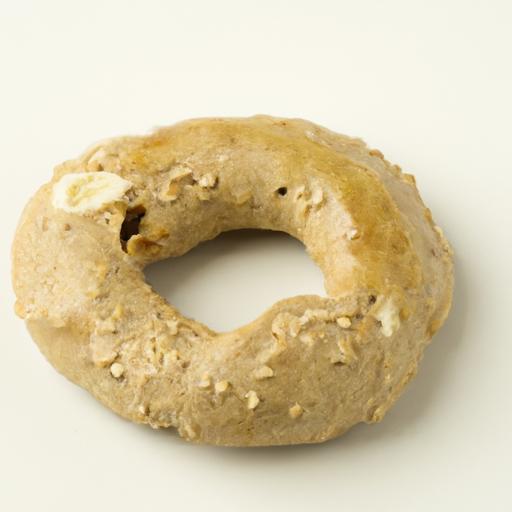

There’s something timeless about the chewy, golden crust of a freshly baked bagel-a beloved breakfast staple that has traveled from bustling city streets to cozy home kitchens around the world. But what if this classic favorite could be reinvented with a wholesome, earthy twist? Enter buckwheat flour bagels: a nutty, nutrient-packed alternative that not only delights the palate but also offers a unique depth of flavor and texture. In this article, we’ll explore how buckwheat flour transforms the traditional bagel into a healthful and flavorful treat, perfect for those seeking something familiar yet refreshingly different.
Buckwheat flour bagels bring an enchanting nutty depth that elevates a beloved classic into a uniquely flavorful experience. this hearty grain flour offers a robust, earthy character that transforms each bite into a symphony of taste and texture, creating a bagel that feels wholesome yet indulgently satisfying. Whether you’re seeking a gluten-free alternative or simply craving a fresh twist on tradition, baking with buckwheat flour invites you to explore a spectrum of rustic aromas and a pleasantly chewy crumb unlike any standard bagel.
Prep and Cook Time
- Preparation: 25 minutes
- Rising Time: 1 hour 30 minutes
- Boiling and Baking: 30 minutes
- Total Time: Approximately 2 hours 25 minutes
yield
Makes 8 medium-sized bagels
Difficulty level
Medium (perfect for bakers ready to explore alternative flours)
Ingredients
- 2 ½ cups buckwheat flour, sifted to ensure lightness
- 1 cup bread flour (for added gluten structure)
- 1 ½ tsp active dry yeast
- 1 tbsp sugar or maple syrup for a subtle sweetness
- 1 tsp salt
- 1 cup warm water (110°F/43°C)
- 1 tbsp olive oil or melted unsalted butter
- 1 tbsp molasses (optional, enhances color and deepens flavor)
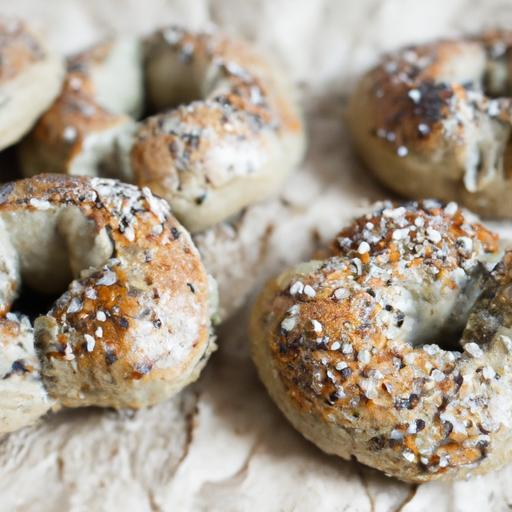
- Seeds for topping: sesame, poppy, sunflower, or everything bagel seasoning
Instructions
- activate the yeast: In a small bowl, combine warm water, sugar, and yeast. Stir gently and let sit for 5-7 minutes until foamy, indicating the yeast is alive and ready.
- Mix dry ingredients: In a large mixing bowl, whisk together buckwheat flour, bread flour, and salt to ensure even distribution.
- Create the dough: Make a well in the dry ingredients. Pour in the activated yeast mixture, olive oil, and molasses if using. Stir with a wooden spoon until the dough begins to come together.
- Knead: Turn the dough onto a lightly floured surface. Knead for 8-10 minutes until smooth but slightly tacky. Buckwheat lacks gluten so expect a softer, stickier dough than regular bagel dough. Use a bit of bread flour for dusting to prevent sticking.
- First rise: Transfer the dough to a lightly oiled bowl. Cover with a damp towel or plastic wrap. Let rise in a warm place for 1 hour or until doubled in size.
- Shape bagels: Punch down the dough gently. Divide into 8 equal portions. Roll each piece into a ball, then poke a hole through the center with your thumb and stretch gently to form traditional bagel rings.
- Pre-boil preparation: Bring a large pot of water to a gentle boil. Add 1 tablespoon sugar to slightly sweeten the water and give bagels a shiny crust.
- Boil bagels: Carefully drop 2-3 bagels at a time into boiling water. Boil for about 1 minute on each side.Remove with a slotted spoon and place on a parchment-lined baking tray.
- Add toppings: While damp from boiling, instantly sprinkle seeds or seasonings on top for vibrant flavor and crunch.
- Bake: Preheat your oven to 425°F (220°C). Bake bagels for 18-22 minutes or until golden brown with a firm crust. Rotate halfway for even baking.
- Cool and enjoy: Let bagels cool on a wire rack for at least 10 minutes before slicing to set the crumb.
tips for Success
- Balancing flours: Buckwheat flour’s gluten-free nature requires blending with a strong flour like bread flour to support rise and chewiness.
- Hydration is key: Buckwheat flour absorbs more water – slightly increase water if dough feels dry or crumbly.
- Boiling time: Do not skip boiling – this step crucially develops the traditional bagel chew and helps set the crust.
- Flavor boost: Adding molasses or honey deepens the crust’s color and complements buckwheat’s natural earthiness.
- Make ahead: Bagels freeze beautifully. Freeze after boiling and before baking, then bake straight from frozen with a few extra minutes added.
Serving Suggestions
Serve these buckwheat flour bagels toasted lightly with creamy herb cream cheese or smashed avocado spread. The nutty backdrop pairs beautifully with tangy smoked salmon, thinly sliced radishes, and fresh dill. For a savory breakfast, layer thick-cut cheddar, caramelized onions, and a drizzle of honey. For a sweet contrast, try almond butter and a drizzle of maple syrup with toasted flaked almonds. Garnish with microgreens or edible flowers for a refined touch perfect for brunch presentations.

| Nutrient | Per Bagel (Approx.) |
|---|---|
| Calories | 220 kcal |
| Protein | 7 g |
| Carbohydrates | 40 g |
| Fat | 3.5 g |
For more enlightening ways to elevate your homemade bagels, check out our artisan bagel guide.Interested in learning more about buckwheat’s health benefits? Visit Healthline’s detailed analysis to discover how this ancient grain packs nutritional power suited for modern diets.
Q&A
Q&A: Buckwheat Flour Bagels – A Nutty Twist on a Classic Favorite
Q1: What makes buckwheat flour bagels different from traditional bagels?
A1: Unlike traditional bagels made primarily with wheat flour, buckwheat flour bagels bring a rich, nutty flavor and a slightly earthier aroma to the table. Buckwheat isn’t actually wheat-its a seed-so these bagels offer a unique twist both in taste and texture, often denser and more wholesome.
Q2: Is buckwheat flour gluten-free, and how does that affect the bagel?
A2: Yes, buckwheat is naturally gluten-free. However, pure buckwheat flour lacks the gluten needed for that classic chewy bagel texture. To compensate, bakers often blend buckwheat flour with wheat or other gluten-containing flours, or use binding agents, balancing the nutty flavor with a traditional chewiness.
Q3: What are some health benefits of using buckwheat flour in bagels?
A3: Buckwheat is packed with antioxidants, fiber, and essential minerals like magnesium and manganese.It supports heart health, aids digestion, and has a lower glycemic index compared to white flour. Incorporating buckwheat flour turns your indulgent bagel into a more nourishing snack or breakfast choice.
Q4: How does the flavor profile change when using buckwheat flour?
A4: Buckwheat lends a warm, earthy, and subtly sweet nuttiness to bagels. This flavor pairs beautifully with both savory toppings-think cream cheese and smoked salmon-and sweeter options like honey butter or fruit preserves. It adds depth and character to every bite.
Q5: Can buckwheat flour bagels be made at home easily?
A5: Absolutely! While the process might require tweaking to get the perfect texture, buckwheat flour bagels are a rewarding baking project. using a blend of buckwheat and wheat flour, or adding vital wheat gluten, ensures the dough holds together well. The traditional boil-and-bake method remains key to that dense, chewy bagel crust.
Q6: Who might especially enjoy buckwheat flour bagels?
A6: Buckwheat flour bagels are perfect for adventurous eaters looking to explore new flavors, those seeking gluten-light alternatives (with blended flours), or anyone wanting to add a nutritious boost to their breakfast routine. Foodies and health-conscious individuals alike will appreciate this nutty take on a beloved classic.Q7: Where can I find buckwheat flour bagels if I don’t want to make them?
A7: Artisanal bakeries and health-focused cafes are increasingly experimenting with buckwheat flour bagels. They may also pop up in farmer’s markets or specialty grocery stores. If you can’t find them locally,ordering online from bakers who specialize in alternative flours is a grate option.
Q8: Any tips for enjoying buckwheat flour bagels?
A8: Toast them lightly to enhance their nutty aroma, then get creative! Spread with tangy cream cheese and smoked salmon for a gourmet delight or try almond butter and banana for a sweet treat. The deep flavor of buckwheat flour pairs wonderfully with bold, contrasting toppings that highlight its unique personality.
The Way Forward
Whether you’re a bagel purist or an adventurous eater, buckwheat flour bagels offer a delightful detour from the familiar. With their earthy, nutty flavor and wholesome texture, these bagels bring a fresh twist to your breakfast table while packing in nutrients that traditional versions might lack. So next time you’re craving that golden, chewy ring of goodness, consider reaching for buckwheat flour – your taste buds and your body will thank you.Embrace this ancient grain’s modern makeover and let your mornings start with a little nutty magic.