
There’s something irresistibly comforting about a classic tart crust—the buttery, flaky foundation that cradles luscious fillings in perfect harmony. But what if you could reinvent this timeless base with a wholesome, nutty flair that elevates both flavor and texture? Enter almond flour tart crust: a delightful twist that transforms traditional pastry into a rich, fragrant canvas bursting with subtle sweetness and tender crumb. Whether you’re aiming to bake gluten-free, add a hint of natural nuttiness, or simply experiment beyond the ordinary, almond flour offers an inviting path to reimagine your favorite tarts. In this article, we’ll explore the secrets behind crafting this deliciously unique crust, unlocking tips and tricks to help you master a nutty, golden foundation that’s as versatile as it is delectable. “`html
Almond Flour Tart Crust: A Nutty Twist on Classic Pastry
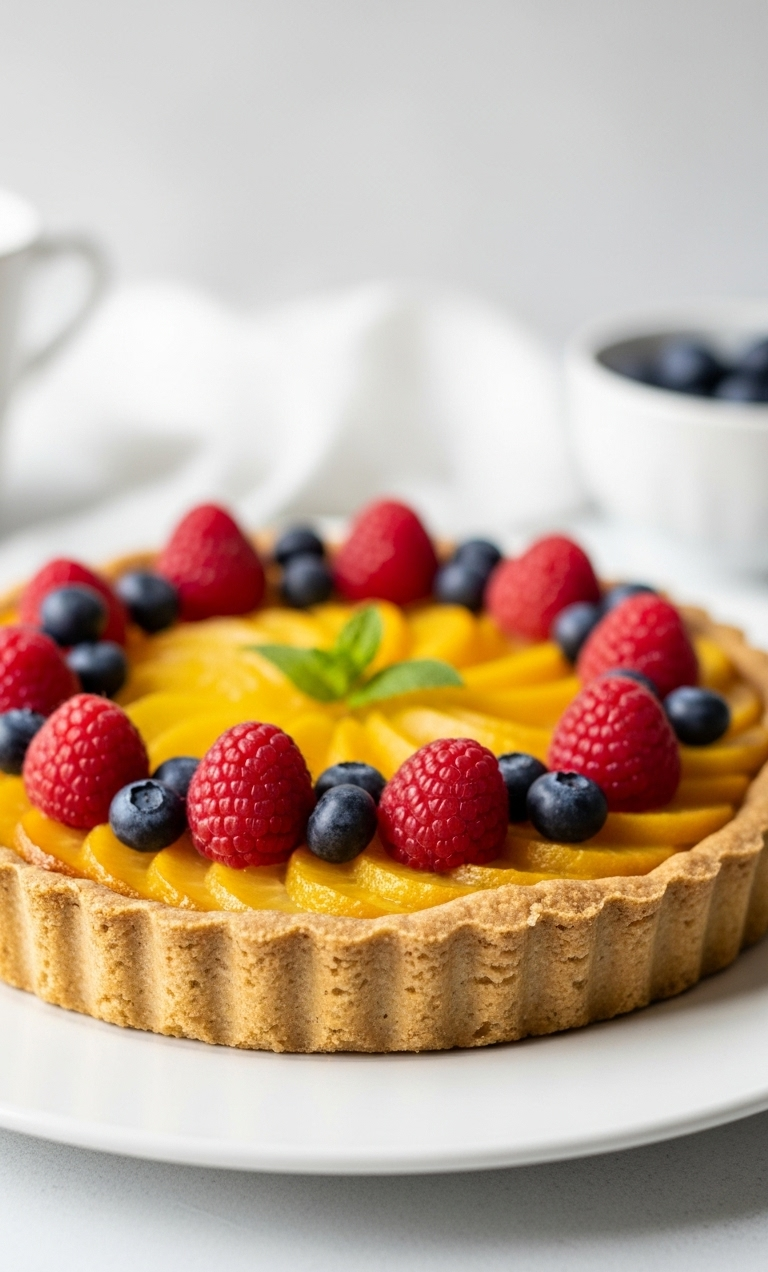
Almond flour tart crust brings a rich, naturally nutty flavor and a delightfully tender texture that transforms any tart into a gourmet experience. This gluten-free alternative not only enhances the depth of flavor but also creates a buttery, crisp base that perfectly complements both sweet and savory fillings. Whether you’re a seasoned baker or a curious home cook, mastering this crust will elevate your tart game by marrying aroma, taste, and texture in every bite.
Prep and Cook Time
- Preparation: 20 minutes
- Chilling Time: 30 minutes
- Baking Time: 15-20 minutes
- Total Time: 65-70 minutes
Yield
One 9-inch tart crust, serving 8 slices
Difficulty Level
Medium – a great project for enthusiastic bakers willing to experiment and perfect their technique
Ingredients
- 1 ½ cups almond flour (finely ground for a smoother crust)
- ¼ cup coconut flour (absorbs moisture and adds structure)
- 2 tablespoons granulated sugar (optional for sweet tarts)
- ¼ teaspoon fine sea salt
- 1 large egg (for binding the dough)
- 3 tablespoons cold unsalted butter, cut into small cubes
- 1 teaspoon pure vanilla extract (for flavor enhancement)
Instructions
- Combine dry ingredients: In a medium bowl, whisk together almond flour, coconut flour, sugar, and sea salt until evenly mixed.
- Cut in butter: Add the cold butter cubes to the dry mixture. Use a pastry cutter or your fingertips to mix until the texture resembles coarse crumbs, with pea-sized pieces of butter scattered throughout.
- Blend wet ingredients: In a separate small bowl, lightly beat the egg and vanilla extract. Pour this into the dry mixture.
- Bring the dough together: Gently fold and press the mixture with your hands or a spatula until it starts to clump. If the dough feels too crumbly, add a teaspoon of cold water at a time, just until it holds together without being sticky.
- Shape and chill: Form the dough into a flat disc, wrap in plastic wrap, and refrigerate for 30 minutes to relax the ingredients and ease rolling out.
- Roll out the dough: Place the chilled dough between two sheets of parchment paper and roll to about ¼-inch thickness. Carefully transfer to a 9-inch tart pan, pressing gently into edges. Trim excess dough.
- Blind bake: Prick the bottom all over with a fork to prevent puffing. Line with parchment and fill with pie weights or dried beans. Bake at 350°F (175°C) for 12 minutes. Remove weights and parchment, then bake an additional 5-8 minutes, or until the edges turn golden brown but not too dark.
Tips for Success When Handling Almond Flour Tart Dough
- Use chilled butter and egg to keep the dough firm and easy to handle.
- Work quickly but gently—almond flour dough can soften quickly from warm hands.
- Don’t skip chilling; it helps the fats solidify and reduces shrinkage during baking.
- Roll between parchment to avoid adding excess flour, which can dry the dough.
- If cracking occurs, gently press dough back and patch with a little extra almond flour mixture.
Baking Techniques to Achieve Golden Crispness Without Overbaking
- Blind baking: This prevents soggy bottoms by pre-cooking the crust before adding wet fillings.
- Watch closely: Almond flour bakes faster than wheat flour; golden edges signal perfection.
- Rotate the pan: Mid bake to ensure even browning.
- Cool properly: Let crust cool in pan It looks like your last list item under “Baking Techniques to Achieve Golden Crispness Without Overbaking” got cut off. Here’s a suggestion to complete that last tip and the rest of the section:
Baking Techniques to Achieve Golden Crispness Without Overbaking
-
- Blind baking: This prevents soggy bottoms by pre-cooking the crust before adding wet fillings.
-
- Watch closely: Almond flour bakes faster than wheat flour; golden edges signal perfection.
-
- Rotate the pan: Mid bake to ensure even browning.
-
- Cool properly: Let the crust cool in the pan on a wire rack to set completely before filling. This helps maintain crispness and prevents moisture buildup.
Would you like me to help with anything else related to your almond flour tart crust recipe?
Q&A
Q&A: Almond Flour Tart Crust — A Nutty Twist on Classic Pastry
Q1: What makes almond flour tart crust different from a traditional pastry crust?
A: Unlike classic crusts made primarily from wheat flour, almond flour tart crusts bring a delightfully nutty flavor and a tender, crumbly texture to the table. They’re naturally gluten-free and add a rich, buttery depth without needing as much butter or shortening.Q2: How does using almond flour affect the texture of the tart crust?
A: Almond flour creates a crust that’s slightly denser yet irresistibly moist and crumbly. Instead of the flaky layers you get from all-purpose flour, you get a melt-in-your-mouth nutty base that perfectly complements both sweet and savory fillings.Q3: Is almond flour tart crust suitable for people with gluten sensitivities?
A: Absolutely! Almond flour is naturally gluten-free, making this tart crust an excellent alternative for those with gluten intolerance or celiac disease. Just be sure all other ingredients you use are also gluten-free.Q4: Can I replace wheat flour completely with almond flour in my tart recipe?
A: Yes, but with a caveat: almond flour behaves differently than wheat flour since it lacks gluten. Many recipes require adjustments like adding a binder (egg or flax egg) or modifying the fat content to achieve the right consistency and structure.Q5: What are some tips for making the perfect almond flour tart crust?
A: Keep your almond flour fresh to avoid a bitter taste, chill your dough before baking to prevent spreading, and don’t overwork it to maintain tenderness. Also, blind baking the crust helps prevent sogginess, especially for juicy fillings.Q6: How does the flavor profile of an almond flour crust enhance the overall tart?
A: The natural nutty sweetness of almond flour adds an extra layer of flavor that substitutes for extra sugar or butter. It pairs beautifully with fruits like berries, stone fruits, and chocolate, elevating your tart from simple to sophisticated.Q7: Is almond flour tart crust more nutritious than traditional crust?
A: Indeed, almond flour is rich in healthy fats, protein, fiber, vitamins, and minerals, contributing to a more nutrient-dense crust. It’s a smarter swap that doesn’t sacrifice taste while offering added health benefits.Q8: Can I use almond flour tart crust for savory tarts as well?
A: Definitely! Its subtle nuttiness complements ingredients like caramelized onions, goat cheese, roasted vegetables, or herbs, offering a unique and tasty foundation for savory creations.Q9: Where can I buy good-quality almond flour for tart crusts?
A: Many grocery stores carry almond flour in their baking or health food aisles, but for the freshest and finest grind, specialty stores or online retailers are great options. Opt for blanched almond flour for a lighter color and finer texture.Q10: How should I store almond flour tart crust dough if I’m not baking immediately?
A: Wrap the dough tightly in plastic wrap and refrigerate it for up to 2 days. For longer storage, freeze the dough for up to a month. Thaw in the fridge overnight before rolling out.
Almond flour tart crust offers a luscious alternative to classic pastry—bringing heartiness, flavor, and nutritional perks to your favorite tarts. Ready to nut up your baking game? This crust is your new secret weapon!
To Conclude
Whether you’re a seasoned baker or a curious kitchen experimenter, almond flour tart crust offers a delightful departure from traditional pastry. Its rich, nutty flavor and tender crumb not only elevate your tarts but also bring a nourishing twist to every bite. Embracing this gluten-free alternative opens the door to endless creative possibilities, from fresh fruit tarts to decadent chocolate ganaches. So next time you reach for your rolling pin, consider letting almond flour take center stage—your taste buds (and your guests) will thank you for the deliciously unexpected journey.
-