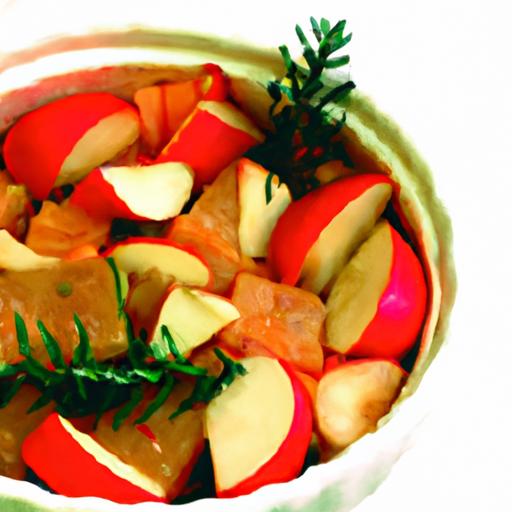

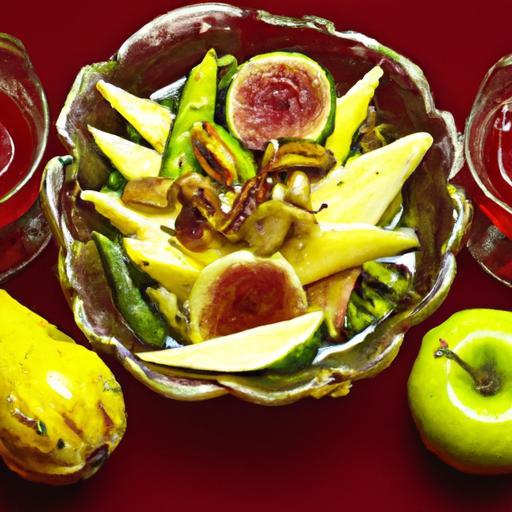
In the vibrant tapestry of Persian cuisine,where ancient traditions meet harmonious layers of taste,certain dishes stand out as beloved treasures. Among these, the Quinces and Pomegranate Stew, or “Khoresh-e Beh o Anar,” captures the imagination wiht its extraordinary blend of sweet, tangy, and savory notes. this delightful stew, rich in history and flavor, invites diners on a sensory journey through the orchards and bazaars of Iran, where fragrant spices mingle with seasonal fruits too create a dish both comforting and exotic. Join us as we savor the rich heritage and intricate flavors of this Persian culinary gem, uncovering the stories and secrets behind every luscious bite.
Savoring Persian Flavors, the Quince & Pomegranate Stew Delight is a culinary journey that unites warmth, tang, and tradition in a single pot. This iconic Persian dish, known as “Khoresh Beh Anar,” captures the essence of Iran’s rich culinary heritage by combining the subtly fragrant quince with the vibrant tartness of pomegranate molasses. First introduced to me during a family gathering, this stew’s harmonious layering of sweet, sour, and savory notes embodies the heart of Persian hospitality, evoking memories of cozy winter evenings and sharing stories over fragrant rice.
Prep and Cook Time
- Preparation: 20 minutes
- cooking: 1 hour 15 minutes
- Total Time: 1 hour 35 minutes
Yield
- Serves 6 as a main dish
Difficulty Level
- Medium – Perfect for adventurous home cooks ready to explore Persian flavors
key Ingredients That Bring Authentic Persian Flavors to Life
- 2 large quinces, peeled, cored, and sliced into wedges
- 1 lb (450g) beef or lamb stew meat, cut into 1-inch cubes
- 1 large yellow onion, finely chopped
- 3 cloves garlic, minced
- 1/4 cup pomegranate molasses – the backbone of the stew’s signature tang
- 1 cup fresh or frozen pomegranate seeds for added texture and burst of flavor
- 2 tbsp vegetable oil or ghee for sautéing
- 2 cups beef or vegetable broth to build depth
- 1 tsp turmeric, ground
- 1/2 tsp ground cinnamon – a fragrant touch echoing Persian spice markets
- Salt and freshly ground black pepper to taste
- Fresh parsley or cilantro for garnish
- Optional: 1 tbsp sugar or honey, if you prefer a slightly sweeter stew
Step-by-Step Guide to Mastering the Perfect Quince and Pomegranate Stew
- Prepare the quinces: peel, core, and slice quinces into wedges. To prevent browning, place them in water with a splash of lemon juice while you prepare other ingredients.
- Sear the meat: Heat 1 tbsp of oil in a heavy-bottomed pot over medium-high heat. Add meat cubes in batches to avoid overcrowding. Brown on all sides, about 5 minutes per batch. Remove and set aside.
- Sauté the aromatics: Lower heat to medium, add remaining oil, then sauté the chopped onion until translucent and golden-about 6-8 minutes.Stir occasionally to avoid burning. Add garlic and spices (turmeric and cinnamon), and cook for another 1-2 minutes until fragrant.
- Deglaze and simmer: Return browned meat to the pot. Pour in broth, scraping up any browned bits stuck to the bottom. Bring to a gentle boil, then reduce to a simmer. Cover and cook for 45 minutes, until the meat begins to soften.
- Add quinces and pomegranate molasses: Drain quinces and gently fold into the stew.Stir in pomegranate molasses and season with salt and pepper. Simmer uncovered for 30 minutes,allowing quinces to soften and flavors to meld.
- Final flavor adjustment: Taste for balance. Add sugar or honey if the stew feels too tart. Stir in fresh pomegranate seeds for a refreshing pop just before serving.
- Garnish and serve: Sprinkle chopped parsley or cilantro over the stew to brighten the dish and offer an herbal contrast. Serve hot alongside Persian saffron rice or warm flatbread.
Tips for Success
- Choosing quinces: Look for quinces that are firm with a pale yellow color and fragrant aroma. Avoid bruised or overly soft fruit.
- Meat variations: Lamb shoulder or beef chuck roast work beautifully due to their rich fat content, which tenderizes during slow cooking.
- Vegetarian version: Substitute meat with hearty mushrooms or eggplant and use vegetable broth for a rich, plant-based adaptation.
- Make-ahead tip: The flavors deepen beautifully overnight; store covered in the fridge and gently reheat before serving.
- Adjusting sourness: Pomegranate molasses intensity varies by brand-add gradually to avoid overwhelming tartness.
Serving Suggestions and Pairings to Elevate Your Persian Culinary Experience
Serve this exquisite stew over fluffy saffron rice,which perfectly complements the stew’s tart-sweet palette. Alternatively, warm a basket of freshly baked flatbreads like lavash or sangak to soak up the luscious sauce. Pair the meal with a simple Persian salad of cucumber, tomato, and mint dressed with lemon juice for a refreshing contrast. A light glass of chilled white wine or a traditional Persian sharbat flavored with rosewater will elevate the dining experience further.

| Nutrient | Per Serving |
|---|---|
| Calories | 350 kcal |
| Protein | 28 g |
| Carbohydrates | 22 g |
| Fat | 12 g |
For further insight into Persian cooking techniques, explore this complete guide on Persian cuisine from Britannica.
Q&A
Q&A: Savoring Persian Flavors – Quince & Pomegranate Stew Delight
Q1: What makes quince and pomegranate stew such a beloved dish in Persian cuisine?
A1: Quince and pomegranate stew, known as Khoresht Beh Anâr, is a harmonious marriage of tart and sweet flavors that perfectly captures the Persian culinary philosophy-balancing flavors and textures. The tender quince lends a subtle floral sweetness, while the pomegranate adds a vibrant tang and jewel-like seeds that burst with juicy freshness. Together, they create a stew that’s both hearty and refreshingly nuanced, embodying the essence of Persian hospitality and heritage.
Q2: How is this stew typically prepared,and what are its key ingredients?
A2: At its core,quince and pomegranate stew features tender chunks of meat-usually lamb or beef-simmered slowly with aromatic onions,turmeric,and saffron-soaked broth. The star ingredients, quince and pomegranate molasses or juice, are added mid-cooking to infuse the stew with their unique flavors. The quince softens to a custardy texture, while the pomegranate brings a lively tartness. Garnishing with fresh pomegranate arils and a sprinkle of chopped parsley or mint adds a burst of color and brightness to the final dish.
Q3: What cultural significance does this dish hold in Persia?
A3: this stew is a party of the pomegranate and quince’s storied presence in Persian culture. Both fruits are symbols of fertility, abundance, and the cycles of nature-revered in poetry, art, and festive traditions.Serving Khoresht Beh Anâr is more than a meal; it’s a culinary homage to Persian history and the bountiful seasons, often gracing tables during autumn and special family gatherings as a symbol of warmth and togetherness.
Q4: Can this dish be adapted for modern or dietary preferences?
A4: Absolutely! while the traditional version calls for lamb, many home cooks adapt the recipe for poultry, beef, or even plant-based proteins like seitan or mushrooms, maintaining the stew’s rich flavors while accommodating dietary needs. For a lighter version, slow-cooked quince and pomegranate can be paired with quinoa or couscous for a vibrant vegetarian entrée. The key is preserving the balance between the fruit’s sweetness and the stew’s savory depth.
Q5: What wine or beverage pairs well with this stew?
A5: A dish bursting with bright, fruity notes and hearty spices pairs beautifully with a medium-bodied red wine like a Grenache or a Barbera, which complements the lamb and counters the pomegranate’s tartness. For a non-alcoholic option, try a chilled Persian rosewater lemonade or a warm saffron tea, both of which echo the fragrant, floral qualities of the stew, rounding out the sensory experience.
Q6: Why shoudl food lovers try making or tasting this stew?
A6: Quince and pomegranate stew offers more than a meal-it’s a journey through Persian history,culture,and the art of flavor layering. It invites food lovers to explore unfamiliar ingredients, awaken the palate, and share in a dish that’s steeped in warmth, tradition, and a touch of exotic magic. One spoonful delivers a story,a celebration of seasons,and a taste that lingers long after the last bite.
Final Thoughts
As the rich aroma of quince and pomegranate lingers in your kitchen, this stew invites more than just a meal-it offers a journey into the heart of Persian culinary tradition.Balancing sweet, tart, and savory notes, each spoonful tells a story of ancient flavors lovingly preserved through generations. Whether your a seasoned cook or a curious foodie, savoring this vibrant dish is a delicious way to connect with the warmth and complexity of Persia’s gastronomic heritage. So next time you seek a meal that delights both palate and soul, remember the humble yet extraordinary quince and pomegranate stew-a true testament to the art of flavor.