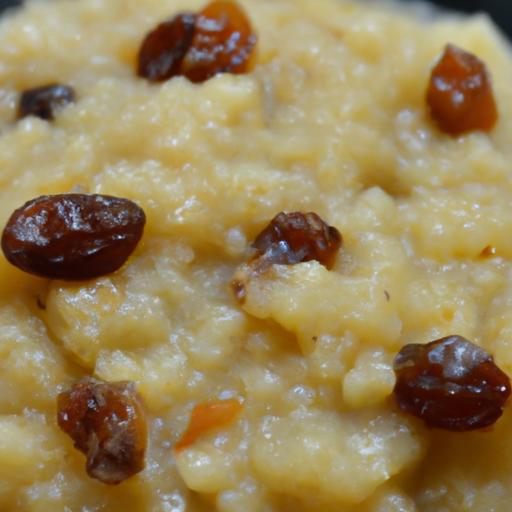

In the sun-kissed landscapes of Senegal, where vibrant cultures and rich traditions intertwine, lies a culinary treasure that’s as comforting as it is celebrated: Thiakry. This sweet millet porridge,with its creamy texture and delicate fusion of flavors,offers a delightful glimpse into west African gastronomy. More than just a dessert, Thiakry is a story spooned from generations past-an inviting blend of millet grains, fermented milk, and a whisper of spices, crafted to satisfy both the palate and the soul. Join us as we uncover the origins, ingredients, and cultural significance of this beloved Senegalese treat, and discover why Thiakry continues to enchant food lovers around the world.
Thiakry, a cherished staple in Senegalese cuisine, embodies the sweet, comforting spirit of west African culinary traditions. This delightful millet porridge dancefully blends nutty fermented grains with creamy dairy and aromatic spices, making it a refreshing dessert and a soulful snack alike. My first encounter with thiakry was during a vibrant family gathering in Dakar, where its velvety texture and the subtle zing of ginger created an unforgettable sensory experience. Whether served at festive celebrations or enjoyed on a quiet afternoon, thiakry invites you to explore the rich heritage and joyous flavors of Senegal through every spoonful.
Prep and Cook Time
- Prep Time: 15 minutes
- Cook Time: 10 minutes
- Chilling Time: At least 1 hour (recommended)
Yield
- Makes approximately 4 servings
Difficulty Level
- Easy – perfect for cooks of all levels
Ingredients
- 1 cup pearl millet (lightly toasted or raw)
- 2 cups whole milk (or coconut milk for a dairy-free twist)
- 1 cup plain yogurt (preferably whole milk yogurt)
- 1/3 cup granulated sugar (adjust to taste)
- 1 teaspoon pure vanilla extract
- 1/2 teaspoon ground nutmeg
- 1/2 teaspoon finely grated fresh ginger (optional but authentic)
- 2 tablespoons raisins (soaked in warm water for softness)
- Pinch of salt
Instructions
- Toast the millet: In a dry skillet over medium heat, toast 1 cup pearl millet for about 5 minutes until fragrant and lightly golden, stirring constantly to prevent burning. This step intensifies the nutty flavor crucial to authentic thiakry.
- Cook the millet: Transfer toasted millet to a pot and cover with 2 cups whole milk.Add a pinch of salt. Bring to a gentle boil,then reduce heat to low and simmer,covered,for 10 minutes or until millet is tender and milk mostly absorbed. Stir occasionally to avoid sticking.
- Cool the millet: Remove millet from heat and let it cool to room temperature.This prevents yogurt from curdling in the next step.
- Prepare the creamy base: In a large bowl, whisk together 1 cup plain yogurt, 1/3 cup granulated sugar, 1 teaspoon vanilla extract, 1/2 teaspoon ground nutmeg, and 1/2 teaspoon grated ginger.
- Combine: Fold the cooled millet into the yogurt mixture. Gently stir in the softened raisins. The raisins add pops of sweetness and textural delight.
- Chill: Refrigerate thiakry for at least 1 hour – overnight is ideal to deepen flavors and develop the silky consistency.
- Serve: Stir before serving. Thiakry is best enjoyed cold or at room temperature.
Chef’s Notes and Tips for success
- Millet type matters: Pearl millet works best as it softens easily; you can also experiment with fonio grain for a different texture.
- Sweetness level: Adjust sugar to your preference or swap it with honey or maple syrup for natural sweetness.
- Yogurt substitute: For a vegan version, use coconut or almond yogurt and replace milk with coconut milk.
- Fermentation: Traditionally, the millet can be soaked and fermented overnight to introduce a subtle tang, enhancing depth of flavor.
- Make ahead: Thiakry tastes even better the next day after chilling as flavors meld beautifully.
- Texture tweak: For a smoother porridge, pulse cooked millet briefly in a food processor before mixing with yogurt.
Flavor Variations and Topping Ideas to Elevate Your Thiakry Experience
- Sprinkle toasted coconut flakes or crushed peanuts for a crunchy contrast.
- Add freshly diced tropical fruits like mango, pineapple, or banana for vibrant bursts of sweetness.
- Mix in a tablespoon of rose water or orange blossom water to awaken delicate floral notes.
- Top with a drizzle of spicy honey infused with chili flakes for an unexpected kick.
- Include chopped dates or figs for added natural sweetness and chewiness.
Serving Suggestions and Tips for Enjoying Thiakry Anytime
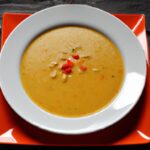
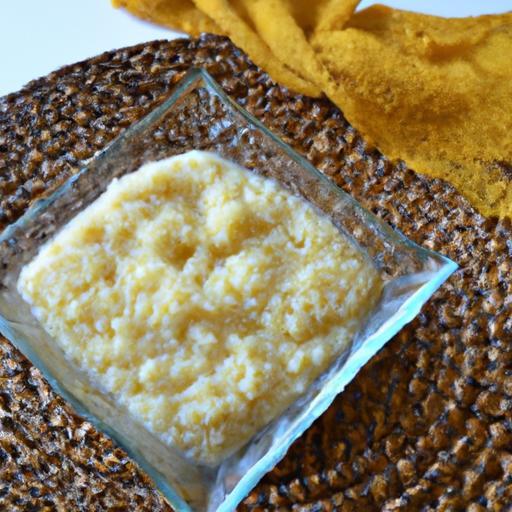
Thiakry’s versatility allows it to shine as a festive dessert, a chilled afternoon snack, or a light breakfast. Serve it elegantly in clear glass bowls or small mason jars layered with fruit for a stunning presentation that highlights its creamy texture and colorful toppings.Pair with refreshing mint tea or a cold hibiscus drink (bissap) to complement the millet’s earthiness. Don’t be shy with garnishes – vibrant edible flowers or a cinnamon stick can transform simple bowls into a feast for the eyes and palate.
| Nutrient | Per Serving |
|---|---|
| Calories | 220 |
| Protein | 7g |
| Carbohydrates | 38g |
| Fat | 4g |

For more delightful West African recipes that celebrate timeless flavors and vibrant culture, check out our Senegalese Food Classics collection. Learn about the rich history of millet and its nutritional benefits at The World’s Healthiest Foods.
Q&A
Q&A: Thiakry – Discover Senegal’s Sweet Millet Porridge Delight
Q1: What exactly is Thiakry?
A1: Thiakry (pronounced “chee-ah-kree”) is a luscious, sweet millet porridge that originates from Senegal in West Africa. It’s a creamy, grainy dessert crafted by soaking and fermenting millet grains, then blending them with rich, velvety yogurt or buttermilk, and sweetening with sugar or honey. Often adorned with tropical fruits and nuts, Thiakry is both a comfort food and a celebratory treat.
Q2: Why is Thiakry special in Senegalese culture?
A2: Thiakry isn’t just a delicious dessert; it’s a symbol of hospitality and tradition. It’s commonly served during festive occasions, family gatherings, and communal celebrations. The dish embodies simplicity and resourcefulness, showcasing how humble millet-one of Africa’s oldest grains-can be transformed into a sweet delight that brings people together.
Q3: What ingredients give Thiakry its unique flavor and texture?
A3: The star ingredient is pearl millet, which provides a slightly nutty taste and a pleasantly chewy texture. When soaked and fermented,the millet becomes soft and tangy.Combined with creamy yogurt or buttermilk, sweet sugar or honey, and perfumed with spices like vanilla or nutmeg, Thiakry strikes a perfect balance between refreshing and indulgent. Often, additions like dried fruit, fresh mango, or toasted peanuts add layers of flavor and crunch.
Q4: How is Thiakry traditionally prepared?
A4: Traditionally, pearl millet is soaked overnight to soften. It might be lightly cooked or steamed, then mixed with fermented milk (known as “lait caillé”) or plain yogurt, sugar, and sometimes coconut milk. The mixture is chilled for hours, allowing the flavors to meld and the texture to thicken. it’s garnished decoratively before serving-frequently enough chilled, making it a refreshing treat in Senegal’s warm climate.
Q5: Can Thiakry be adapted for modern or international kitchens?
A5: Absolutely! If millet is hard to find, some people use couscous or even fine semolina. Rather of customary fermented milk, you can use Greek yogurt or kefir for tang and creaminess. Sweeteners can vary-maple syrup, agave, or brown sugar work nicely. For toppings, think fresh berries, toasted coconut flakes, or chopped nuts. Thiakry’s versatility makes it easy to experiment with, while still honoring its senegalese roots.
Q6: What benefits does millet offer beyond its flavor?
A6: Millet is a powerhouse grain-gluten-free, rich in fiber, magnesium, and antioxidants. It supports digestion, helps regulate blood sugar levels, and fuels sustained energy. Eating millet in a sweet dish like Thiakry demonstrates how traditional foods can be both delicious and nutritiously sound.Q7: How can someone new to Senegalese cuisine enjoy Thiakry?
A7: Start by imagining a chilled, creamy dessert that’s not too sweet, with a subtly nutty undertone and an enjoyable grainy bite. For a true taste of Senegal, serve Thiakry alongside fresh tropical fruits like mango or pineapple, and share it with friends or family. It’s a gentle introduction to Senegal’s rich culinary heritage-comforting,refreshing,and full of stories.
experience thiakry, and you’ll taste a spoonful of Senegal’s soul: simple ingredients transformed by tradition, culture, and a touch of sweetness.
To Wrap It Up
As the sun sets over the vibrant streets of Senegal, Thiakry offers a sweet, creamy embrace that tells a story of tradition, culture, and comfort in every spoonful. This humble millet porridge, enriched with the warmth of spices and the richness of fermented milk, is more than just a dessert-it’s a delicious gateway into Senegalese heritage. Whether you’re seeking a new flavor adventure or a wholesome treat rooted in history,Thiakry invites you to savor a taste that’s both timeless and uniquely joyful. So next time you crave something sweet with a twist, let Thiakry transport your palate to the heart of West Africa’s culinary tapestry.