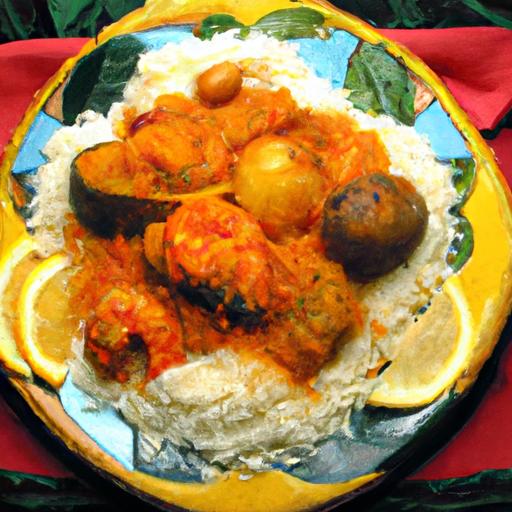

In the vibrant tapestry of West African cuisine, few dishes shine as brightly as Senegal’s beloved Thieboudienne. Often hailed as the ultimate fish and rice delight, this iconic meal is much more than a combination of ingredients-it’s a party of culture, history, and community.Rooted in the coastal bounty of Senegal, Thieboudienne marries tender, flavorful fish with savory, spiced rice and a colorful array of vegetables, creating a symphony of tastes that dance on the palate. Journey with us as we explore the origins, preparation, and enduring magic of this culinary treasure that continues to captivate food lovers around the world.
Origins and Cultural Significance of Senegalese Thieboudienne
Senegalese Thieboudienne is more than just a dish; it is a culinary emblem steeped in history and cultural pride.Originating from the coastal regions of Senegal, this iconic fish and rice delight captures the heart of West African cooking traditions. The name “Thieboudienne” translates to “rice with fish” in Wolof, the predominant language of Senegal, symbolizing a communal meal that brings families and friends together.
Traditionally prepared using fresh, locally caught fish, this dish reflects Senegal’s rich seafood heritage and the harmonious blend of flavors carried through centuries by traders and indigenous cooks.Sharing Thieboudienne is a ritual of warmth and connection, often served during celebrations, gatherings, and Sunday family meals. The vibrant medley of aromatic vegetables and spices showcases the depth of Senegalese gastronomy, making it a dish that teaches us about culture, community, and the joy of sharing food.
Key Ingredients That Define Its Unique Flavor Profile
At the heart of the Senegalese Thieboudienne lies a harmonious balance of fresh and bold ingredients that create an unforgettable flavor profile:
- Fresh fish: Typically firm white fish such as grouper or snapper, which stands up well to slow cooking.
- Broken rice: The conventional rice choice, prized for its texture that absorbs rich tomato and vegetable essences.
- Tomatoes and tomato paste: Offering a deeply savory, slightly sweet base that defines the sauce’s character.
- Smoked fish or seafood stock: Often added to enhance umami depth without overpowering.
- Vegetables: Carrots, eggplants, cassava, and cabbage are staples, each contributing to the hearty texture and earthy sweetness.
- Spices: Bay leaves, scotch bonnet peppers, thyme, and mustard seeds create warm layers of heat and aroma.
- Herbs and aromatics: Fresh parsley, garlic, and onions round out the flavor palette with vibrant freshness.
Prep and Cook Time
- Preparation: 30 minutes
- Cooking: 1 hour 15 minutes
- Total: 1 hour 45 minutes
Yield
Serves 6 hearty portions – perfect for sharing and savoring with loved ones.
Difficulty Level
Medium – Requires attention to layering flavors and managing cooking times for both fish and rice.
Ingredients
- 2 lbs firm white fish fillets (grouper, snapper, or tilapia), cut into large pieces
- 2 cups broken jasmine or long-grain rice, rinsed
- 4 large tomatoes, crushed or pureed
- 2 tbsp tomato paste
- 1 large onion, finely chopped
- 3 cloves garlic, minced
- 2 medium carrots, peeled and cut into chunks
- 1 small eggplant, chopped into bite-sized pieces
- 1 cup cassava, peeled and cubed (optional)
- 1 cup cabbage, cut into wedges
- 2 Scotch bonnet peppers, whole (for heat, optional)
- 2 bay leaves
- 1 tsp dried thyme
- 1 tsp mustard seeds
- 4 cups fish or seafood stock (or water with smoked fish flakes)
- Salt and freshly ground black pepper, to taste
- 3 tbsp vegetable oil (peanut or sunflower oil recommended)
- Fresh parsley or cilantro, for garnish
Step-by-Step Guide to Mastering the classic Preparation
- Prepare the fish: Pat the fish pieces dry and season with salt and black pepper. Set aside while you prepare the sauce and vegetables.
- Make the base sauce: Heat the vegetable oil in a large heavy-bottom pot over medium heat. Sauté the onions and garlic until translucent and fragrant, about 5 minutes.
- Add tomatoes: Stir in the crushed tomatoes and tomato paste. Let simmer gently for 10 minutes, stirring occasionally, until the mixture thickens and darkens.
- Add spices and aromatics: stir in bay leaves, thyme, mustard seeds, and whole Scotch bonnet peppers. Let infuse for 5 minutes.
- Introduce the vegetables: Add the carrots, eggplant, cassava, and cabbage. Mix well to coat with sauce.
- Pour in stock: Add fish or seafood stock, bringing the pot to a gentle boil. Reduce heat and simmer until the vegetables are tender but not mushy - about 20 minutes.
- Cook the rice: Carefully add the rinsed broken rice to the pot, spreading it evenly over the sauce and vegetables. Do not stir. Cover and cook on low heat until the rice absorbs all the liquid and is tender, 25-30 minutes.
- Steam the fish: In a separate skillet, lightly fry the seasoned fish in a bit of oil until golden and cooked through, about 5-7 minutes per side depending on thickness. Alternatively, gently place fish on top of the rice during the last 10 minutes of cooking in the pot to steam.
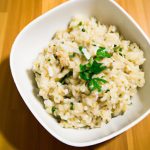
- Assemble the dish: Once the rice is cooked,gently fluff and spoon it onto a large serving platter. arrange fish pieces and vegetables on and around the rice.
- Garnish and serve: Sprinkle chopped fresh parsley or cilantro over the top and serve promptly, encouraging diners to mix the components on their plates.
Expert Tips for Pairing and Serving Thieboudienne Like a Local
- Use fresh, firm fish: This ensures the fish holds its shape and remains tender after cooking.Senegalese markets often favor local catches like grouper, enhancing authenticity.
- Stick to broken rice or jasmine: Broken rice grains absorb the rich sauce more effectively, soaking in every bit of flavor.
- Control the heat: Scotch bonnet peppers add character and spice but cook whole to avoid overwhelming the dish with heat. Remove before serving or let guests add sliced peppers to taste.
- Serve with a side of bissap (hibiscus tea): This refreshing drink cuts through the richness and balances the meal beautifully.
- Garnish creatively: adding thin slices of lemon, extra fresh herbs, or even a drizzle of flavored oil can elevate presentation and flavor.
- Make it communal: traditionally served on a large platter to share, encourage diners to eat with their hands for an authentic experience.
Serving Suggestions
present Thieboudienne on a generously sized platter lined with banana leaves or large lettuce leaves for a rustic touch. Place fish pieces evenly, surrounded by vibrant, colorful vegetables and fluffy rice. accompany the dish with small bowls of hot pepper sauce (sakha-sakha) and sliced fresh lime. Pair with chilled bissap or ginger juice to round out the meal.
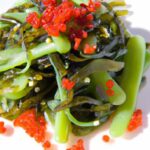
The richness of the tomato base and freshness of the fish make this dish ideal alongside a simple green salad or steamed greens tossed with a pinch of sea salt and a splash of lemon juice.
| Nutrient | Per Serving |
|---|---|
| Calories | 520 kcal |
| Protein | 38 g |
| Carbohydrates | 50 g |
| Fat | 14 g |

For more appetizing West African cooking inspirations, explore our West African Cuisine Collection. To deepen your understanding of Senegal’s gastronomic heritage, visit Britannica’s overview of Senegalese cuisine.
Q&A
Q&A: Senegalese Thieboudienne – The Ultimate Fish & Rice Delight
Q: What is Thieboudienne, and why is it so special?
A: Thieboudienne (pronounced cheb-u-jen) is senegal’s beloved national dish, often hailed as the ultimate comfort food of west Africa. At its heart lies a perfect harmony of fish, rice, and richly seasoned vegetables. What makes it special isn’t just its delicious taste but the cultural story it tells-a communal meal that brings families together, honoring centuries of culinary tradition.
Q: What are the main ingredients in a classic Thieboudienne?
A: The stars of Thieboudienne are fresh fish (commonly grouper or snapper), broken rice (a coarser variety that soaks up flavors beautifully), and a vibrant medley of vegetables like cassava, carrots, eggplant, and cabbage. The magic comes alive through a rich tomato-based sauce infused with garlic, onions, and a fragrant blend called “soupe kandja” or fish stock, sometimes enhanced with smoked fish or spices like black pepper and Scotch bonnet peppers.
Q: How is Thieboudienne traditionally prepared?
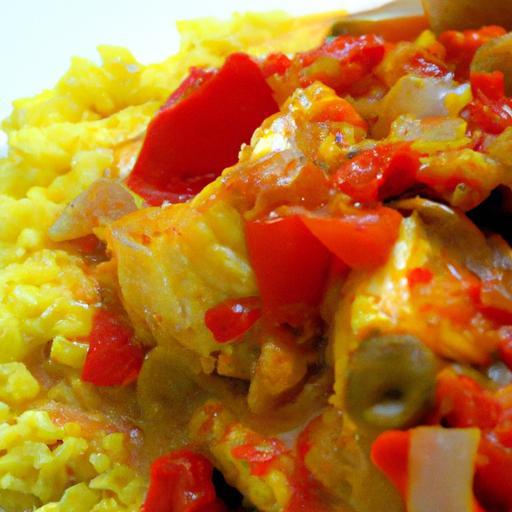
A: Traditionally, the fish is marinated with herbs and spices, then gently stewed in a tomato and vegetable sauce until tender and flavorful. Simultaneously occurring, the rice cooks in the sauce’s fragrant broth, absorbing every bit of flavor. The result is a vibrant plate where the rice is richly tinted orange from the tomato sauce, crowned with colorful vegetables and succulent fish pieces-a feast for both the eyes and the palate.
Q: Are there regional variations of Thieboudienne?
A: absolutely! While the core essence stays the same, different Senegalese regions add their own twists. Some may incorporate smoked fish or shellfish; others might use different vegetables depending on seasonal availability. Some cooks use palm oil for a deeper flavor, while others stick to vegetable oil for a lighter finish.These variations keep the dish dynamic and reflective of Senegal’s diverse culinary landscape.
Q: Why is Thieboudienne called the “ultimate fish & rice delight”?
A: It’s a dish where every element sings-flaky fish, flavorful rice, and a bouquet of vegetables all cooked in a deeply savory tomato broth.The layers of flavor,coupled with a heartwarming cultural legacy,turn a simple meal into a celebration of Senegalese heritage. For many, it’s the ultimate comfort food that brings together taste, tradition, and togetherness.
Q: Can I recreate Thieboudienne at home if I’m not in Senegal?
A: Definitely! While some ingredients like authentic broken rice or specific local spices might be a challenge, you can use substitutes-long-grain rice for broken rice and regular fresh fish from your local market. The key is in the slow-simmered tomato sauce and the balance of spices. Cooking Thieboudienne at home invites you to explore rich West african flavors and brings a splash of Senegalese sunshine to your dining table.
Q: what drinks pair well with Thieboudienne?
A: Freshly brewed bissap (hibiscus tea), light Senegalese palm wine, or a crisp white wine like Sauvignon Blanc complement the dish beautifully. The acidity and slight sweetness of these drinks balance the hearty, savory flavors of the fish and rice, enhancing the overall dining experience.
Q: Is Thieboudienne just a dish, or does it have a cultural significance?
A: Much more than just food, Thieboudienne is a symbol of Senegalese community spirit. It’s often served during gatherings, celebrations, and family meals, highlighting generosity and connection. Sharing a pot of Thieboudienne encourages storytelling, laughter, and the passing down of recipes from one generation to the next-a true culinary heritage in every spoonful.
Whether you’re a curious foodie or a lover of global cuisines, diving into a plate of Senegalese Thieboudienne is like embarking on a flavorful journey-one that honors tradition, friendship, and the timeless joy of good food. Bon appétit, or as they say in Wolof: “Jërëjëf!”
In Retrospect
In the vibrant tapestry of West African cuisine, Senegalese Thieboudienne stands out as a flavorful masterpiece-a harmonious blend of fragrant rice, tender fish, and a symphony of spices that tells a story with every bite. More than just a meal, it’s a celebration of culture, tradition, and the coastal bounty that shapes Senegal’s culinary identity. Whether you’re a seasoned foodie or a curious culinary explorer,diving into this ultimate fish and rice delight offers not only a taste experience but a glimpse into a rich heritage that continues to inspire kitchens around the world. So next time you crave a dish that’s as hearty as it is soulful, let Thieboudienne transport you to the bustling shores of Dakar, where every spoonful is a journey worth savoring.