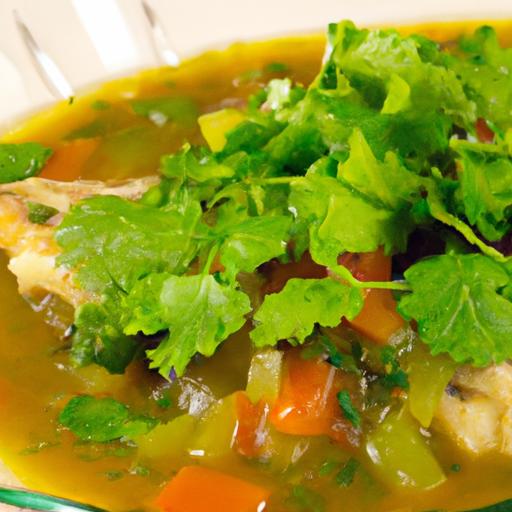

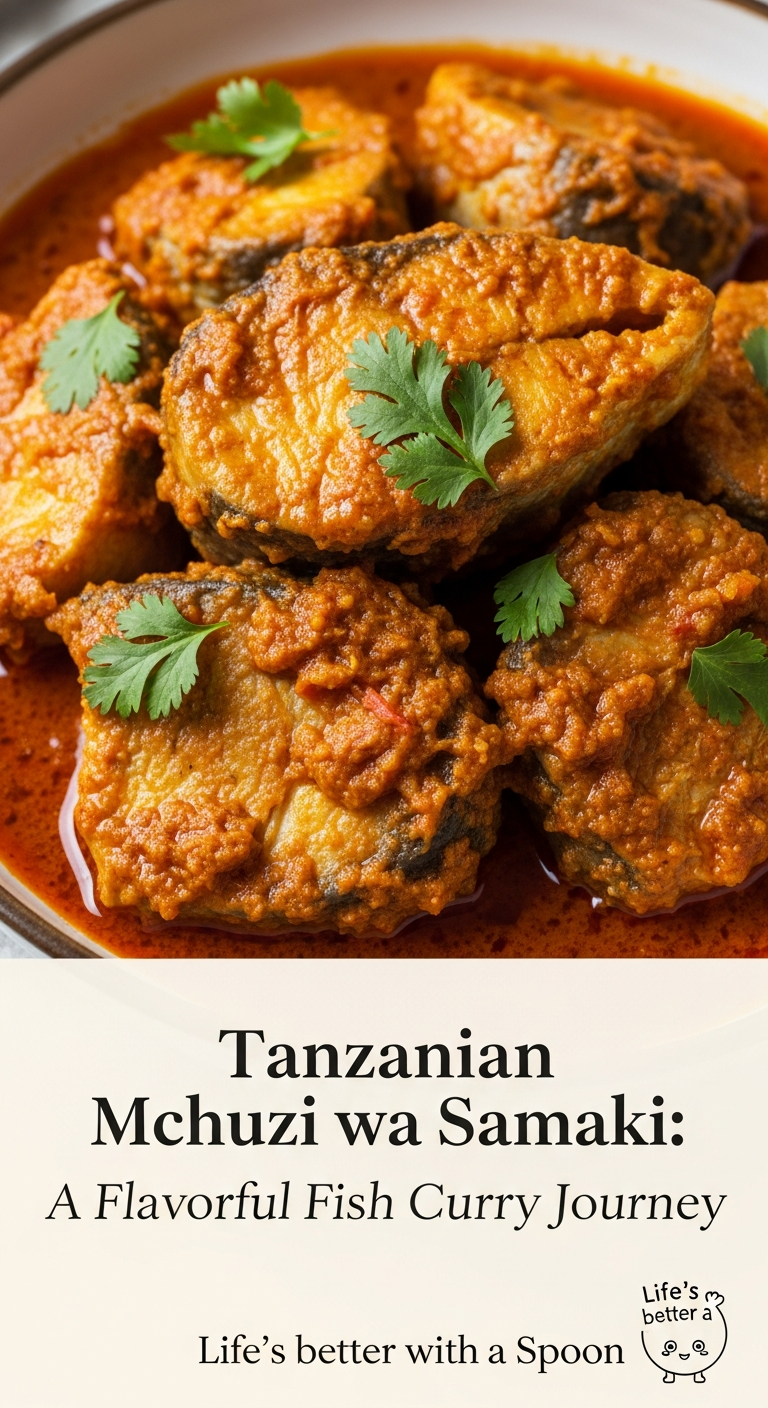
Nestled along the turquoise shores of the Indian Ocean, Tanzania offers a culinary treasure that captivates the senses and tells a story of its rich coastal heritage-Mchuzi wa Samaki, a vibrant fish curry that dances with flavors. This beloved dish is more than just a meal; it’s a flavorful journey through the heart of Tanzanian coastal life, where fresh fish meets a symphony of spices, tomatoes, and coconut milk to create a comforting yet exciting experience on the palate. Join us as we explore the origins, ingredients, and cultural importance of Mchuzi wa Samaki, uncovering the secrets behind this iconic Tanzanian delicacy that continues to enchant locals and visitors alike.
Tanzanian Mchuzi wa Samaki is a vibrant and aromatic fish curry that beautifully encapsulates the coastal spirit of East Africa. Originating from the Swahili coast, this dish marries fresh seafood with fragrant spices and creamy coconut milk, telling a story of cultural exchange, island heritage, and daily life by the Indian Ocean. Preparing this curry invites you to savor the warmth of tanzania’s culinary traditions while exploring a delightful medley of flavors that ignite the senses.
Prep and Cook Time
- Preparation: 15 minutes
- Cooking: 30 minutes
- Total Time: 45 minutes
Yield
Serves 4 generous portions
Difficulty Level
Medium – Accessible to home cooks with basic knife skills and an enthusiasm for spices
Essential Ingredients That Bring Tanzanian Fish Curry to Life
- 500g fresh firm white fish fillets (such as kingfish, cod, or snapper), cut into chunks
- 2 tbsp vegetable oil or coconut oil for authentic richness
- 1 large onion, finely chopped
- 3 cloves garlic, minced
- 1-inch piece of fresh ginger, grated
- 2 fresh tomatoes, diced
- 1 tsp turmeric powder
- 1 tbsp curry powder (preferably East African blend)
- 1 tsp ground coriander
- 1 fresh chili (optional), finely chopped for warmth
- 400ml coconut milk (full fat for creaminess)
- 1 lime, juiced
- Salt and freshly ground black pepper, to taste
- Fresh cilantro (coriander leaves) for garnish
- Water or fish stock, as needed to adjust sauce consistency
Step-by-Step Guide to Crafting an Authentic Mchuzi wa Samaki
- Prepare the fish: Lightly season the fish chunks with salt and lime juice. Set aside for 10 minutes to subtly marinate and firm up.
- Start the base: Heat the oil in a heavy-bottomed pan over medium heat. Add chopped onions and sauté until golden and softened,about 6-8 minutes.
- Add aromatics: Stir in minced garlic, grated ginger, and fresh chili (if using). Cook for 2 minutes until fragrant, careful not to burn the garlic.
- Spice it up: Sprinkle in turmeric, curry powder, and coriander powder. Mix well and sauté for another 2-3 minutes,allowing the spices to bloom and deepen in flavor.
- Tomatoes join the party: Add diced tomatoes, stirring frequently. Simmer until they break down and meld with the spices, around 5 minutes.
- Create the curry sauce: Pour in the creamy coconut milk and stir.add a little water or fish stock if the sauce looks too thick. Bring the mixture to a gentle simmer.
- Cook the fish: Gently add the marinated fish pieces to the sauce. Cover and simmer on low heat for 10-12 minutes until the fish is cooked through and flakes easily.
- Final touches: Taste and adjust seasoning with salt and freshly ground pepper. A final squeeze of lime juice brightens the complex flavors.
- Garnish and serve: Sprinkle freshly chopped cilantro over the curry. Serve piping hot alongside fragrant rice or fluffy Ugali for a complete Tanzanian experience.
Tips and Variations to Elevate Your Fish Curry Experience
- Fish choices: Opt for firm, meaty fish to prevent breakage during cooking. Tilapia, grouper, or barramundi are excellent alternatives.
- Spice balance: adjust chili quantity to your heat tolerance; omit for a mild version or double down for a fiery kick.
- Make it ahead: The curry flavors deepen when made a day in advance-simply store chilled and gently reheat.
- Add vegetables: Consider tossing in chopped okra, eggplant cubes, or spinach leaves at step 6 for added texture and nutrition.
- For a lighter curry: Substitute half the coconut milk with low-fat yogurt or tomato puree, but add yogurt after removing the pan from direct heat to prevent curdling.
Serving Suggestions
Serve this Tanzanian mchuzi wa Samaki with steaming white rice or ugali-a conventional maize meal that perfectly soaks up the luscious curry sauce. Garnish liberally with fresh cilantro and thinly sliced red onions for a burst of color and crunch. A side of crisp cucumber salad or lightly pickled carrots complements the rich, spicy curry beautifully. For an authentic feast, pair with chapati flatbreads for soaking every drop of the sauce.
| Nutritional Info (per serving) | Calories | Protein | Carbs | Fat |
|---|---|---|---|---|
| Mchuzi wa Samaki | 320 kcal | 35 g | 8 g | 14 g |
Discover more recipes from the Swahili Coast here and learn how Tanzanian flavors weave into East African culture. For a ancient perspective on the spice trade’s influence on East African cooking, visit Britannica’s detailed article.

Q&A
Q&A: Tanzanian Mchuzi wa Samaki – A Flavorful Fish Curry Journey
Q1: What exactly is Mchuzi wa Samaki?
A1: Mchuzi wa Samaki is a beloved Tanzanian fish curry that bursts with vibrant flavors and aromatic spices. “Mchuzi” means sauce or curry in Swahili, and “samaki” means fish.Together, it’s a rich, savory stew that perfectly balances tangy, spicy, and earthy notes, offering a delicious taste of Tanzanian coastal cuisine.
Q2: Where does Mchuzi wa Samaki originate from in Tanzania?
A2: This dish hails from Tanzania’s coastal regions, especially areas like Zanzibar and Dar es Salaam, where fresh seafood is abundant. The influence of Swahili culture, with its blend of African, Arab, and Indian culinary traditions, shines through in the complex layers of this curry.
Q3: What types of fish are traditionally used in Mchuzi wa Samaki?
A3: Typically, fresh white fish like kingfish, mackerel, or snapper are used, but local preferences and availability often dictate the choice. the fish is gently simmered in the curry to absorb all the delicious spices without losing its tender texture.
Q4: What are the key ingredients that give Mchuzi wa Samaki its signature flavor?
A4: The magic lies in a fragrant mix of ingredients: coconut milk for creaminess,tomatoes for a tangy base,garlic and ginger for warmth,and a blend of indigenous spices such as cardamom,cumin,cinnamon,and chili for depth and heat. Fresh coriander and lime juice add bursts of freshness.
Q5: How is Mchuzi wa Samaki traditionally prepared?
A5: It starts with sautéing onions, garlic, and ginger until golden, then adding tomatoes and spices to create a rich sauce. Coconut milk is poured in to mellow the heat and add silky texture. the fish is gently cooked in this flavorful broth until tender and infused with all the aromas.
Q6: What makes this curry stand out from other fish curries around the world?
A6: Mchuzi wa Samaki stands out due to its unique East African twist-particularly the use of coconut milk and the distinctive East African spice blend, influenced by centuries of trade and cultural exchange along the Swahili coast. It’s less heavy than some Indian curries and more aromatic than typical Western fish stews.Q7: What are the best ways to serve Mchuzi wa Samaki?
A7: Traditionally, it’s enjoyed with fluffy rice or ugali (a maize flour staple), which soaks up the luscious curry sauce beautifully. It can also be paired with chapati or fresh bread for dipping. A side of sautéed greens or a simple tomato salad provides a refreshing balance.Q8: Can Mchuzi wa Samaki be adapted for modern or vegetarian diets?
A8: Absolutely! While fish is central,the rich curry base can be used with tofu,mushrooms,or hearty vegetables like eggplant or jackfruit for a vegetarian twist. Adjusting spice levels and ingredients allows it to suit a variety of tastes without losing its essence.
Q9: What cultural significance does Mchuzi wa Samaki hold in Tanzania?
A9: Beyond being a delicious meal, Mchuzi wa samaki represents the rich maritime heritage and the fusion of cultures along Tanzania’s coast. It’s a dish often enjoyed during family gatherings,celebrations,and communal meals,symbolizing warmth,hospitality,and the sharing of tradition.
Q10: Why should travelers and food enthusiasts seek out Mchuzi wa samaki?
A10: For anyone eager to explore authentic east African cuisine, Mchuzi wa Samaki offers a sensory journey-spices that tell stories, coastal ingredients that speak of the sea, and a culinary tradition that connects past and present. It’s more than just a curry; it’s a flavorful passage into Tanzanian culture itself.
Key Takeaways
As the final notes of spices dissolve on your palate, Tanzanian Mchuzi wa Samaki leaves you not just satisfied but enriched-a culinary story steeped in coastal tradition and vibrant culture.This flavorful fish curry is more than just a dish; it’s a journey through Tanzania’s rich heritage, where every simmering pot captures the essence of Indian Ocean breezes, sun-soaked markets, and generations of lovingly crafted recipes. Whether you’re a seasoned food explorer or a curious newcomer, embracing Mchuzi wa Samaki invites you to connect with a world where taste tells a tale, and every bite is an invitation to savor the spirit of Tanzania.