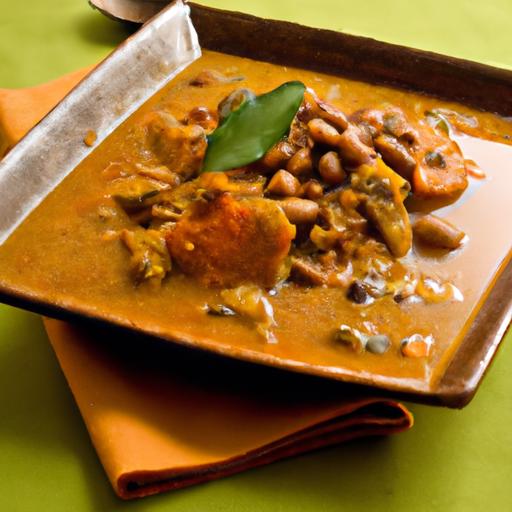

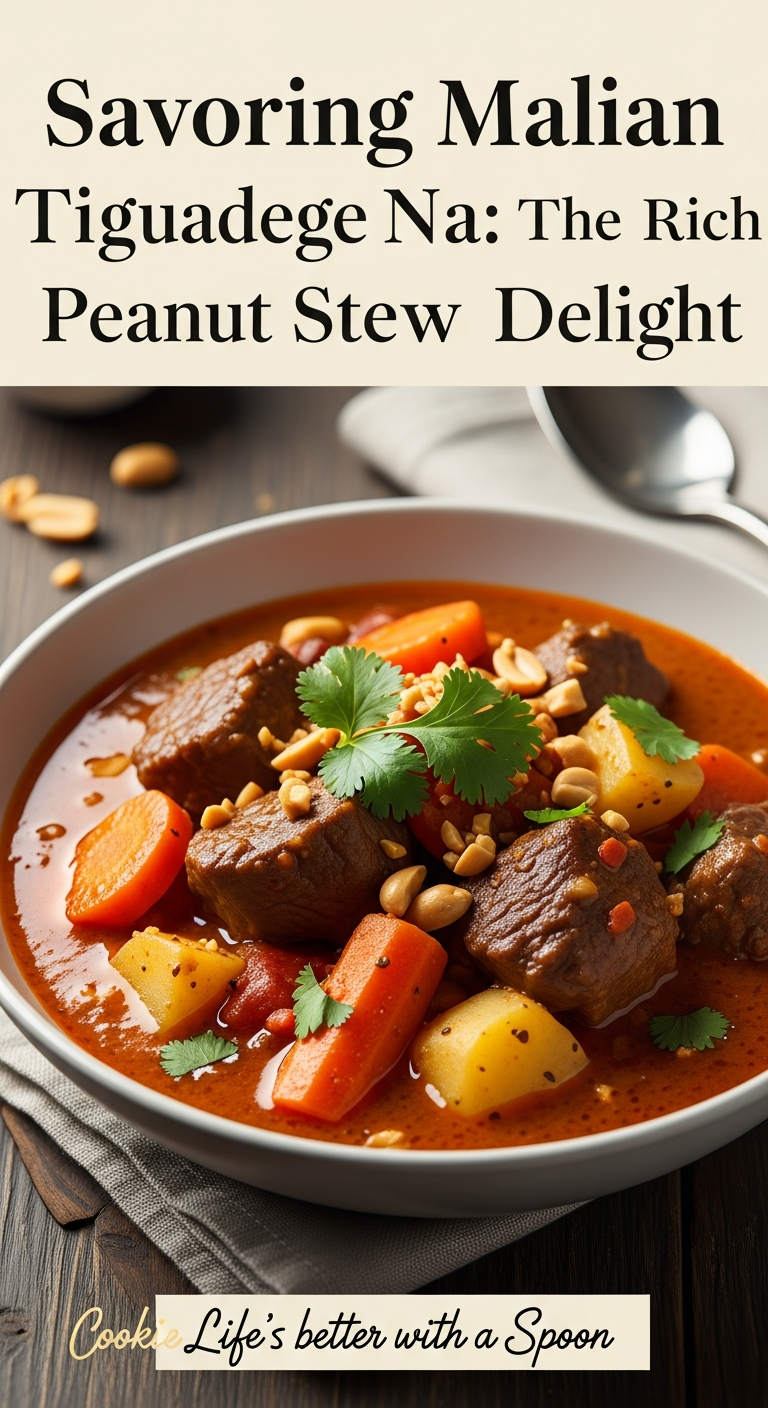
In the vibrant tapestry of West African cuisine, few dishes capture the heart and heritage of Mali quite like Tiguadege Na. This rich peanut stew, brimming with layers of nutty warmth and fragrant spices, is more than just a meal-it’s a culinary story steeped in tradition and communal spirit. From bustling village kitchens to festive family gatherings, Tiguadege Na weaves together simple ingredients into a soulful symphony of flavor. join us as we delve into the origins, ingredients, and cultural significance of this beloved Malian delicacy, inviting you to savor every savory spoonful of history and taste.
Savoring Malian Tiguadege Na is a delicious journey into the heart of West African home cooking, were the rich, creamy textures of ground peanuts meet a fragrant medley of spices. This iconic peanut stew, beloved across Mali, reflects both the agricultural bounty and the soulful warmth of its people.Each spoonful unveils layers of history and culture, tempered with a subtle heat and a hint of sweetness, making it a dish that comforts and excites the palate simultaneously.
Prep and Cook Time
- Planning: 20 minutes
- Cooking: 45 minutes
- Total Time: 1 hour 5 minutes
Yield
Serves 6 generously
Difficulty Level
Medium – Perfect for home cooks ready to explore traditional Malian flavors with approachable techniques.
Ingredients for Authentic Peanut Stew
- 2 tablespoons vegetable oil (preferably peanut oil for added aroma)
- 1 large onion,finely chopped
- 3 garlic cloves,minced
- 1 tablespoon fresh ginger,grated
- 1-2 fresh chili peppers,finely sliced (adjust to taste)
- 2 medium tomatoes,diced
- 1 cup natural peanut butter (smooth or chunky,unsweetened)
- 4 cups chicken or vegetable broth
- 1 large sweet potato,peeled and cubed
- 2 carrots,sliced diagonally
- 1 bell pepper,chopped (red or green)
- 1 teaspoon smoked paprika
- 1 teaspoon ground cumin
- 1 teaspoon coriander powder
- Salt and freshly ground black pepper,to taste
- 1 tablespoon fresh cilantro or parsley,chopped (for garnish)
- Rice or millet,cooked,for serving
Step-by-Step Instructions to Achieve the perfect Peanut Stew
- Heat the vegetable oil in a heavy-bottomed pot over medium heat. Add the chopped onions and sauté until translucent and soft, about 5 minutes.
- add the minced garlic, grated ginger, and sliced chili peppers. Stir continuously for 2 minutes until the mixture becomes fragrant but not browned.
- Incorporate the diced tomatoes and cook down for 7-8 minutes, stirring occasionally, until they become saucy and slightly caramelized.
- Sprinkle in the smoked paprika, ground cumin, and coriander powder. Stir well to coat the tomato mixture, letting the spices bloom for 1-2 minutes.
- Stir in the natural peanut butter, blending it thoroughly into the sautéed veggie and spice mixture. This step is key to developing the stew’s signature creamy texture and rich aroma.
- Pour in the chicken or vegetable broth slowly while stirring to combine and avoid lumps.
- Add the cubed sweet potato, sliced carrots, and bell pepper. Bring everything to a gentle boil, then reduce heat and simmer uncovered for 30-35 minutes, or until the vegetables are tender and the stew has thickened satisfactorily.
- Season with salt and freshly ground black pepper to taste.Feel free to add an extra pinch of chili if you want more heat.
- Serve hot over warm rice or millet, garnished with fresh cilantro or parsley for a vibrant, fragrant finish.
Tips for Success
- ingredient variations: Swap chicken broth for vegetable broth for a vegan version, and add cubed tofu or chickpeas for protein.
- Peanut butter choice: Use unsweetened,natural peanut butter without added oils or sugars for the most authentic taste.
- Thickness adjustment: If the stew becomes too thick,add extra broth or water until you achieve your desired consistency.
- Make ahead: This stew tastes even better the next day after flavors have melded. Refrigerate and gently reheat before serving.
- Prevent sticking: Stir frequently enough during simmering, especially towards the end, to avoid burning the nut base on the pot’s bottom.
Elevate Your Dining: Serving Suggestions
To truly savor each spoonful of this Malian delight, consider pairing your tiguadege Na with fragrant jasmine rice or traditional millet for a wholesome, textural balance. Garnish liberally with freshly chopped cilantro or parsley and serve with a side of steamed greens, such as kale or collard greens, to add a fresh, slightly bitter contrast. For an authentic presentation, set the stew in a rustic earthenware bowl and adorn with a wedge of lime or a sprinkle of toasted peanuts to add crunch and brightness.
| Nutrient | Amount per Serving |
|---|---|
| Calories | 375 kcal |
| Protein | 12 g |
| Carbohydrates | 35 g |
| Fat | 20 g |
discover more West African stew recipes to continue your culinary adventure. For authentic ingredients and nutritional insights about peanuts in African cuisine, visit the Encyclopaedia Britannica: Peanut.

Q&A
Q&A: Savoring Malian Tiguadege Na – The Rich Peanut Stew Delight
Q1: What exactly is Tiguadege Na?
A1: Tiguadege Na, often dubbed the “peanut stew of Mali,” is a luscious, hearty dish steeped in West African tradition. Its name translates roughly to “peanut sauce” in Bambara, the most widely spoken language in Mali. At its core, it’s a rich and creamy peanut-based stew, brimming with savory spices, tender meat or vegetables, and a comforting warmth that tells a story of community and sustenance.
Q2: Why is Tiguadege Na considered a culinary treasure in Mali?
A2: Beyond being simply delicious, Tiguadege Na holds a cultural significance that transcends the plate. It’s often served during family gatherings and festive occasions, symbolizing hospitality and the bond shared over a communal meal. Peanuts, a staple crop in Mali, give the stew its signature nutty depth, embodying both the country’s agriculture and its culinary ingenuity.
Q3: What are the key ingredients that define Tiguadege Na’s flavor?
A3: The dish unmistakably hinges on ground peanuts or peanut butter, which create a creamy, velvety base. Alongside this, you’ll find tomatoes for tanginess, onions and garlic for aromatic layers, and a medley of spices like chili peppers and sometimes ginger for subtle heat and complexity. Meat options vary-from tender chicken to goat or beef-while vegetables like eggplant, okra, or leafy greens add texture and earthiness.
Q4: How is Tiguadege Na traditionally prepared?
A4: The preparation is a labor of love. First, meat is browned to seal in flavor, then gently simmered with sautéed onions and spices. Ground peanuts are then stirred in with water or broth, simmering until a thick, silky sauce forms.Vegetables join the pot, absorbing the rich sauce as the stew thickens. The final dish is often accompanied by fluffy millet, rice, or couscous, perfect for soaking up every last bit of the stew.
Q5: Can Tiguadege Na be enjoyed by vegetarians?
A5: Absolutely! While meat is commonly included, the stew’s heart is in the peanut sauce itself, which pairs beautifully with various vegetables.Using mushrooms, eggplant, okra, or hearty greens can create a vibrant vegetarian or even vegan version that retains all the comforting richness and depth.
Q6: What makes the peanut element of Tiguadege Na so special?
A6: Peanuts offer more than just flavor-they provide protein, healthy fats, and a creamy texture that transforms a simple stew into a decadent, satisfying dish.In Mali, peanuts are a key crop and cultural symbol, and their use in Tiguadege Na highlights the connection between local agriculture and traditional cuisine.
Q7: How can someone outside Mali experience Tiguadege Na authentically?
A7: Embracing Tiguadege Na starts with sourcing good-quality peanuts or natural peanut butter, fresh spices, and embracing the slow simmering process that builds its unique flavor. Many African markets or specialty stores may carry traditional ingredients. Additionally, seeking out Malian restaurants or community cooking events can offer an authentic taste and an immersive cultural experience.
Q8: what does savoring Tiguadege Na teach us about Malian culture?
A8: Enjoying this peanut stew is more than a meal-it’s an invitation into Malian life,where food unites people and stories are shared around the fire. Tiguadege Na embodies resourcefulness, warmth, and festivity, reflecting a culture that honors its land, its people, and the timeless connection found in breaking bread (or scooping up stew with millet) together.
In Conclusion
As the last spoonful of Tiguadege na warms your palate,you’re reminded that this rich peanut stew is more than just a dish-it’s a vibrant thread in the tapestry of Malian culture. Each bite tells a story of tradition, community, and the earth’s generous gifts, blending roasted peanuts, tender meats, and fragrant spices into a harmonious celebration of flavor. Whether enjoyed around a bustling market stall or in the comfort of a family kitchen, Tiguadege Na invites you to savor not only its hearty taste but also the rich heritage it carries. So next time you seek a meal that nourishes both body and soul, allow yourself to be transported to Mali’s heartlands thru this unforgettable peanut stew delight.