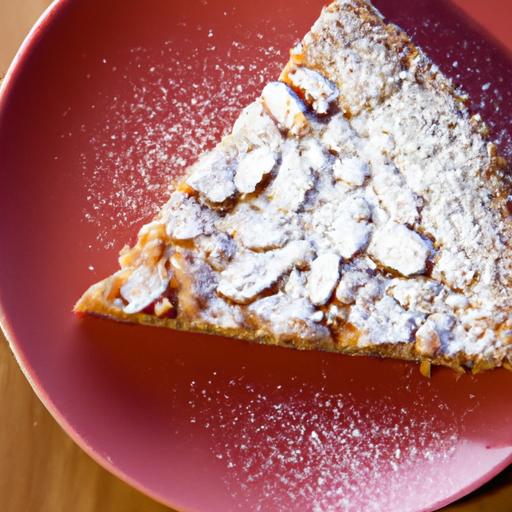

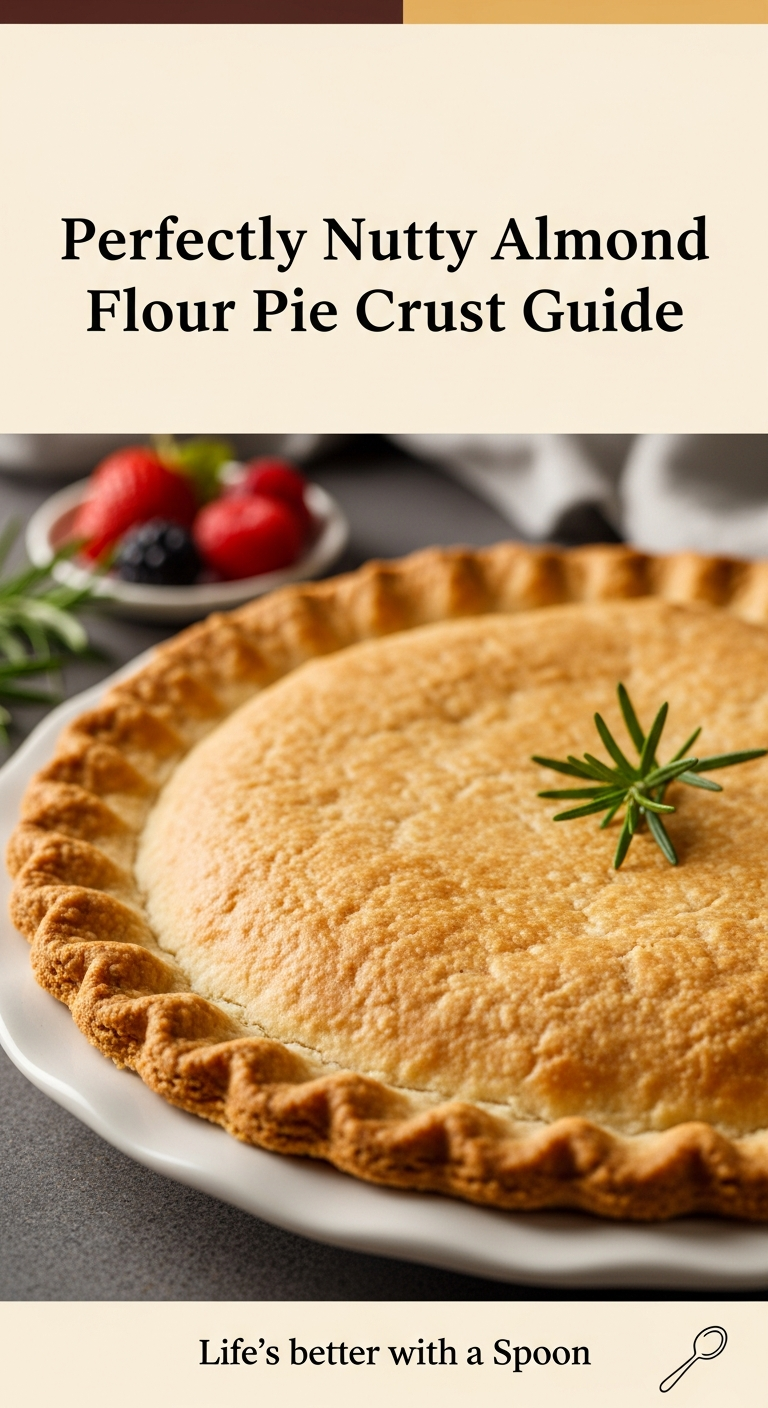
There’s something truly magical about a pie crust that’s both flaky and flavorful,yet free from grains and gluten. Enter the world of almond flour – a beautifully versatile ingredient that brings a perfectly nutty twist to your paleo baking adventures. In this guide, we’ll unravel the secrets to crafting the ultimate almond flour pie crust: one that boasts the delicate crunch you crave and the wholesome goodness paleo fans adore. Whether you’re a seasoned baker or a curious newbie, prepare to transform your pie-making game with a crust that’s as nutritious as it is appetizing.Let’s dive into the art and science behind the Perfectly Nutty Paleo Almond Flour Pie Crust!
Perfectly Nutty Paleo Almond Flour Pie Crust Guide unlocks the secret to crafting a rich, tender, and irresistibly flaky crust that perfectly complements any filling.Almond flour, a staple of paleo baking, brings a delightfully nutty flavor and moist texture that traditional flours simply cannot match. Its finely ground, naturally sweet composition requires gentle handling and the right balance of ingredients to ensure a crust that holds together yet still melts in your mouth. Whether you’re aiming for a rustic apple tart or a decadent chocolate cream pie, mastering this crust elevates your dessert to a whole new level of artisanal elegance.
Prep and Cook time
- Preparation: 15 minutes
- Chill Time: 30 minutes (essential for structure)
- Cooking/Baking: 20-25 minutes
- Total: Approximately 1 hour
Yield
Enough dough for one 9-inch pie crust, serves 8
Difficulty level
Medium – Ideal for bakers agreeable with gluten-free and paleo baking techniques
Ingredients
- 1 ¾ cups fine almond flour, preferably blanched
- 2 tbsp coconut flour (for improved structure and absorbency)
- 2 tbsp tapioca starch (helps with elasticity and flakiness)
- 2 tbsp refined coconut oil, chilled and solid
- 1 large pasture-raised egg, beaten
- 1 tbsp raw honey or maple syrup (adds subtle sweetness and binding)
- ½ tsp fine sea salt
- 1 tsp apple cider vinegar (enhances tenderness and flavor)
Instructions
- Combine the dry ingredients. In a mixing bowl, whisk together the almond flour, coconut flour, tapioca starch, and sea salt until evenly distributed. This creates a uniform base essential for gluten-free balance.
- Cut in the solid coconut oil. Using a pastry cutter or your fingertips, quickly incorporate the chilled coconut oil into the dry mix until it resembles coarse crumbs. The uneven chunks will create flaky layers when baked.
- Mix the wet ingredients. In a separate small bowl,beat the egg with honey and apple cider vinegar,then gently fold this into the dry mixture. Stir just until combined – overmixing can cause a dense crust.
- Form the dough. Lightly press the dough together into a ball, then flatten it into a disk. Wrap in parchment paper and chill in the refrigerator for at least 30 minutes; this step firms the fat and improves handling.
- Roll out the crust. Place the chilled dough between two sheets of parchment paper. Using a rolling pin, gently roll to a 12-inch circle about ¼ inch thick. Carefully transfer the crust into your pie pan by folding it in half and unfolding.
- Shape and pre-bake. Press the dough evenly into the pan, trimming excess edges and creating a decorative border if desired. Dock the base with a fork and refrigerate for 15 minutes prior to baking to prevent shrinkage.
- Bake. Preheat your oven to 350°F (175°C). Bake the crust for 20-25 minutes or until golden and firm to the touch. If the edges brown too quickly, shield them with foil.
Tips for Success
- Use blanched almond flour for a smooth, uniform texture-coarser flours can yield a gritty crust.
- keep fats cold to create those essential flaky pockets; warm fats lead to overly dense dough.
- Don’t skip chilling. The dough must rest so the fats solidify and the flours hydrate fully, preventing crumbling.
- Honey or maple syrup acts as a natural binder and lends a gentle sweetness, but you may substitute with a soft date paste.
- For vegan variations, replace the egg with a flaxseed egg (1 tbsp ground flaxseed + 3 tbsp water, soaked 10 minutes).
- To prevent sogginess, blind bake the crust before filling or brush lightly with melted coconut oil to create a moisture barrier.
Creative Enhancements
- Toasted almond flour: Lightly toast the almond flour before mixing to deepen the nutty aroma and add a subtle crunch.
- Herb-infused crust: Incorporate finely chopped rosemary or thyme in savory pies for an unexpected flavor twist.
- Cinnamon and citrus zest: Add ½ tsp ground cinnamon and 1 tsp lemon or orange zest to ramp up warmth and brightness.
- Extra binding: A tablespoon of chia seeds soaked in water can support the structure while adding nutritional benefits.
- Sweet glaze: Brush the baked crust with warmed honey mixed with a drop of vanilla extract for a shiny,flavorful finish.
Serving Suggestions
This pie crust shines paired with vibrant fruit fillings-think tart cherry, spiced apple, or mixed berries-or creamy custards and decadent chocolate.Garnish with slivered almonds toasted to a golden brown or a dollop of coconut whipped cream for an ethereal finish. For an eye-catching presentation, dust a light sprinkle of cinnamon or cocoa powder on the plate alongside fresh mint leaves.

| Nutrient | Per Serving (1/8 pie) |
|---|---|
| Calories | 245 |
| Protein | 6g |
| Carbohydrates | 8g |
| Fat | 21g |
For more tips on paleo baking and delicious gluten-free desserts, explore our Paleo and Gluten-free Dessert Guide.For deeper scientific insight into almond flour’s baking properties, visit Healthline’s almond flour overview.
Q&A
Q&A: Perfectly Nutty Paleo Almond Flour Pie Crust Guide
Q1: What makes an almond flour pie crust “perfectly nutty” in the paleo world?
A1: The “perfectly nutty” aspect comes from using finely ground, high-quality almond flour that retains a rich, toasty flavor without being overly oily. This natural nuttiness pairs beautifully with paleo-friendly ingredients, creating a crust that’s both flavorful and texturally satisfying-crispy edges with a tender crumb beneath.
Q2: Why choose almond flour for a paleo pie crust instead of traditional flour?
A2: Almond flour is a paleo superstar-its grain-free, gluten-free, and packed with healthy fats and protein. It mimics the texture of traditional flour wonderfully, providing a crumbly yet sturdy base for your pie without compromising paleo principles or flavor.
Q3: How do you prevent an almond flour crust from becoming too crumbly or fragile?
A3: The secret lies in balancing moisture and binding agents. A combination of almond flour,a small amount of arrowroot starch (for extra crispness),and preferably an egg or a flax egg helps hold the crust together. Chilling the dough before rolling also firms it up, making it easier to handle and less prone to crumbling.
Q4: Can you bake the almond flour crust blind (without filling) without it burning or drying out?
A4: Absolutely! To avoid burning, brush the crust lightly with melted coconut oil or ghee before baking. Using pie weights or dried beans keeps the crust flat,while baking at a moderate temperature (around 350°F/175°C) ensures a golden,evenly cooked crust with that perfect nutty aroma.
Q5: What fillings pair best with a paleo almond flour crust?
A5: Its versatile nutty flavor complements both sweet and savory fillings effortlessly. Think spiced pumpkin, tart apple, or rich chocolate ganache for dessert. On the savory side, roasted veggies, caramelized onions, or a creamy mushroom filling make for a compelling pie that’s as wholesome as it is indeed delicious.
Q6: How can you make this crust dairy-free and still flavorful?
A6: Swap traditional butter for coconut oil or dairy-free ghee to keep things paleo and dairy-free. Thes fats lend a subtle flavor and crispness while maintaining the crust’s structure. Make sure your fat is cold when mixing to get that flaky texture!
Q7: Any tips for rolling out almond flour dough without it sticking or breaking?
A7: Use a lightly floured surface with extra almond flour or parchment paper to roll between. Chill your dough well before rolling, and don’t be afraid to patch small cracks with a fingertip before baking-it’s totally normal and part of almond flour crust’s rustic charm!
Q8: How do you store leftover almond flour pie crust or pies?
A8: store leftover crust or pies tightly wrapped in plastic wrap or in an airtight container at room temperature for up to 2 days, or refrigerate for up to a week. For longer storage, freeze it wrapped well and thaw overnight before enjoying.
Q9: Can almond flour pie crust be made nut-free but still paleo?
A9: For nut-free options, substitute almond flour with seed flours like tiger nut flour or sunflower seed flour, though expect subtle differences in flavor and texture. Just be aware that almond flour remains the gold standard for that perfect paleo pie crust nuttiness!
Q10: What’s the overall secret to mastering the perfectly nutty paleo almond flour pie crust?
A10: It’s all about embracing almond flour’s unique characteristics-enhancing its natural nuttiness with balanced fats, a touch of starch, and careful handling. Patience in chilling, gentle rolling, and mindful baking transform humble ingredients into a crust that’s crisp, flavorful, and simply perfect every time.
To Conclude
With your newfound mastery over the perfectly nutty paleo almond flour pie crust, you’re no longer just baking-you’re crafting a gluten-free masterpiece that sings with rich, wholesome flavor. Whether you’re gearing up for a festive feast or a cozy night in, this crust promises a flaky, tender foundation that lets your favorite fillings shine. So, grab your rolling pin, embrace the almond’s natural charm, and say goodbye to compromise-as delicious and paleo-friendly pie crusts are truly within your reach. Happy baking!