
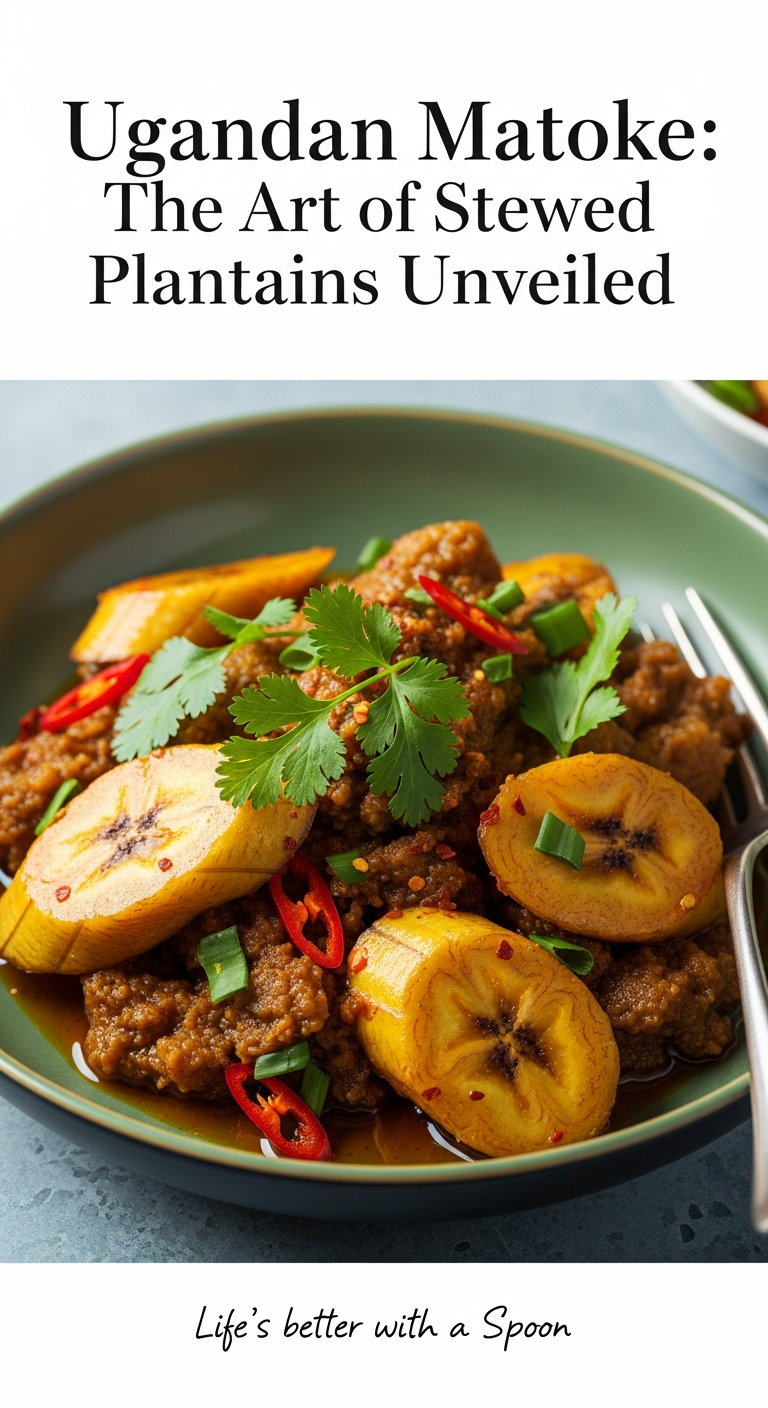
In the heart of East Africa, where verdant landscapes cradle vibrant cultures, a culinary treasure simmered gently through generations awaits discovery: Ugandan Matoke.More than just a dish,Matoke is a symphony of flavor and tradition-stewed plantains transformed into a tender,aromatic masterpiece that tells a story of heritage,resilience,and communal spirit. As we peel back the layers of this beloved staple, prepare to embark on a sensory journey that unravels the artistry behind every simmering pot, revealing how simple plantains become an emblem of UgandaS rich gastronomic tapestry. Welcome to the world of Ugandan Matoke: the art of stewed plantains unveiled.
Ugandan Matoke is a culinary treasure that embodies the heart of East African cuisine. Stewed plantains, tender and infused with a rich medley of spices and savory ingredients, tell a story of tradition, family gatherings, and the vibrant landscapes of Uganda. Growing up, I recall the intoxicating aroma wafting from our family kitchen, as the plantains simmered to tender perfection, signaling a meal that brought everyone together. This dish isn’t just food-it’s a celebration of culture, heritage, and the comforting power of simple ingredients elevated through expert techniques.
Prep and Cook Time
- Preparation: 20 minutes
- Cooking: 45 minutes
- Total Time: 1 hour 5 minutes
Yield
Serves 4-6 people-perfect for sharing family-style or enjoying leftovers that taste even better the next day.
Difficulty Level
Medium – Requires attention to layering flavors and achieving the ideal stew consistency, but highly rewarding.
Essential Ingredients for authentic Ugandan Matoke
- 6 large green plantains, peeled and chopped into quarters
- 2 medium onions, finely chopped
- 4 cloves garlic, minced
- 1 inch fresh ginger, grated
- 2 large tomatoes, diced
- 1 cup peanut butter (natural, unsweetened)
- 1 cup vegetable or chicken stock
- 2 tablespoons cooking oil (sunflower or vegetable oil preferred)
- 1 teaspoon smoked paprika or to taste
- 1 teaspoon ground coriander
- 1 teaspoon turmeric powder (optional for color and earthiness)
- Salt and freshly ground black pepper to taste
- Fresh cilantro or parsley for garnish
- 1-2 Scotch bonnet or habanero peppers (optional for heat)
Mastering the Perfect Stew: Step-by-Step Instructions
- Prepare the plantains: Peel the green plantains carefully, cutting off the ends and slicing into quarters lengthwise. Set aside in a bowl of water to prevent browning.
- Sauté the aromatics: Heat oil in a heavy-bottomed pot over medium heat. Add the chopped onions and sauté untill translucent and golden, about 6-8 minutes. Stir regularly to prevent burning.
- add garlic and ginger: Stir in minced garlic and grated ginger, cooking until fragrant-around 1-2 minutes.
- Build the flavor base: Add diced tomatoes, smoked paprika, ground coriander, turmeric, and optional chili peppers. Cook for 5-7 minutes until tomatoes break down into a thick sauce.
- Incorporate peanut butter: Stir the peanut butter into the sauce gradually, mixing thoroughly to create a creamy, nutty base that will envelop the plantains.
- Simmer the plantains: Drain plantains and gently nestle them into the pot. Pour stock over them; the liquid should come halfway up the plantains. cover and simmer on low heat for 35-40 minutes, stirring gently every 10 minutes to prevent sticking. The plantains should be incredibly tender but hold their shape.
- Season and adjust: Taste and season with salt and pepper.If the stew is too thick, add a splash of stock or water. For richer flavor, cook uncovered for the last 5 minutes to reduce excess liquid.
- Finish and garnish: Sprinkle fresh cilantro or parsley over the stew before serving for a burst of color and freshness.
Secrets to Achieving the Ideal Texture and Flavor Balance
Patience is key when cooking Ugandan Matoke. The plantains must become soft enough to melt in your mouth, but not mushy. Using fresh green plantains ensures a subtle starchiness that contrasts beautifully with the creamy peanut butter and vibrant spices. Balancing the savoriness of the stock with the earthiness of coriander and warmth of smoked paprika creates layers of flavor that unfold with each bite. adding chili peppers is optional but highly recommended for those who enjoy a little heat.
Tips for Success
- Use a heavy pot with a tight-fitting lid to maintain even heat during slow simmering.
- If you prefer a vegetarian or vegan version,substitute chicken stock with rich vegetable broth.
- gently stir the stew rather than vigorously to keep the plantains intact.
- Make-ahead tip: This stew tastes even better the next day as flavors deepen-store in an airtight container in the fridge.
- For a creamier texture, stir in a tablespoon of coconut milk at the end, a subtle twist that enhances richness.
Serving Suggestions and Pairings to Elevate Your Matoke Experience
This dish is traditionally served family-style with a side of Ugandan beef stew or simply accompanied by steamed greens like sukuma wiki (collard greens) or spinach. For a delightful contrast, try pairing with nutty sauces or tangy tomato salads to brighten the palate.
Serve the stew in a rustic bowl, drizzled with fresh herb oil or a squeeze of lime to awaken the flavors. Garnish with toasted peanuts or a sprinkle of crushed chili flakes for added texture and a kick. A side of chapati or posho (maize meal) complements the creamy, spicy stew perfectly.
| Nutrient | per Serving (approx.) |
|---|---|
| Calories | 320 kcal |
| Protein | 6 g |
| Carbohydrates | 45 g |
| Fat | 12 g |

Q&A
Q&A: Ugandan Matoke – The Art of Stewed Plantains Unveiled
Q1: What exactly is Ugandan Matoke?
Matoke, sometimes spelled “matooke,” is a quintessential Ugandan dish made primarily from green cooking bananas, also known as plantains. These starchy bananas are peeled, mashed, and than lovingly stewed to create a flavorful, comforting meal that’s deeply woven into Ugandan culture.
Q2: How does Matoke differ from other plantain dishes around the world?
Unlike the sweet fried or baked plantains popular in many Caribbean or latin American cuisines, Ugandan Matoke is savory and aromatic.It’s traditionally slow-cooked with onions, garlic, tomatoes, and a blend of herbs and spices, resulting in a rich, tender consistency that is both hearty and wholesome.
Q3: Why is Matoke considered an art form in Uganda?
Preparing Matoke is both a meticulous and time-honored practice.The art lies in selecting the perfect green plantains-not too ripe, not too firm-then peeling and mashing them by hand before stewing. The layering of flavors, the patient simmering, and the communal aspect of sharing the meal elevate the cooking process to an expressive cultural ritual.
Q4: What does Matoke symbolize in Ugandan culture?
Matoke isn’t just food; it’s a symbol of home, heritage, and hospitality.It often graces tables during family gatherings, celebrations, and notable events. Sharing Matoke conveys warmth and unity, reflecting the deep roots of Ugandan community life.
Q5: Can Matoke be paired with other dishes?
Absolutely! Matoke is often served alongside rich sauces, like groundnut (peanut) stew or meat stews. Its mild, creamy texture balances out spicy or intensely flavored accompaniments, making it a versatile foundation for a wide range of Ugandan meals.
Q6: Is Matoke accessible for home cooks looking to experiment?
Yes! While perfecting Matoke can be a soulful process, the ingredients are straightforward and widely available. With a little patience and love, home cooks can recreate this iconic dish and invite a flavorful piece of Uganda into their kitchens.
Q7: Any tips for someone trying to make authentic Matoke at home?
Start by sourcing firm green plantains specifically for cooking-don’t use the sweet banana variety. Peel carefully (the skin can be stubborn!) and don’t rush the stewing process; slow simmering is key to unlocking Matoke’s signature softness and flavor. embrace the communal spirit-matoke tastes best when shared.
To Conclude
As the final spoonful of Ugandan matoke graces your palate, your left not just with the comforting warmth of stewed plantains but with a deeper thankfulness for a dish that embodies tradition, resilience, and community. More than just a meal, matoke is a culinary story told through generations-each pot a chapter steeped in heritage and the rich soils of Uganda. Whether you’re a curious foodie or a cultural explorer, embracing the art of matoke invites you to savor a taste of Uganda’s heart and history, reminding us all that food is, above all, a language of connection.