
In a world where dietary preferences and restrictions shape our plates, discovering versatile, wholesome alternatives can feel like unearthing hidden treasures. Enter cassava flour flatbread-a naturally gluten-free delight that marries ancient tradition with modern nutrition. Hailing from the starchy root of the cassava plant, this humble flour transforms into soft, savory flatbreads that are as satisfying as they are nourishing. Join us as we explore the rich history, health benefits, and simple magic behind cassava flour flatbread-an inviting staple for anyone seeking flavour without compromise.
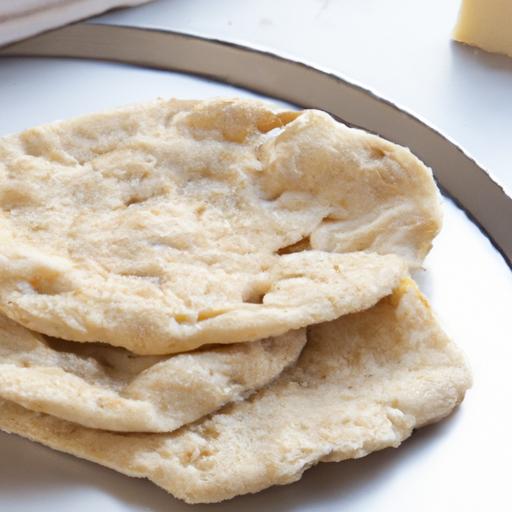
cassava flour flatbread embodies the perfect harmony of natural simplicity and vibrant, gluten-free versatility. derived from the dried and finely ground root of the cassava plant, this flour boasts a unique texture and subtle, slightly nutty flavor that lends itself beautifully to delicate, soft flatbreads-ideal for those pursuing wholesome, grain-free alternatives. Originating from regions where cassava is a staple, these flatbreads have traveled beyond tradition to become a favorite among modern kitchens craving nutritious, allergy-amiable options.
Prep and Cook Time
Preparation: 10 minutes
Cooking: 15 minutes
Total: 25 minutes
yield
Makes 6 medium-sized flatbreads (serves 3-4)
Difficulty Level
Easy – perfect for beginners curious about gluten-free baking
Ingredients
- 1 cup cassava flour, sifted
- ¼ teaspoon sea salt
- 2 tablespoons olive oil, plus extra for cooking
- ⅓ cup warm water (adjust as needed)
- 1 teaspoon baking powder (optional, for a slightly puffier texture)
- Fresh herbs (e.g., rosemary, thyme) – optional, finely chopped for flavor variations
Instructions
- Combine dry ingredients: In a medium bowl, whisk together cassava flour, sea salt, and baking powder until well blended.
- Add wet ingredients: Pour in olive oil and warm water gradually, stirring with a spoon until the dough begins to come together.
- knead the dough: Transfer to a lightly floured surface and knead for about 2 minutes until smooth and elastic. If sticky, sprinkle a bit more cassava flour.
- Divide and roll: Split dough into 6 equal portions. Using a rolling pin, flatten each piece into a circle about 6-7 inches in diameter and ¼ inch thick. For thinner,crispier flatbreads,roll thinner.
- Heat the skillet: Warm a non-stick or cast-iron skillet over medium heat. Brush lightly with olive oil.
- Cook the flatbreads: Place one flatbread in the skillet. Cook for 2-3 minutes or until golden brown spots appear on the bottom. Flip carefully and cook the other side for another 2 minutes. Repeat with remaining flatbreads, adding oil as needed.
- Serve warm: Stack flatbreads on a plate and cover with a clean towel to keep soft and warm until serving.
Chef’s Notes: Tips for Success
- Water temperature matters: Use warm water (not hot) to help the dough come together smoothly without drying out.
- adjust dough consistency: Cassava flour absorbs water differently depending on humidity; add water a tablespoon at a time if dough feels crumbly.
- Flavor infusions: Mix minced garlic, fresh herbs, or chili flakes into yoru dough for a creative twist on the classic flatbread.
- Make ahead: Dough can be refrigerated for up to 24 hours,allowing flavors to meld; bring to room temperature before rolling out.
- To crisp or soften: Thinner rolled flatbreads yield crisp bites great for dips; thicker versions stay soft and pillowy, ideal for wraps.
Serving Suggestions
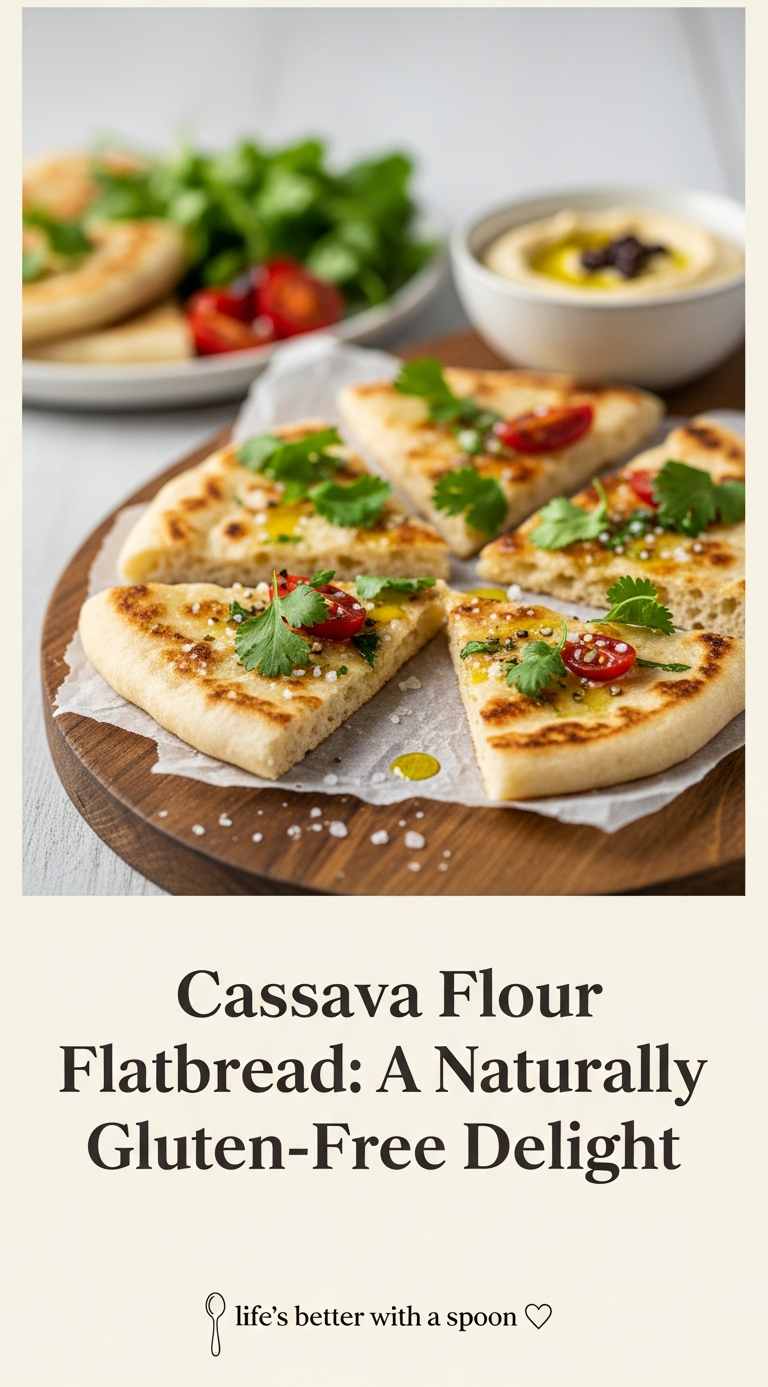
For an inviting presentation,brush warmed flatbreads lightly with garlic-infused olive oil and sprinkle with flaky sea salt and chopped fresh parsley. Pair with creamy hummus, vibrant vegetable dips, or use as a base for Mediterranean-inspired open-faced sandwiches topped with roasted veggies, feta, and olives. For a heartier option, wrap around grilled chicken and fresh arugula for a naturally gluten-free, satisfying lunch.

Nutritional Data per Flatbread
| calories | Protein | Carbohydrates | Fat |
|---|---|---|---|
| 120 kcal | 1.5 g | 25 g | 3.5 g |
For those eager to explore more wholesome gluten-free alternatives, check out our detailed guide on gluten-free baking essentials. To understand the full potential of cassava as a superfood,the NIH journal on cassava nutrition offers great insights into its health benefits.
Q&A
Q&A: Cassava Flour Flatbread – A Naturally Gluten-Free Delight
Q1: What is cassava flour, and why is it gaining popularity?
A: Cassava flour is made from the whole root of the cassava plant, a starchy tuber native to South America and Africa. Unlike many gluten-free alternatives that rely on processed starches, cassava flour uses the entire root, giving it a rich, mildly nutty flavor.Its natural gluten-free status and versatility in baking make it increasingly popular among health enthusiasts and those with gluten sensitivities.
Q2: How does cassava flour flatbread differ from customary wheat flatbread?
A: Cassava flour flatbread is naturally gluten-free, so it lacks the elastic gluten network that wheat-based breads have. This means it tends to be softer and slightly denser but offers a tender crumb and subtly sweet taste. Plus,it brings a delightful chewiness and earthiness unique to the cassava root,creating a fresh twist on a beloved classic.
Q3: Is cassava flour flatbread suitable for people with celiac disease or gluten intolerance?
A: Absolutely! As cassava flour comes from a root and contains no gluten, it’s safe for celiac patients and those with gluten intolerance. Just be sure to check for cross-contamination if the flour is processed in facilities that handle gluten grains.
Q4: Can I substitute cassava flour directly in my favorite flatbread recipes?
A: Cassava flour behaves differently than wheat flour,so a straight substitution might need some adjustments. Because it absorbs liquids well and has no gluten, recipes usually require a bit more moisture or binding agents like eggs.But with a few tweaks, your flatbread will turn out deliciously.
Q5: What nutritional benefits does cassava flour flatbread offer?
A: Cassava flour is rich in fiber, supports digestion, and provides a good source of carbohydrates for energy. It’s low in fat and contains resistant starch, which can promote healthy gut bacteria. Plus, being free from gluten and grains, it’s a friendly option for many dietary lifestyles.
Q6: How can I enjoy cassava flour flatbread in my meals?
A: Think beyond the usual wrap! Use cassava flour flatbread as a base for creative pizzas, soft tacos, or as a side for dips like hummus and baba ganoush. Its subtle flavor pairs well with both savory spices and sweet spreads, making it a versatile canvas for culinary experimentation.
Q7: Where can I find cassava flour?
A: Cassava flour can often be found in health food stores, specialty grocery aisles, or online. When buying, look for organic, minimally processed options to ensure the best quality and flavor for your flatbread adventures.
Discover the charm of cassava flour flatbread: wholesome, naturally gluten-free, and a delightful addition to your kitchen repertoire!
Wrapping Up
Whether you’re navigating gluten sensitivities or simply seeking a wholesome alternative to traditional bread, cassava flour flatbread offers a naturally gluten-free delight that doesn’t compromise on texture or flavor. Its subtle earthiness and pliable nature make it a versatile canvas for everything from savory wraps to sweet treats. Embracing cassava flour in your kitchen not only opens doors to new culinary adventures but also connects you to an ancient staple that has nourished communities for centuries. So next time you crave a comforting bread experience, let cassava flour flatbread take centre stage-a humble, earthy hero ready to transform your meals with naturally gluten-free goodness.