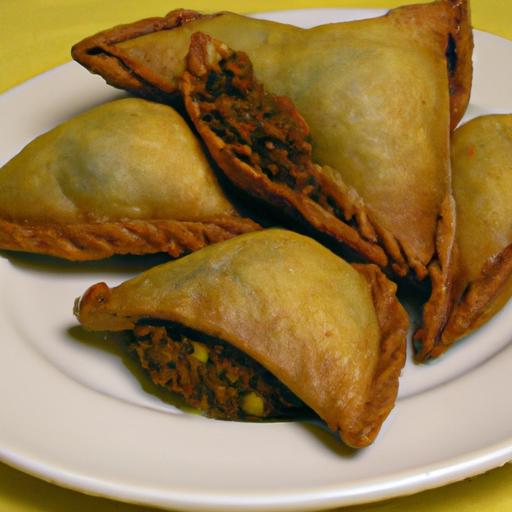

Crisp,golden triangles brimming with aromatic spices-Ethiopian sambusas are much more than just savory pastries.Steeped in rich culinary tradition, these flavorful spiced lentil parcels offer a vibrant taste of Ethiopia’s diverse food culture. From bustling markets to family kitchens, sambusas have long been cherished for their perfect blend of textures and layers of spice that awaken the palate. In this article, we unveil the story behind Ethiopian sambusas, exploring their origins, unique ingredients, and the irresistible flavors that make them a beloved treat across the Horn of Africa and beyond. Prepare to embark on a sensory journey through the world of these delectable pastries that promise both comfort and intrigue in every bite.
Origins and Cultural Significance of Ethiopian sambusa
Ethiopian Sambusa holds a cherished place in the rich tapestry of ethiopian cuisine, especially during festive occasions such as Ramadan, Ethiopian Christmas, and family gatherings. These flavorful spiced lentil pastries trace their roots to a cross-cultural history influenced by trade and migration across the Horn of Africa and the Middle East. While similar to the widely known samosas of South asia, Ethiopian Sambusas distinguish themselves through their unique blend of indigenous spices and Lentil-based fillings, embodying the heart of Ethiopian culinary tradition.
Sharing a plate of Sambusas is more than just enjoying a savory treat; it is a gesture of hospitality and community. Passed down through generations, this dish invites home cooks and food lovers into an aromatic world of warm, complex flavors and crispy textures.The ritual of preparing Sambusas frequently enough brings families together, honoring the art of handmade pastry with spiced lentils perfectly encased inside delicate, flaky dough.
Key Ingredients That Bring Authentic Spiced Lentil Pastries to Life
To achieve the signature essence of Ethiopian sambusa, every ingredient plays a pivotal role. The foundation is yellow split lentils (moong dal) or red lentils, which provide both hearty texture and nutty flavor. Aromatic berbere spice, a fragrant Ethiopian blend of chili peppers, garlic, ginger, and more, infuses warmth and depth.Fresh onion, garlic, and ginger sautéed until golden form the savory backbone, while touches of cumin and cardamom introduce subtle earthiness. The delicate balance of seasoning with salt, black pepper, and a hint of lemon juice brightens the filling beautifully.
For the pastry, customary thin dough wrappers-frequently enough made with all-purpose flour, water, and oil-are crafted into triangles that wrap the spiced filling like little parcels, ready to crisp perfectly once fried. Using fresh, high-quality ingredients is key to unlocking the authentic flavors and textures that make these spiced lentil pastries truly unforgettable.
Step-by-Step Guide to Crafting Perfectly Crispy Sambusas at Home
Mastering Ethiopian Sambusa is easier than you might expect with a bit of patience and attention to detail. Follow this clear, step-by-step process to make crispy, flavorful Sambusas from scratch.
prep and Cook Time
- Preparation: 40 minutes
- Cooking: 20 minutes
- Total Time: 60 minutes
Yield
- Approximately 20 Sambusas (serves 4-6)
Difficulty Level
- Medium
Ingredients
- For the filling:
- 1 cup red lentils, rinsed and drained
- 1 medium onion, finely chopped
- 3 cloves garlic, minced
- 1-inch piece of ginger, minced
- 2 tbsp berbere spice blend
- 1 tsp ground cumin
- 1/2 tsp ground cardamom
- 1 tbsp tomato paste
- 2 tbsp vegetable oil
- Salt and black pepper, to taste
- 1 tsp lemon juice
- for the Dough:
- 2 cups all-purpose flour, sifted
- 1/2 tsp salt
- 3/4 cup warm water
- 2 tbsp vegetable oil (plus more for frying)
Instructions
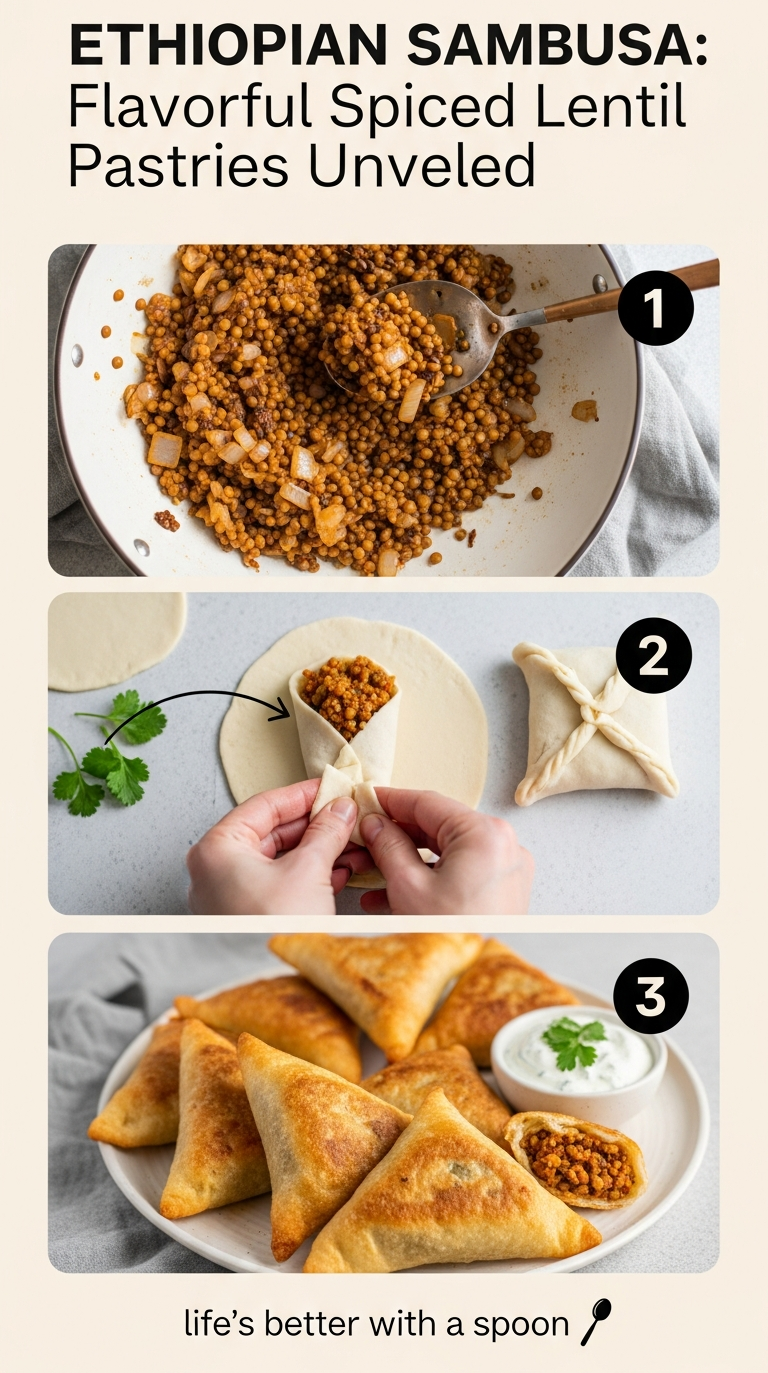
- Prepare the Lentil Filling: In a medium saucepan, cover lentils with water and simmer gently until tender but not mushy (about 15 minutes). Drain any excess water and set aside.
- Sauté Aromatics: Heat 2 tablespoons of oil in a skillet over medium heat. Add the chopped onion, minced garlic, and ginger. Sauté until golden and fragrant, about 7 minutes, stirring occasionally.
- Spice It Up: Stir in berbere,cumin,cardamom,and tomato paste. Cook the mixture for 2 minutes, allowing the spices to bloom and deepen in flavor.
- Combine Lentils and season: Add the cooked lentils to the skillet. Stir well to coat with the spiced mixture. Season with salt, pepper, and lemon juice. Cook together for another 5 minutes, stirring frequently. Remove from heat and allow to cool.
- Make the Dough: In a large bowl, mix flour and salt.Gradually add warm water while stirring until the dough begins to gather. knead on a floured surface for 5-7 minutes until smooth and elastic. Cover and rest for 20 minutes.
- shape the Sambusa: Divide dough into 20 equal portions. Roll each into a thin circle, about 6 inches in diameter. Cut each circle in half. Form a cone with each half, sealing the edge with a little water.
- Fill and Seal: Spoon about 1 tablespoon of the lentil filling into each cone. Fold the open edges over and press firmly to seal wholly into a triangle shape, ensuring no filling can escape.
- Fry to Perfection: Heat vegetable oil in a deep pan or fryer to 350°F (175°C). Fry Sambusas in batches, turning occasionally, until golden brown and crisp (about 3-4 minutes). Drain on paper towels.
- Serve Warm: enjoy Sambusas immediately for best crunch and flavor, or keep warm in an oven heated to 200°F (95°C).
Tips for Success
- Use freshly ground berbere for the most vibrant spice profile.
- If you prefer baking over frying, brush the Sambusas with oil and bake at 375°F (190°C) for 20 minutes, flipping halfway.
- The dough should be thin but not clear; too thick and thay won’t crisp properly.
- Prepare the filling a day ahead to let the flavors deepen.
- If sealing the edges proves tricky,brush with a little water or a flour-water paste to help them stick better.
serving Suggestions and Pairings to Elevate Your Ethiopian Sambusa Experience
For an authentic dining experience, serve Sambusas hot with an array of traditional ethiopian sides. A cooling spiced yogurt dip flavored with minced garlic and mint perfectly balances the fiery berbere spices. Pair with Ethiopian teas like coffee brewed with cardamom to echo the warm spices within the pastries.
For a vibrant plating, garnish with freshly chopped cilantro and a wedge of lemon to squeeze over the Sambusa, awakening the earthy lentils inside. Accompany with a fresh salad of chopped tomato,cucumber,and red onion dressed lightly in lemon and olive oil to brighten the meal. This harmony of textures and flavors transforms Ethiopian Sambusa into a feast for both the eyes and palate.

| Nutritional Info (per Sambusa) | Amount |
|---|---|
| Calories | 110 |
| Protein | 5g |
| Carbohydrates | 14g |
| Fat | 5g |
Discover more exciting Ethiopian recipes like Injera, and expand your culinary journey with us!
Q&A
Q&A: Ethiopian Sambusa – Flavorful Spiced Lentil Pastries Unveiled
Q1: What is Ethiopian Sambusa?
A1: Ethiopian Sambusa is a beloved savory pastry cherished across Ethiopia, especially during festive occasions like Ramadan and Timkat. These triangular delights are thin, crispy pastries filled with a spiced lentil mixture, offering a perfect balance of warmth, texture, and vibrant flavor.
Q2: How does Ethiopian Sambusa differ from other samosas?
A2: While sambusas share a common lineage with the widely known Indian samosas, the Ethiopian version stands out due to its unique fillings and seasoning. Instead of meat or potatoes, ethiopian sambusas often feature lentils, seasoned with distinctive Ethiopian spices such as berbere, mitmita, and finely chopped onions, creating a rich and earthy bite that speaks of ethiopia’s culinary heritage.
Q3: What are the key ingredients in ethiopian Sambusa?
A3: The heart of Ethiopian Sambusa lies in its spiced lentil filling. Key ingredients typically include red lentils,finely diced onions,garlic,ginger,berbere spice blend,and sometimes green chili or fresh herbs like cilantro. The pastry is made with thin dough sheets, folded into neat triangles before being fried to golden perfection.
Q4: How is the filling prepared?
A4: Lentils are first cooked until tender but not mushy. Simultaneously occurring, onions, garlic, and ginger are sautéed with berbere spice and sometimes mitmita (a fiery chili powder). The cooked lentils are than combined with the aromatics, resulting in a savory, spicy filling that carries the warmth of Ethiopian cuisine.
Q5: Can Ethiopian Sambusa be made vegan or vegetarian?
A5: Absolutely! The traditional lentil filling is naturally vegan and vegetarian, relying on legumes and spices rather than animal products. It’s a hearty, protein-packed snack that perfectly suits both plant-based diets and those seeking flavorful comfort food.
Q6: When and how is ethiopian Sambusa traditionally enjoyed?
A6: Sambusas frequently enough make their grand appearance during Ethiopian holidays and celebrations, especially during fasting periods when meat is avoided. Served hot and crispy, they’re commonly enjoyed with dipping sauces like awaze (a spicy red pepper paste) or fresh yogurt-based dips, making them irresistible appetizers or snacks.
Q7: Are there regional variations within ethiopia?
A7: Yes! While the lentil filling is fairly standard, some regions may experiment with different spice blends or incorporate additional ingredients such as ground beef, peas, or even lentils combined with nuts. Preparation methods can also vary – some prefer baking over frying for a lighter version.
Q8: How can someone outside Ethiopia recreate authentic Ethiopian Sambusa at home?
A8: Start by sourcing key Ethiopian spices like berbere and mitmita – these are essential for capturing authentic flavor. Cook red lentils with aromatic spices, prepare a thin dough or use spring roll wrappers as a handy alternative, then fold and fry until crisp. Pair with a spicy dipping sauce such as awaze or a cooling side of plain yogurt to complete the experience.
Q9: What makes Ethiopian Sambusa culturally significant?
A9: Beyond its tasty taste, sambusa represents hospitality, communal festivity, and tradition in Ethiopian culture.Sharing sambusas is an expression of warmth and generosity, frequently enough bringing people together around festive tables or during fasting periods, symbolizing unity through food.Q10: Why should adventurous food lovers try Ethiopian Sambusa?
A10: Ethiopian Sambusa is a gateway to the robust and spicy world of Ethiopian cuisine. Its crispy exterior and fragrant lentil filling offer a textural and flavor adventure that’s both comforting and exciting. Trying sambusa not only delights your palate but also invites you to explore the rich culinary stories woven into Ethiopia’s vibrant food tapestry.
Ready to embark on a flavorful journey? Ethiopian Sambusa awaits – crisp, spiced, and irresistibly inviting!
In Retrospect
As the savory aroma of Ethiopian sambusa fills the air, it becomes clear that this humble lentil-stuffed pastry is far more than just a snack-it is indeed a vibrant thread woven into the rich tapestry of Ethiopian cuisine and culture. With its perfectly crisp exterior giving way to a warm, spiced lentil filling, sambusa invites both the curious and the seasoned palate to experience a culinary tradition steeped in history and flavor. Whether enjoyed during festive gatherings or as a comforting treat any day of the year, these flavorful pastries remind us that some of the most memorable dishes come wrapped in simplicity and seasoned with stories. So next time you seek a taste adventure, let Ethiopian sambusa guide you through a world of spice, texture, and heritage-all in a single, delectable bite.