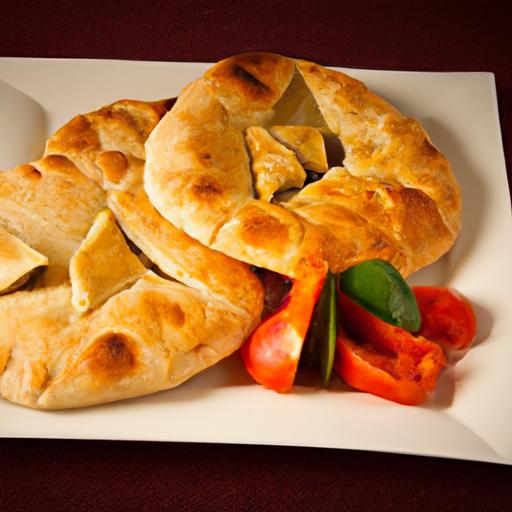

In the bustling kitchens of Morocco,where spices dance on the air and traditions are baked into every bite,one humble flatbread stands as a testament to culinary artistry: Msemmen. This flaky,golden-layered marvel is more than just bread-it’s a sensory journey through time,culture,and technique. With its delicate crispness giving way to tender, buttery layers, Moroccan Msemmen captures the heart of a nation’s passion for flavor and craftsmanship.Join us as we unfold the secrets behind this iconic flatbread, exploring the rituals, ingredients, and hands that shape Msemmen into the flaky masterpiece adored across generations.
Origins and Cultural Significance of Moroccan Msemmen
Moroccan Msemmen is a beloved conventional flatbread that carries centuries of heritage within its golden,flaky layers. This humble yet exquisite bread is more than just sustenance; it symbolizes the warmth of Moroccan hospitality and the artistry embedded in North African culinary traditions. Originating from the Berber communities and popular throughout moroccan homes, msemmen is often enjoyed during breakfast or afternoon tea, accompanied by sweet honey or savory accompaniments.
Its unique layered texture relies on a meticulous folding technique that reflects the patience and skill passed down through generations. Sharing msemmen is synonymous with family gatherings and festive occasions, where each bite echoes the vibrant culture and history of Morocco. The allure of Moroccan Msemmen lies not only in its flavor but also in its ability to bring people together over a shared, heartfelt meal.
Mastering the Technique Behind Perfectly Flaky Layers of Moroccan Msemmen
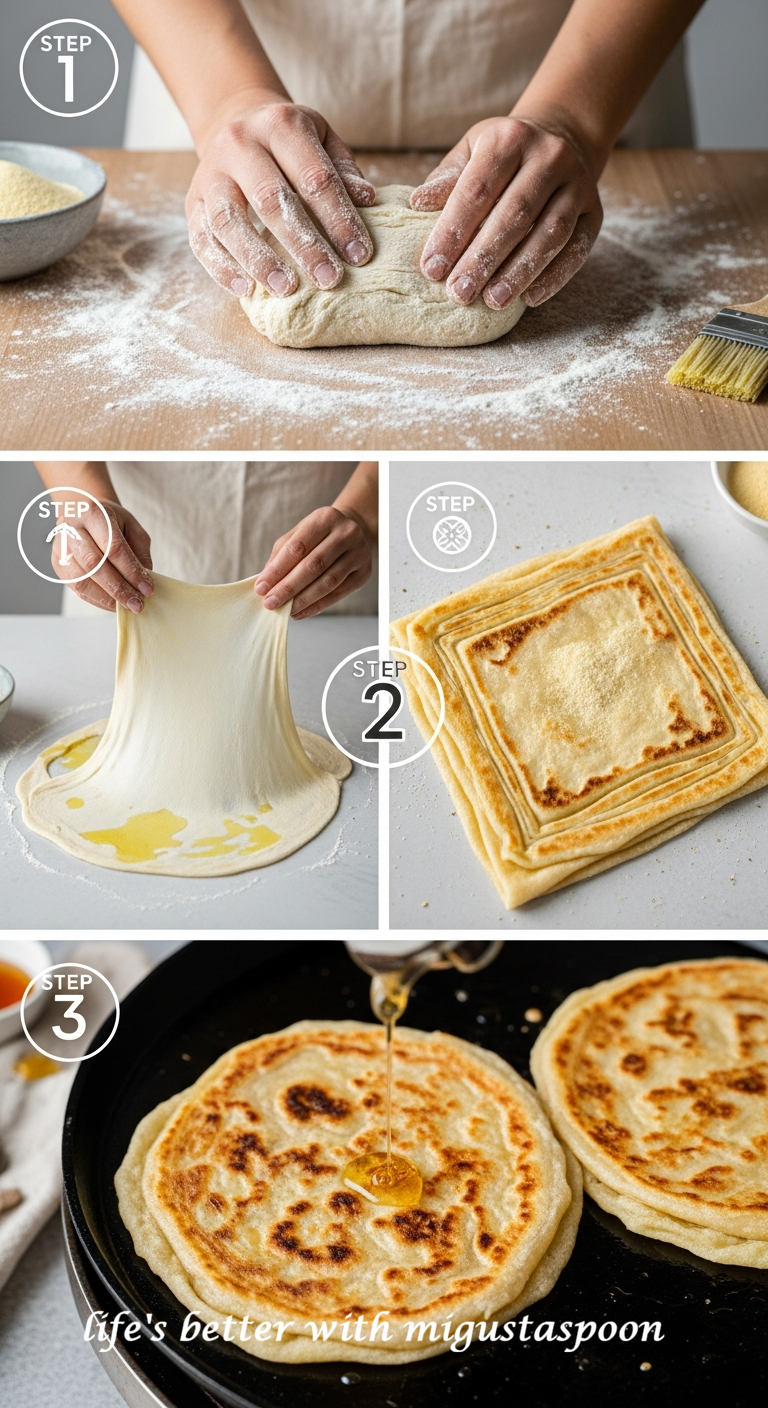
Achieving the iconic flaky texture of Moroccan msemmen is truly an art form balancing precision and intuition. The secret lies in the dough’s elasticity and the careful request of fat during each fold. Begin by stretching the dough into ultra-thin sheets, almost translucent, then generously brushing with melted butter and vegetable oil mixture. This fat layering creates the delicate lamination necessary to separate the layers as they crisp on the griddle.
Folding the dough into neat squares creates the signature multi-layered effect, which puffs and cracks slightly when cooked-professing its flakiness. Mastering these steps requires a tender touch and practice,but once perfected,every msemmen emerges golden brown,fragrant,and irresistibly crisp on the outside while tender inside.
Essential Ingredients and Tools for Authentic Moroccan Msemmen
Authenticity is deeply rooted in the choice of ingredients and tools when crafting traditional Moroccan Msemmen. The foundation starts with all-purpose flour, which produces the ideal texture. Semolina can be added for subtle crunch and flavor enhancement. Warm water combined with a pinch of salt and a dash of sugar helps the gluten develop for elastic dough. The magic of the dough’s layers comes from generous amounts of butter and vegetable oil, essential to achieve the unforgettable flakiness.
As for tools,a flat non-stick griddle or cast-iron pan works best to cook the msemmen evenly.A large mixing bowl for kneading and a clean surface dusted with semolina are vital for rolling. Using your fingertips rather than a rolling pin to stretch the dough encourages that delicate thinness not achievable otherwise. kitchen towels keep the folded msemmen soft and warm while cooking others.
Prep and Cook time
- Prep Time: 20 minutes
- resting Time: 1 hour
- Cook Time: 15 minutes
- Total Time: Approximately 1 hour 35 minutes
Yield
Makes 8 large Moroccan Msemmens (serves 4-6)
Difficulty Level
Medium – requires some patience and practice to master dough handling and folding
Ingredients
- 2 cups all-purpose flour, sifted
- 1/2 cup fine semolina (optional for crunch)
- 1 tsp fine sea salt
- 1 tsp granulated sugar
- 3/4 cup warm water (approximate, adjust as needed)
- 1/4 cup melted unsalted butter (room temperature)
- 1/4 cup vegetable oil (e.g., sunflower or light olive oil)
- Extra semolina for dusting
Instructions
- Combine dry ingredients: In a large bowl, whisk together the flour, semolina, salt, and sugar. Gradually add warm water, mixing with your hand or a spoon until a shaggy dough forms.
- Knead the dough: transfer to a floured surface and knead for 10 minutes until smooth and elastic. The dough should be soft but not sticky. Cover with a damp cloth and let rest for 1 hour to relax the gluten.
- prepare the fat mixture: In a small bowl, blend melted butter and vegetable oil together. This blend will be used repeatedly to brush the dough for layered flakiness.
- Divide and shape: Divide the dough into 8 equal balls.Lightly oil your work surface and your hands to prevent sticking.
- Roll and stretch: Take one dough ball and gently flatten it. Using your fingertips, stretch and spread the dough as thin as possible into a large, almost obvious square. Dust with semolina.
- Brush with fat: Generously brush the entire surface with the butter-oil mixture.
- Fold layers: Fold the dough edges inward to create a neat square parcel with multiple layers. Repeat for all dough balls.
- Cook the Msemmen: heat a non-stick griddle or cast iron skillet over medium heat. Place a folded msemmen on the hot surface and cook for 3-4 minutes per side until golden brown and crisp, pressing gently with a spatula.
- Keep warm: Wrap cooked msemmen in a clean towel to maintain softness while preparing the rest.
- Serve immediately to enjoy warm,flaky layers at their best.
Tips for Success
- Use warm water (not hot) to activate the dough’s gluten without killing yeast (if using).
- Resting the dough is crucial – it relaxes the gluten, allowing for thinner stretching.
- Don’t rush the stretching process; a gentle touch will yield translucent layers.
- If dough shrinks back when stretched, let it rest again covered for 10-15 minutes.
- For a healthier twist, substitute half the butter with olive oil, but traditional flavor is best with butter.
- Make-ahead: you can freeze folded msemmen raw and cook from frozen, adding a few extra minutes to the cooking time.
creative Serving Suggestions and pairings to Elevate Your Moroccan Msemmen Experience
Once perfected, Moroccan Msemmen becomes a versatile canvas for both sweet and savory accompaniments that elevate every bite. Traditionally, it pairs beautifully with a drizzle of golden honey, a pat of rich butter, or a bit of thick Moroccan mint tea-the perfect refreshing balance to the buttery bread.
For savory options, try serving with a side of slow-cooked chickpea tagine, spiced yogurt dips infused with cumin and garlic, or a vibrant tomato and pepper chutney. Garnish with freshly chopped herbs like cilantro or parsley for a burst of freshness and color.
For brunch-inspired plating, stack a few msemmen slices alongside scrambled eggs spiced with harissa or smoked paprika. A sprinkle of toasted sesame seeds atop adds visual appeal and subtle crunch.
This bread also shines as a wrap for grilled vegetables or merguez sausage,making it a delightful introduction to the layered flavors of Moroccan cuisine.

| Nutrient | Per Serving (1 msemmen) |
|---|---|
| Calories | 215 kcal |
| Protein | 5 g |
| Carbohydrates | 28 g |
| Fat | 9 g |
Explore more iconic Moroccan breads to deepen your taste of traditional flavors and techniques.
For a comprehensive understanding of Moroccan culinary customs, this Britannica article on Moroccan cuisine offers a deep dive into the diverse ingredients and history behind dishes like msemmen.
Q&A
Q&A: Moroccan Msemmen – Exploring the Art of Flaky Flatbread
Q1: What exactly is Moroccan Msemmen?
A: Moroccan Msemmen is a traditional flaky flatbread, beloved across Morocco as a breakfast staple and snack. It’s a layered, pan-fried dough that offers a slightly crispy exterior with soft, buttery folds inside-a perfect harmony of texture and flavor.Q2: How is Msemmen different from othre flatbreads?
A: Unlike many flatbreads, Msemmen is uniquely layered, almost like a delicate pastry. The dough is repeatedly folded and kneaded with oil or melted butter, creating tantalizing thin sheets that puff and flake when cooked. Think of it as a cross between a pancake and a croissant, but with the rustic charm of moroccan street food.
Q3: What ingredients are traditionally used to make Msemmen?
A: The classic recipe calls for simple pantry staples: flour,semolina,water,salt,and a generous amount of oil or melted butter for folding. The beauty lies in its simplicity-no yeast, no sugar-just pure, honest dough lovingly crafted into flaky layers.
Q4: Can you walk us through the basic process of making Msemmen?
A: Absolutely! first, the dough is mixed and kneaded until smooth. Then it’s portioned into small balls, which are rolled out very thinly. Each sheet is brushed with oil or butter and carefully folded multiple times to form layers-usually into a neat square or a triangle. It’s then cooked on a hot griddle until golden brown, developing those signature crispy edges and soft pockets.
Q5: Why is mastering the folding technique so important?
A: The secret to flaky Msemmen lies in the folding. Each fold builds delicate layers of dough separated by butter or oil, which steam and crisp during cooking.Without proper folding, you lose that irresistible flakiness-the bread might be chewy or dense instead.It’s an art passed down through Moroccan kitchens, where patience and practice yield golden, buttery results.
Q6: How is Msemmen traditionally enjoyed in Moroccan culture?
A: Msemmen is a breakfast hero, typically served warm alongside hearty honey, rich olive oil, or a steaming cup of mint tea. It’s also popular as a snack from street vendors and can be stuffed with savory fillings like spiced meat or vegetables for a satisfying meal.
Q7: Are there regional or modern variations of Msemmen?
A: Indeed! Some regions add semolina for extra texture, while others incorporate herbs or spices into the dough. Contemporary cooks experiment with fillings-sweet dates,almonds,or savory mixtures-to reinvent this classic. Yet, no matter the variation, the essence of Msemmen’s flaky layers remains the star.
Q8: What tips would you give beginners eager to try making Msemmen at home?
A: Patience is key: take your time rolling and folding. Don’t skimp on the oil or butter-it’s essential for layers. Use a hot but not scorching pan to get that perfect golden crust without burning. And perhaps most importantly, embrace the imperfections; each fold tells a story, and homemade Msemmen is deliciously forgiving.
Q9: Why has Msemmen remained such a beloved part of Moroccan culinary tradition?
A: Msemmen encapsulates the soul of Moroccan hospitality-simple ingredients elevated by craftsmanship, shared around the table with family and friends. It’s comfort food wrapped in history, carrying generations of culinary wisdom in every flaky bite.
Q10: Where can someone try authentic msemmen outside of Morocco?
A: Look for moroccan or North African bakeries and cafes worldwide, especially those specializing in traditional breakfast or street foods. Alternatively, cooking workshops and cultural festivals frequently enough showcase Msemmen-making, offering a hands-on experience to savor this flaky treasure firsthand.
Msemmen is more than just a flatbread-it’s Moroccan culture folded into buttery layers,waiting to be discovered bite by bite. Whether you taste it on the bustling streets of Marrakech or craft it in your own kitchen, it’s a delicious journey into the art of flaky flatbread.
The Way Forward
as the layers of Moroccan Msemmen unfold, so too does a story steeped in tradition, patience, and culinary artistry. This flaky flatbread is more than just a staple; it’s a testament to the delicate balance between technique and love that defines Moroccan cuisine. Whether enjoyed drizzled with honey, stuffed with savory fillings, or paired with mint tea at a bustling market stall, Msemmen invites us to slow down and savor each buttery, crispy fold. Exploring the art of this humble flatbread reveals not only the flavors of Morocco but also the cultural rhythm that continues to inspire cooks and food lovers around the world. So next time you bite into a golden square of Msemmen, remember-you’re tasting a piece of Morocco’s rich, layered heritage.