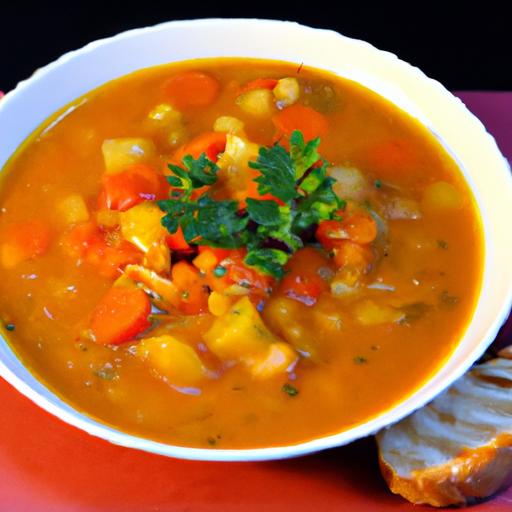


In the bustling heart of Moroccan kitchens, a fragrant aroma weaves its way through bustling markets and quiet homes alike-this is the magic of Harira soup. More than just a dish, Moroccan Harira is a soulful tradition simmered with history, culture, and community.Each bowl brims with tender lentils, fresh tomatoes, fragrant spices, and tender morsels of meat, offering not just nourishment but a story steeped in centuries of festivity and togetherness. Whether breaking the fast during Ramadan or gathering around the table with loved ones on a chilly evening, Harira stands as a hearty emblem of Moroccan hospitality and culinary artistry-a warm invitation to experience a taste of tradition in every spoonful.
Origins and Cultural Significance of Moroccan Harira Soup
Moroccan Harira Soup is more than a comforting bowl of rich flavors; its a culinary emblem deeply woven into Morocco’s cultural fabric. Originating from the bustling kitchens of moroccan households and street vendors, Harira is traditionally served during Ramadan to break the fast, symbolizing nourishment and community. this hearty soup carries centuries of history, blending Berber, Arab, and Andalusian influences into a luscious meal that transcends mere sustenance.For many Moroccans, a bowl of Harira conjures memories of family gatherings, celebrations, and moments of solace, making it a treasured staple on tables from Marrakech to Fez.
Key Ingredients and Flavors that Define Harira
at its core, Moroccan Harira Soup is a symphony of fresh, wholesome ingredients that balance warmth and tang. The foundation is slow-cooked lamb or beef broth enriched with vibrant tomatoes, resilient lentils, and tender chickpeas. Aromatic herbs like parsley and cilantro infuse the soup with brightness, while warming spices such as cinnamon, ginger, and turmeric weave an exotic, inviting depth. A splash of lemon juice at the finish elevates the flavors, infusing a hint of acidity that perfectly complements the earthy legumes and savory broth. To thicken and add silkiness, an egg and flour mixture-called “tahriya”-is traditionally stirred in, giving Harira its signature texture.
Step-by-Step Guide to Crafting an Authentic Moroccan Harira
Create a welcoming kitchen ambiance and prepare to immerse yourself in the art of making Moroccan Harira Soup. Follow thes accessible steps for a soup that dazzles with authenticity and comfort.
Prep and Cook Time
- Planning: 20 minutes
- Cooking: 1 hour 40 minutes
- Total Time: 2 hours
Yield
Serves 6 hearty portions
Difficulty Level
Medium – Perfect for cooks willing to take their time for deep, layered flavors
Ingredients
- 2 tbsp olive oil
- 1 lb lamb shoulder, cut into small cubes
- 1 large onion, finely chopped
- 3 cloves garlic, minced
- 4 medium ripe tomatoes, pureed
- 1/2 cup dried lentils, rinsed
- 1/2 cup cooked chickpeas (or canned, rinsed)
- 1/4 cup fresh parsley, chopped
- 1/4 cup fresh cilantro, chopped
- 1 tbsp tomato paste
- 1 tsp ground cinnamon
- 1 tsp ground ginger
- 1/2 tsp turmeric powder
- 1/4 tsp cayenne pepper (optional for warmth)
- 6 cups beef or vegetable broth
- Salt and freshly cracked black pepper to taste
- 2 eggs
- 2 tbsp all-purpose flour
- Juice of 1 lemon
- Dates or dried figs for serving (optional)
Instructions
- Heat olive oil in a large heavy-bottomed pot over medium heat. Add the lamb cubes and brown evenly for about 7 minutes, stirring occasionally.
- Add the chopped onion and garlic, sautéing until soft and translucent, about 5 minutes. Stir frequently to prevent sticking.
- Mix in the pureed tomatoes and tomato paste, cooking for another 10 minutes until the mixture thickens and deepens in colour.
- Sprinkle in the cinnamon, ginger, turmeric, cayenne pepper, salt, and pepper. Stir to coat the meat and veggies in the spices, allowing them to toast for 2 minutes gently.
- Pour in the broth, then add the lentils and chickpeas. Bring everything to a gentle boil, then reduce heat, cover partially, and simmer for 1 hour.
- While the soup simmers, whisk together the eggs and flour with a few tablespoons of water to form a smooth, thin batter called “tahriya.”
- After the soup has cooked for 1 hour, add the chopped parsley and cilantro. Slowly pour the tahriya mixture into the pot, stirring constantly to avoid lumps. Cook for an additional 10 minutes, until the soup thickens slightly.
- Turn off the heat and stir in the fresh lemon juice to brighten the soup’s complex flavors.
- Adjust seasoning as needed, serving immediately for best taste and texture.
Tips for Success
- For a vegetarian version, substitute lamb with mushrooms or add extra lentils and vegetable broth.
- Soaking dried chickpeas overnight shortens cooking time and improves digestibility.
- If the tahriya mixture clumps, use a fine mesh sieve or blender before adding it to the soup.
- Harira flavors deepen if made a day ahead-store in the fridge and reheat gently.
Tips for Pairing Harira with Traditional Moroccan Dishes and Drinks
Moroccan Harira Soup is a meal in itself but reaches an elevated dining experience when paired thoughtfully. Traditionally,it’s served with chebakia-honey-soaked sesame pastries perfect for balancing the soup’s savory warmth. Fresh dates or dried figs offer a sweet contrast, while crisp Moroccan bread (khobz) elegantly soaks up every last drop.
Accompany your bowl with refreshing mint tea, steeped strong and sweetened generously, capturing Morocco’s signature hospitality. For festive occasions,a light glass of Moroccan wine can beautifully complement the soup’s rich spices, enhancing both flavor profiles.
| Nutrient | Per Serving |
|---|---|
| Calories | 320 kcal |
| Protein | 22 g |
| Carbohydrates | 32 g |
| Fat | 12 g |

Discover more inspired Moroccan recipes and traditional delights in our Moroccan cuisine guide.
Q&A
Q&A: Moroccan Harira soup – A Hearty Tradition in Every Bowl
Q1: What is moroccan Harira Soup?
A1: Harira is a beloved traditional Moroccan soup, rich in history and flavor.It’s a hearty blend of tomatoes, lentils, chickpeas, fresh herbs, and tender meat, simmered to comforting perfection. Frequently enough enjoyed as a nourishing starter or a fulfilling meal,Harira is more than just soup-it’s a vibrant expression of Moroccan culture and hospitality.Q2: Why is Harira considered a traditional dish in Morocco?
A2: Harira’s roots go deep into Moroccan heritage. It has been passed down through generations as a staple during ramadan to break the fast, symbolizing warmth, family, and togetherness. Its recipe reflects the bounty of local ingredients and the melding of Arab, Berber, and Mediterranean influences, making it a living narrative of Morocco’s rich culinary tapestry.
Q3: What makes Harira soup so hearty and satisfying?
A3: the magic lies in its blend of protein-packed lentils, creamy chickpeas, and tender pieces of lamb or beef, combined with fresh vegetables and a fragrant mix of spices like cinnamon, ginger, and turmeric. This medley creates a robust texture and a depth of flavor that not only satiates hunger but comforts the soul.
Q4: Are there any unique ingredients that define Harira?
A4: Absolutely! Aside from its staple beans and meat, Harira frequently enough incorporates fresh cilantro and parsley, lemon juice for brightness, and a distinctive flour-water mixture called “tadeira” that slightly thickens the soup.This unique touch adds silkiness, giving Harira its signature luxurious mouthfeel.
Q5: How is Harira typically served in Moroccan households?
A5: Traditionally, Harira is served steaming hot, often paired with dates and a sweet pastry called chebakia during Ramadan. It’s ladled generously into bowls, sometimes accompanied by crusty bread or hard-boiled eggs, creating a balanced and festive meal that nourishes both body and spirit.
Q6: Can Harira be adapted for vegetarians or those with dietary restrictions?
A6: Yes! While classic Harira includes meat, vegetarian versions substitute it with extra lentils and chickpeas, keeping the hearty essence intact. The soup’s versatility allows for creative tweaks-making it suitable for various diets without losing the soulful taste at its heart.
Q7: Why should someone outside Morocco try making Harira?
A7: Cooking Harira is like taking a delicious journey into Moroccan tradition. it’s not only a culinary adventure with its complex spices and textures but also a chance to connect with cultural warmth and hospitality. Each spoonful tells a story, making it the perfect dish to share with loved ones and create your own hearty tradition.
in summary
As the steam rises from a bowl of Moroccan Harira, it carries with it centuries of history, culture, and comfort-all mingling in one hearty, aromatic embrace. More than just a soup,Harira is a culinary story that nourishes both body and soul,a timeless tradition passed down through generations. Whether shared during Ramadan to break the fast or savored on a chilly evening, each spoonful invites you to experience the warmth and richness of Morocco’s vibrant heritage. In every bowl of Harira,there lies not just nourishment,but a celebration of community,resilience,and the simple joy of home-cooked goodness.