
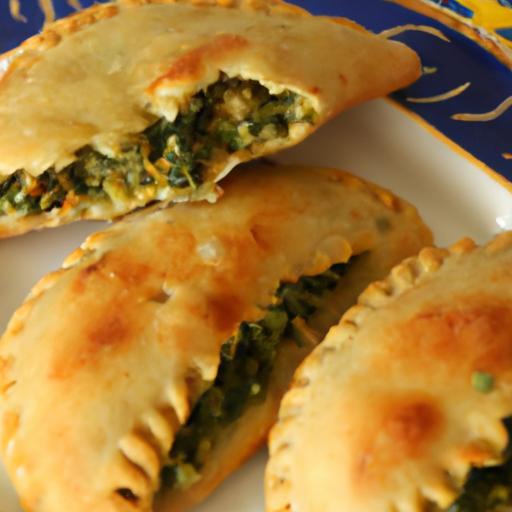
Nestled within the vibrant tapestry of Middle Eastern cuisine, the Lebanese Spinach Fatayer stands out as a beloved savory treasure, captivating taste buds with its delicate balance of flavors and textures. This humble yet exquisite pastry, filled with tender spinach, aromatic herbs, and a whisper of tangy sumac, embodies the rich culinary heritage of Lebanon. Weather enjoyed as a rapid snack, a festive appetizer, or a comforting meal, the spinach fatayer invites food enthusiasts on a flavorful journey through traditions that have been lovingly preserved for generations. Join us as we explore the origins, ingredients, and cultural meaning of this delightful dish that continues to inspire and satisfy across kitchens worldwide.
Lebanese Spinach Fatayer is a delicious culinary treasure weaving history, culture, and vibrant flavors into every flaky bite. Originating from the Levant region, this savory pie has been a beloved staple in lebanese households for generations. More than just a snack, it represents family gatherings, communal celebrations, and the rich agricultural heritage that emphasizes fresh, wholesome ingredients. I fondly recall afternoon tea sessions at my grandmother’s home, where the aroma of freshly baked spinach fatayer filled the air, evoking warmth and a sense of togetherness.
prep and Cook Time
- Preparation: 20 minutes
- Cooking: 25 minutes
- Total Time: 45 minutes
Yield
Yields approximately 12 spinach fatayer-perfect for sharing or enjoying across several meals.
Difficulty Level
Medium: While the dough requires careful handling for perfect flakiness, the filling is straightforward and quick to prepare.
Key Ingredients That Bring Authentic Flavors to Life
- All-purpose flour – provides a tender yet sturdy base for the pastry.
- Fresh spinach - the heart of the filling, offering a vibrant green color and earthy flavor.
- Sumac - a tangy, lemony Middle Eastern spice that brightens the filling beautifully.
- Pine nuts – add subtle crunch and richness.
- Onions and garlic – foundational aromatics that enhance depth.
- Olive oil – imparts silkiness to the dough and enriches the sautéed filling.
- Pomegranate molasses (optional) – a drizzle can elevate the filling with a sweet-tart complexity.
Step-by-Step Preparation Tips for Perfectly Fluffy pastry
- Prepare the dough: In a large bowl, whisk together 3 cups all-purpose flour, sifted, 1 teaspoon salt, and 2 teaspoons sugar.Slowly add 1 cup lukewarm water with ¼ cup olive oil and 1 packet of instant yeast. Stir gently until dough forms.
Tip: Knead on a floured surface for 8-10 minutes until smooth and elastic; let it rise covered in a warm place until doubled in size (about 1 hour). - Sauté the filling: Heat 3 tablespoons olive oil in a pan over medium heat. Add 1 finely chopped onion and 3 minced garlic cloves, cooking until translucent.
Tip: Stir frequently to avoid browning to much, about 5 minutes. - Add spinach and spices: Add 4 cups chopped fresh spinach; cook just until wilted. Remove from heat and mix in 1 teaspoon salt, 1 teaspoon sumac, ½ teaspoon freshly ground black pepper, ¼ cup toasted pine nuts, and a tablespoon of pomegranate molasses if using.Allow filling to cool.
- Shape the fatayer: Punch down the dough and divide into 12 equal balls. Roll each ball into a 5-inch circle. Place 2 tablespoons of filling in the centre.
Tip: fold the edges into a triangular shape by pinching two corners together and then the third, ensuring the filling is sealed but not overly stuffed to prevent bursting. - Bake to perfection: Preheat oven to 375°F (190°C). Arrange fatayer on a parchment-lined baking sheet. Brush tops with a beaten egg for golden finish.
Tip: Bake for 20-25 minutes until golden brown and puffed.
Chef’s Notes and Tips for Success
- For an extra flaky crust, substitute half of the olive oil with melted butter.
- Use fresh spinach when possible, but frozen spinach works if thoroughly drained to prevent soggy filling.
- If the dough feels sticky, let it rest and flour your hands before kneading further.
- Make-ahead: Prepare the filling and dough a day ahead; refrigerate and assemble just before baking.
- Experiment with adding crumbled feta cheese to the filling for a tangy twist.
- For vegan adaptation, skip the egg wash and brush with olive oil rather.
Serving Suggestions and creative Variations to Try at home
Serve Lebanese spinach fatayer warm as part of a mezze platter, accompanied by sides like hummus, tabbouleh, or freshly sliced cucumbers and radishes. A sprinkle of sumac or chopped fresh herbs such as parsley or mint on top adds freshness and visual appeal.For a festive touch, drizzle with pomegranate molasses or serve alongside a cooling yogurt sauce infused with garlic and lemon.
Creative variations include:
- Cheese and spinach: Blend crumbled akkawi or feta cheese into the filling for richness.
- Spicy kick: Add finely chopped chili or a pinch of Aleppo pepper to the mixture.
- Mushroom twist: incorporate sautéed mushrooms for earthiness and depth.
| Nutrient | Per Serving (1 Fatayer) |
|---|---|
| Calories | 210 kcal |
| Protein | 5 g |
| Carbohydrates | 30 g |
| Fat | 7 g |

For those seeking to broaden their Middle Eastern culinary repertoire, you might enjoy exploring our Traditional Lebanese Tabbouleh Recipe. Also, for further insights on the spice sumac and its cultural uses, Britannica offers an excellent overview.
Q&A
Q&A: Lebanese Spinach Fatayer – A Savory Middle eastern Delight
Q1: What exactly is a Lebanese Spinach Fatayer?
A: Lebanese Spinach Fatayer is a delicious savory pastry originating from the heart of Middle Eastern cuisine. Imagine a golden, flaky dough envelope bursting with a vibrant mixture of fresh spinach, tangy sumac, onions, and aromatic spices-each bite delivering a perfect balance of earthiness and zest. It’s a handheld pie that’s as nourishing as it is indeed flavorful, frequently enough enjoyed as a snack, appetizer, or part of a mezze spread.
Q2: How does spinach fatayer differ from other Middle Eastern pastries?
A: While Middle Eastern pastries come in many shapes and flavors, spinach fatayer stands out due to its distinctive triangular shape and fresh, tangy filling. Unlike sweet pastries or meat-filled pies like sambousek,the spinach version highlights the leafy green’s natural flavor,enhanced by sumac’s lemony tang and a gentle seasoning that awakens the palate without overpowering it.
Q3: What ingredients give lebanese Spinach Fatayer its unique flavor profile?
A: The magic lies in the filling: fresh spinach leaves sautéed lightly with onions and garlic, then seasoned with sumac-a key Middle Eastern spice known for its tart, citrusy notes-along with a pinch of salt, pepper, and sometimes pine nuts or lemon juice for extra dimension. The dough is typically soft and tender, with a slight chewiness, providing the perfect vessel for thes vibrant flavors.
Q4: Is Lebanese Spinach Fatayer challenging to make at home?
A: Not at all! While it may seem intricate, fatayer are surprisingly approachable for home cooks. Crafting the dough from scratch adds a rewarding touch, but canned or store-bought dough can work too. The filling is quick to prepare, and shaping the pastries-folding the dough into little boats or triangles-is a fun, almost meditative process. With a bit of practice, you can bring a taste of Lebanese hospitality right to your kitchen.
Q5: When and how are spinach fatayer traditionally served?
A: Spinach fatayer are incredibly versatile-they’re frequently enough served warm alongside other mezze dishes like hummus, baba ganoush, and olives during family gatherings or festive occasions. They also make a satisfying snack on their own, paired with a cup of mint tea or a refreshing yogurt dip.Their portability and robust flavors make them perfect for picnics, lunchboxes, or anytime you crave a savory bite with Middle Eastern flair.
Q6: can spinach fatayer be adapted for dietary preferences?
A: Absolutely! The classic recipe is naturally vegetarian and can easily be made vegan by ensuring no dairy is used in the dough. For gluten-free adaptations, creative bakers can experiment with option flours, though achieving the traditional texture may take some trial and error. Additionally, fillings can be customized by adding ingredients like feta cheese for an extra tang or toasted nuts for crunch, embracing a modern twist on this timeless delight.
Q7: Why should food lovers add Lebanese Spinach Fatayer to their culinary repertoire?
A: As it’s more than just a pastry-it’s a celebration of Lebanese culture, flavors, and hospitality. Each fatayer tells a story of family kitchens passed down through generations, where simple, wholesome ingredients create unforgettable tastes. Trying your hand at making spinach fatayer invites you to explore the rich tapestry of Middle Eastern cuisine, savor nourishing ingredients, and enjoy a savory delight that’s both comforting and exciting.
Dive in, and let the aromatic wonder of Lebanese Spinach Fatayer inspire your next culinary adventure!
Closing Remarks
Whether enjoyed as a snack on a bustling street corner or shared among family around a festive table, Lebanese Spinach Fatayer embodies the heart and soul of Middle Eastern cuisine. This savory pastry, with its delicate balance of tangy spinach, aromatic herbs, and flaky dough, invites both novice cooks and seasoned food lovers to explore a vibrant culinary tradition. As you bite into its golden, crisp exterior, you’re not just tasting a dish-you’re savoring centuries of culture, warmth, and the simple joy of good food. So next time you crave a bite of something both comforting and exotic,let Lebanese Spinach Fatayer transport your palate to the lively kitchens and heartfelt gatherings of Lebanon.