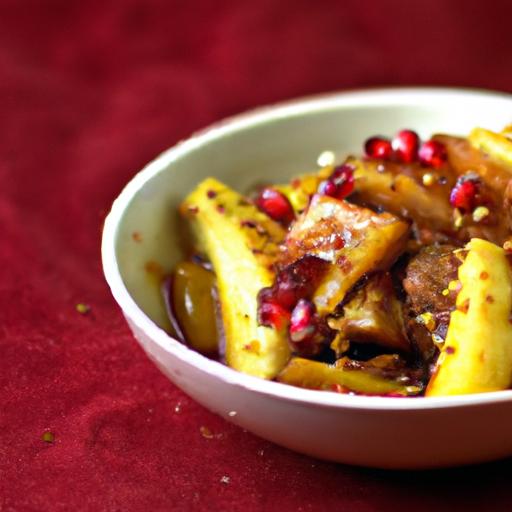

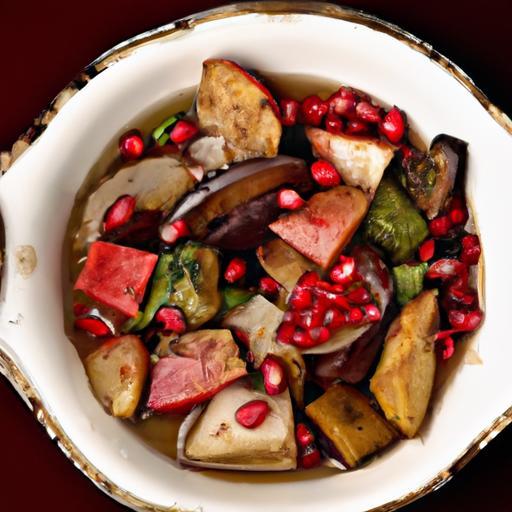
In the heart of Persian cuisine lies a treasure trove of flavors that dance gracefully between sweet and savory, where every ingredient tells a story steeped in history and tradition. Among these culinary gems, the aromatic quince and pomegranate stew stands out-a vibrant tapestry of taste and aroma that captivates both the palate and the imagination. This dish is more than just a meal; it is an experience, a fragrant journey through orchards and spice markets, where the tartness of pomegranate mingles with the subtle floral notes of quince.In this article, we unravel the enchanting layers of this timeless Persian stew, exploring its ingredients, cultural roots, and the magic that makes it a beloved classic. Join us as we unveil the flavors that transform simple produce into a feast for the senses.
Aromatic Persian Quince & Pomegranate stew is a vibrant festivity of Persian culinary artistry, where the luscious sweetness of quince meets the tangy brightness of pomegranate, culminating in a symphony of flavors that dance on the palate. This timeless dish, deeply rooted in Persian heritage, unfolds layers of history and culture with each spoonful, inviting home cooks to explore the delicate harmony between sweet and tart that defines classic Persian cuisine.
Prep and Cook Time
- Prep Time: 25 minutes
- Cook Time: 1 hour 15 minutes
- Total Time: 1 hour 40 minutes
yield
- Serves 6 generously
Difficulty Level
- Medium – perfect for adventurous home cooks seeking to master authentic Persian flavors
Ingredients
- 2 medium quinces, peeled, cored, and sliced into wedges
- 1 large onion, finely chopped
- 3 tbsp vegetable oil
- 500g lamb shoulder or stew beef, cut into 1-inch cubes
- 2 cloves garlic, minced
- 1 tsp turmeric powder
- 1 tsp ground cinnamon
- 1/2 tsp ground cumin
- 1 tsp salt, or to taste
- 1/2 tsp black pepper
- 2 cups homemade or store-bought pomegranate juice, unsweetened
- 1 tbsp pomegranate molasses
- 1 tbsp honey (optional, adjust for sweetness)
- 2 tbsp fresh parsley, chopped for garnish
- 1/4 cup toasted slivered almonds or pistachios (optional)
- Water, as needed for simmering
Instructions
- Prepare the quinces: Immediately after peeling and slicing quinces, submerge them in water with a splash of lemon juice to prevent discoloration.
- Sauté the aromatics and meat: In a heavy-bottomed pot, heat the vegetable oil over medium heat. add the finely chopped onion and sauté until golden, about 7-8 minutes. Add turmeric, cinnamon, and cumin, stirring to release their aromas.
- brown the lamb: Add lamb cubes to the pot. Sear until browned on all sides, approximately 5-7 minutes. Stir occasionally to avoid sticking.
- Add garlic and season: Stir in minced garlic, salt, and black pepper. Cook for an additional minute until fragrant.
- Simmer with liquids: Pour in the pomegranate juice and enough water to cover the meat. Bring to a gentle boil, then reduce heat to low, cover, and simmer for 45 minutes.
- Incorporate quinces: drain quince wedges and add to the stew. Stir gently to combine. Continue to simmer uncovered for 25-30 minutes, until quinces are tender and the sauce reduces slightly.
- Balance flavors: Stir in pomegranate molasses and honey to achieve the perfect balance of sweet and tart-adjust sweetness as desired.
- Final touches: Remove from heat. Let the stew rest for 10 minutes to deepen flavors.
- garnish and serve: Sprinkle with fresh parsley and toasted nuts before serving.
Tips for Success
- Quince ripeness: Choose firm quinces with a fragrant aroma; underripe quinces require longer cooking to soften.
- Meat substitution: For a lighter version, try bone-in chicken thighs, adjusting cooking time accordingly.
- Pomegranate syrup tips: If unavailable, reduce pure pomegranate juice by simmering until thickened for an authentic molasses substitute.
- Make-ahead: This stew tastes even better the next day as flavors meld; reheat gently over low heat.
- Accompaniment ideas: Serve alongside fragrant saffron basmati rice or warm persian flatbread to soak up every drop.
- Visual beauty: The vibrant red sauce paired with golden quinces and emerald parsley makes for an irresistible presentation-perfect for special occasions.
Serving Suggestions and Pairings to Elevate Your Culinary Experience
This rich and aromatic Persian quince and pomegranate stew beautifully complements conventional saffron-infused basmati rice, whose subtle floral notes highlight the stew’s fruity complexity. For an elegant touch, garnish with toasted almonds or pistachios, which add crunch and a nutty depth. A crisp Shiraz or a medium-bodied Grenache wine pairs impeccably, balancing sweetness and acidity. for a non-alcoholic option, a chilled mint and lime Persian doogh offers refreshing contrast. To further elevate your dining experience, serve alongside a fresh herb salad with radish and cucumber, drizzled lightly with pomegranate molasses vinegar for a harmonious flavor echo.
| Nutrient | Per Serving |
|---|---|
| Calories | 360 kcal |
| Protein | 28 g |
| Carbohydrates | 22 g |
| Fat | 16 g |

For more Persian culinary treasures, explore our Persian Spices Guide. to dive deeper into pomegranate’s health benefits,visit Healthline’s complete guide.
Q&A
Q&A: Aromatic Persian Quince & Pomegranate Stew – Flavor unveiled
Q1: What makes Persian quince and pomegranate stew stand out among other traditional stews?
A1: This stew is a fragrant symphony of sweet, tart, and savory notes.The quince, with its floral aroma and subtly tangy flesh, pairs beautifully with the luscious, jewel-toned pomegranate molasses. together, they create a uniquely Persian flavor profile that’s both vibrant and comforting, unlike typical meat or vegetable stews.
Q2: how do quince and pomegranate complement each other in this dish?
A2: Quince offers a crisp, tart undertone that softens into a gentle sweetness upon cooking. Pomegranate molasses, thick and tangy, adds depth and acidity, balancing the quince’s fruitiness while enhancing the richness of the meat or vegetables. The interplay between the two ingredients results in layers of taste that feel both exotic and familiar.
Q3: What traditional cooking techniques are used to prepare this stew?
A3: Slow simmering is key.The stew is frequently enough gently cooked over low heat, allowing the quince to melt tender and the pomegranate molasses to infuse every component with its vibrant essence. This patient process unlocks complex aromas, harmonizing spices such as cinnamon, turmeric, and sometimes rosewater, enriching the overall sensory experience.
Q4: Which meats or alternatives work best with this aromatic stew?
A4: Lamb is the classic choice, prized for its hearty flavor that stands up to the fruity acids. However, chicken or beef can also shine here. For vegetarian variations, root vegetables, eggplant, and mushrooms absorb the stew’s fragrant juices beautifully, creating a succulent plant-based dish with no compromise on depth or aroma.
Q5: Can this stew be adapted for modern palates or dietary needs?
A5: Absolutely! The essence lies in balancing sweet and sour. For low-sugar diets,you can reduce pomegranate molasses or substitute with unsweetened cranberry juice concentrate. Experiment with spices to suit your preference-adding a touch of smoked paprika or a pinch of cayenne can introduce a contemporary twist without losing the Persian soul.
Q6: What beverages pair well with Persian quince and pomegranate stew?
A6: Think bright and refreshing to contrast the stew’s richness-dry white wines with crisp acidity, like Sauvignon Blanc, work wonderfully. For non-alcoholic options, rosewater-infused iced teas or pomegranate sherbets echo the dish’s flavors, creating a cohesive and enchanting dining experience.Q7: Why incorporate quince, given its lesser-known status in Western kitchens?
A7: Quince is a treasure trove of fragrance and flavor, often overlooked outside Middle Eastern and Mediterranean cuisines. Its natural pectin and aromatic compounds elevate dishes far beyond ordinary fruit additions. Including quince not only honors Persian culinary heritage but invites a sensory exploration that’s both novel and nostalgically comforting.
Q8: How does the stew reflect Persian culinary beliefs?
A8: Persian cooking celebrates balance-between sweet and sour, soft and firm, earthiness and brightness.This stew embodies that harmony, marrying indigenous ingredients to create dishes that nourish body and soul. It’s a tasty reminder that food can be an art form, where each bite tells stories of culture, seasonality, and heartfelt tradition.
Concluding Remarks
As the final simmer softens the melding spices and the tangy sweetness of quince dances with the vibrant burst of pomegranate, this stew unfurls a tapestry of Persian flavors that is both timeless and deeply comforting. Aromatic Persian Quince & Pomegranate Stew is more than a dish-it’s a sensory journey that invites you to savor the art of balance, tradition, and culinary storytelling. Whether you’re a seasoned cook or a curious palate, unveiling these layered tastes offers a delicious glimpse into the heart of Persian cuisine, where every ingredient sings and every bite tells a story. So, next time you seek a meal that warms the soul and excites the senses, let this stew guide you to new, unforgettable flavors.