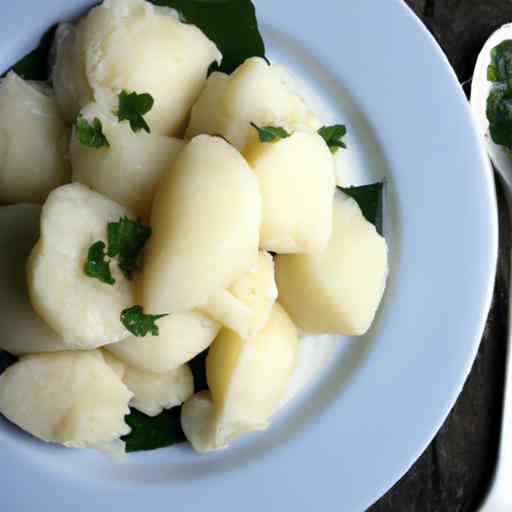

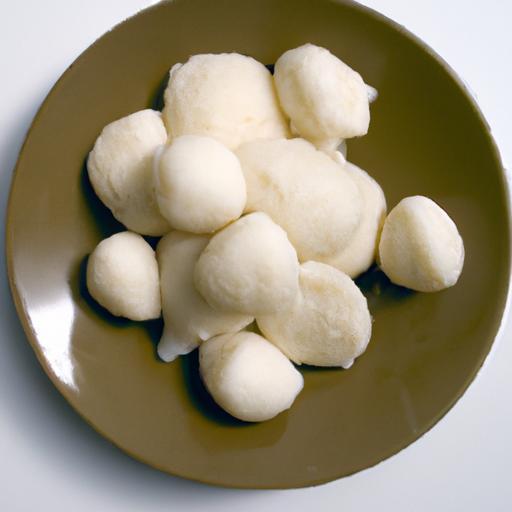
In the vibrant tapestry of Rwandan cuisine,one humble dish weaves together history,culture,and sustenance with remarkable simplicity: Ubugali,the beloved cassava dough. More than just a staple, Ubugali embodies the heartbeat of Rwandan tradition-a culinary thread passed through generations that nourishes both body and spirit. As cassava flour transforms into a soft, hearty dough under loving hands, it tells a story of resilience, community, and the enduring connection between people and their land. Join us as we explore the rich heritage behind Rwandan Ubugali, uncovering how this seemingly modest dish holds a place of profound significance in the nation’s identity and daily life.
Origins and cultural Significance of Rwandan Ubugali
Rwandan ubugali is more than just a staple cassava dough; it’s a vibrant emblem of community,tradition,and resilience.Rooted deeply in Rwanda’s agrarian culture, ubugali has served as a humble yet hearty accompaniment at family meals, village gatherings, and customary ceremonies for centuries. passed down orally from generation too generation, this dish captures the spirit of rwandan hospitality and resourcefulness, especially in regions where cassava thrives as a vital crop.
Through the seasons of harvest and hardship,Rwandan Ubugali has symbolized sustenance and unity,often shared with rich stews,beans,or leafy greens. It’s not only a culinary icon but also a cultural cornerstone, embodying the connection between the land and its people.
Step by Step Guide to Preparing perfect Cassava Dough
Rwandan Ubugali preparation is straightforward but demands attention and care to achieve the ideal texture: smooth yet firm enough to scoop with fingers. Here’s how to prepare flawless cassava dough with confidence.
prep and Cook Time: 15 minutes prep · 20 minutes cook
Yield: Serves 4
Difficulty Level: Easy
- 4 cups cassava flour (fine texture)
- 4 cups water
- 1 tsp salt
- 1 tbsp vegetable oil (optional, for extra smoothness)
- Boil water: In a large pot, bring 3 cups of water to a rolling boil over medium-high heat. Add salt to enhance flavor.
- Create a slurry: In a separate bowl,mix the cassava flour with 1 cup cold water until you form a smooth batter without lumps.
- Incorporate slurry: Reduce the heat to medium and slowly pour the cassava slurry into the boiling water while constantly stirring with a wooden spatula or cooking stick to prevent clumping.
- Cook the dough: Stir continuously for about 10 minutes. The mixture will thicken and pull away from the pot’s sides. add the remaining 1 cup of water if the dough is too thick; adjust for desired consistency.
- Add oil (optional): Stir in vegetable oil toward the end to add silkiness and help the dough stay moist.
- Shape and rest: remove from heat and shape your dough into a round mound on a serving plate using a wet spoon or hands. Cover and let it rest for a few minutes before serving to allow slight cooling and firming.
Chef’s Notes: Tips for Success
- Use fresh, finely milled cassava flour for a smoother texture.
- If lumps form, vigorously whisk or mash them out with a wooden spoon during cooking.
- For a gluten-free option,ensure cassava flour is pure and uncontaminated.
- Store leftovers in an airtight container; reheat by steaming to restore softness.
- Try substituting part of the water with coconut milk for a richer flavor twist.
Health Benefits and Nutritional Insights of Ubugali
Rwandan Ubugali is not only a comforting culinary staple but also offers valuable nutritional benefits.Cassava flour is naturally gluten-free,making ubugali an ideal option for those with gluten sensitivities or celiac disease.
This dish provides a good source of carbohydrates, making it an excellent energy provider for physically demanding lifestyles. cassava also contains modest amounts of fiber, manganese, and vitamin C, which can support digestion and immune health.
Though predominantly a carb source, pairing ubugali with nutrient-rich sides such as vegetable stews or legumes creates a balanced and wholesome meal.
| Nutrition per Serving | Amount |
|---|---|
| Calories | 230 kcal |
| Protein | 2 g |
| Carbohydrates | 55 g |
| Fat | 1 g (with oil) |
Tips for Sourcing Quality Cassava and Enhancing Flavor
For the most authentic and delicious Rwandan Ubugali, source cassava flour from reputable African or international markets, ensuring it’s finely milled and without fillers.Freshness matters-old or improperly stored flour can become bitter or stale.
Whole cassava root can be peeled, boiled, and pounded fresh for a more traditional approach, but cassava flour simplifies the process considerably. Supplementing with a pinch of salt or a splash of natural fats like palm oil, butter, or coconut oil enriches the flavor and mouthfeel, elevating the humble dough.
For a visual guide and detailed insights into this ingredient, explore this trusted source on cassava nutrition.

To expand your understanding of traditional African staples, see our related article on Traditional African Staple Recipes.
Q&A
Q&A: Rwandan Ubugali – The Heart of Cassava Dough Tradition
Q: What is Ubugali, and why is it significant in Rwanda?
A: Ubugali is a staple food in rwanda, made from cassava flour cooked into a thick, smooth dough. Beyond being a daily meal, it embodies Rwandan culture, history, and resilience. Its simplicity is deceptive; Ubugali is the comforting cornerstone of many communal meals, nourishing both body and spirit.
Q: How is Ubugali traditionally prepared from cassava?
A: The process begins with cassava roots, which are peeled, fermented, dried, and milled into fine flour. This flour is then gradually stirred into boiling water, transforming into a stretchy, dense dough. The rhythmic stirring is almost ceremonial, a tactile connection to generations of cooks who perfected the craft.
Q: why is cassava chosen as the base ingredient for Ubugali?
A: Cassava thrives in Rwanda’s diverse climate, offering a reliable and abundant carbohydrate source. It’s drought-resistant and grows where other crops may struggle, making it vital for food security. Using cassava for Ubugali reflects adaptation and respect for the land’s gifts.
Q: In what ways does Ubugali serve more than just nutritional needs?
A: ubugali is a social glue. Meals involving this cassava dough often gather families and communities, fostering sharing and conversations. It’s customary to break off lumps by hand rather than use utensils, inviting connection and mindfulness in eating. Ubugali also appears in ceremonies and celebrations, symbolizing unity and tradition.
Q: Are there variations of Ubugali across Rwanda or neighboring regions?
A: Yes, while the essence remains consistent-a thick dough made from starch-regional variations exist based on local ingredients and customs.Some might blend cassava with maize or add subtle flavors, but the heart of Ubugali remains a testament to simplicity and sustenance.
Q: How is Ubugali adapting to modern culinary trends?
A: Today, chefs and home cooks alike experiment by pairing Ubugali with innovative sauces or incorporating it into fusion dishes, showcasing its versatility.Nonetheless, the traditional preparation still holds a revered place, reminding everyone of Rwanda’s rich culinary heritage.
Q: What can outsiders learn from the tradition of rwandan Ubugali?
A: Ubugali teaches the beauty of humble ingredients transformed through patience and care. It invites us to appreciate the deep roots of everyday foods and the stories they carry. By embracing Ubugali, one gains insight into Rwanda’s enduring relationship with its land, culture, and community.
insights and Conclusions
As the sun sets over the verdant hills of Rwanda, the humble Ubugali remains a steadfast symbol of heritage, sustenance, and community. More than just cassava dough on a plate, it embodies a living tradition-nourishing bodies and binding generations through its simplicity and soul. In every spoonful of this cherished staple, one tastes the resilience of a people, the richness of their land, and the enduring heartbeat of Rwandan culture. Understanding Ubugali is, in essence, savoring a story etched in earth, hands, and history-a story that continues to thrive at the very heart of Rwanda.