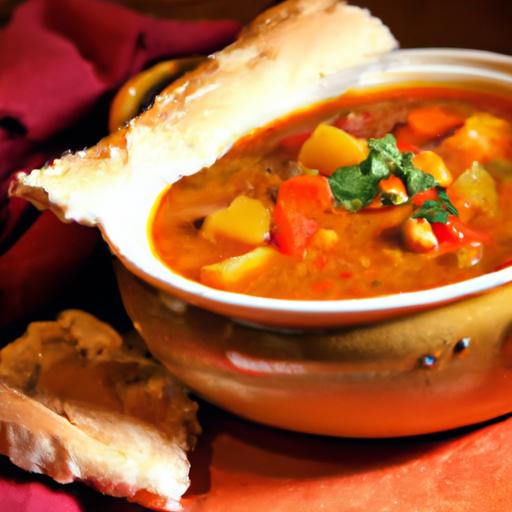

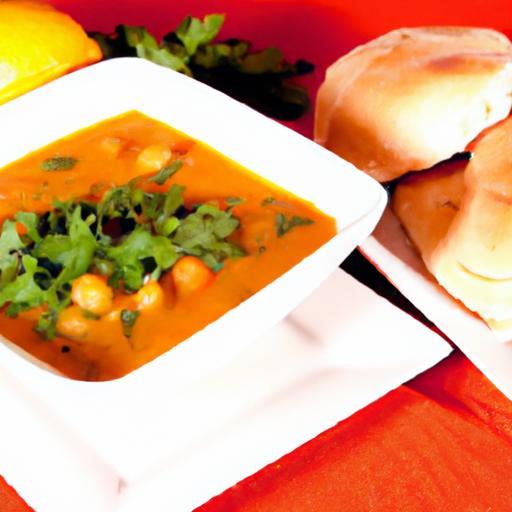
In the bustling souks and tranquil kitchens of Morocco, there simmers a soup that is much more than just a meal-it is a vibrant tapestry of history, culture, and comfort. Harira, with its rich blend of fragrant spices, tender legumes, and succulent meats, has long been a beloved staple that nourishes both body and soul. This heartwarming Moroccan soup not only captivates with its hearty flavors but also tells a story of tradition and togetherness that has been passed down through generations. Join us as we unveil the essence of Harira, exploring the ingredients, rituals, and cultural meaning that make this iconic dish a true taste of MoroccoS culinary heart.
Harira Unveiled: this iconic Moroccan soup holds a revered place in the hearts and homes of Morocco, embodying warmth, tradition, and communal spirit. Originating in the bustling streets of Marrakech and the ancient cities of Fes and Casablanca, Harira is much more than a hearty dish-it’s a cultural symbol of hospitality and the sacred breaking of the fast during Ramadan. Its deeply aromatic spices and rich textures tell stories of centuries-old recipes passed down through generations, inviting families and friends to gather and savor comfort in every spoonful.
Prep and Cook Time
- Preparation: 20 minutes
- cooking: 1 hour 15 minutes
- Total: 1 hour 35 minutes
Yield
Serves 6 to 8 generous portions
Difficulty Level
Medium: Requires patience and layering of flavors but an approachable recipe for home cooks inspired to explore Moroccan cuisine
Key Ingredients and Flavor Profiles that Define Authentic Harira
At the heart of this dish are fresh cilantro and parsley,imparting a verdant brightness,mingling with the earthy warmth of ground cinnamon,fragrant ginger,and sharp ginger powder. Tomatoes simmer down into a luscious base flavored with candied lemon juice and olive oil, while tender lamb or beef brings meaty depth. Chickpeas and lentils enrich the soup with texture and protein, thickened gently with a silk-smooth egg and flour mixture called “tahwira.” A splash of lemon at serving time brightens every bite, balancing savory complexity with gentle citrus notes.
- 2 tbsp olive oil
- 1 large onion, finely chopped
- ½ cup fresh cilantro, chopped
- ½ cup fresh parsley, chopped
- 2 cloves garlic, minced
- 1½ lbs lamb shoulder, cut into small cubes (optional for vegetarian)
- 1 can (15 oz) chickpeas, drained and rinsed
- ½ cup red lentils, rinsed
- 4 large tomatoes, peeled and finely chopped or pureed
- 2 tbsp tomato paste
- 1 tsp ground ginger
- 1 tsp ground cinnamon
- 1 tsp ground turmeric
- ½ tsp black pepper
- salt, to taste
- 6 cups vegetable or lamb broth
- 2 eggs
- 3 tbsp all-purpose flour
- Juice of 1 lemon
Step by Step Guide to Crafting the Perfect Bowl at Home
- Prepare the base: Heat olive oil in a large heavy-bottomed pot over medium heat. Add the chopped onion, garlic, cilantro, and parsley. Sauté until fragrant and translucent, about 7 minutes.
- Add the meat: If using lamb, add cubes now. Brown them gently, about 8-10 minutes, stirring occasionally to prevent sticking.
- Incorporate spices and tomatoes: Stir in ground ginger, cinnamon, turmeric, black pepper, and salt. Pour in the chopped tomatoes and tomato paste. Cook for 10 minutes, stirring, until the tomato mixture thickens and deepens in color.
- Add legumes and broth: Stir in chickpeas and lentils.Pour in the broth and bring the mixture to a boil. Reduce the heat and simmer gently for 45 minutes, or until lentils soften and meat is tender.
- Prepare “tahwira” mixture: In a small bowl, whisk the eggs and flour until smooth.Gradually ladle warm soup broth into the egg-flour blend, whisking continuously to temper it and avoid curdling.
- Thicken the soup: Slowly pour the tempered egg-flour mixture back into the pot while stirring constantly. Continue to simmer for 5-8 minutes over low heat until the soup thickens luxuriously and coats the back of a spoon.
- Final touches: Adjust salt and pepper to taste. Stir in fresh lemon juice for a vivid pop of brightness right before serving.
Chef’s Notes: Tips for Success
- Meat alternatives: for a vegetarian version, simply omit lamb and add extra chickpeas or use vegetable broth.
- Tomato prep: Peeling fresh tomatoes enhances texture, but canned crushed tomatoes work perfectly when pressed for time.
- Thickness control: Adjust the thickness by varying the amount of egg-flour mixture or broth simmered off. Harira is traditionally thick but still spoonable.
- Make ahead: Harira often tastes better the next day once flavors meld. Refrigerate and reheat gently to preserve texture.
- Fresh herbs: Garnishing with extra chopped cilantro or parsley adds vibrant color and freshness right on the plate.
Pairing Harira with customary Sides and Festive Occasions
Harira shines brightest during Ramadan, where its nourishing warmth serves as the perfect harbinger of Iftar-the evening fast-breaking meal. Traditionally, it’s paired with dates that provide a natural sweet contrast, and chebakia, crispy honey-drenched pastries that celebrate the season. Crusty Moroccan bread, khobz, is indispensable for dipping and savoring every drop of soup.
For festive gatherings, serve Harira in beautifully patterned bowls alongside olives, preserved lemons, and a fresh herb salad. The vibrant colors and aromas beckon a shared communal experience, making any occasion feel deeply connected to Moroccan heritage.
Nutritional Information
| Per Serving | Calories | protein | Carbs | Fat |
|---|---|---|---|---|
| Harira Soup | 280 kcal | 18 g | 30 g | 8 g |

Discover more about vibrant Moroccan flavors in our Moroccan Spices Guide and explore the rich culinary heritage of the region. For an in-depth history of Harira and Moroccan cuisine, visit Britannica’s Moroccan Cuisine page.
Q&A
Q&A: Harira Unveiled – The Heartwarming Taste of Moroccan Soup
Q1: what is Harira, and why is it considered the heart of Moroccan cuisine?
A1: Harira is a traditional Moroccan soup, rich in history and flavor, often described as the soul of Morocco’s culinary heritage. It combines a fragrant blend of tomatoes, lentils, chickpeas, herbs, and tender meat, usually lamb or beef, simmered into a comforting stew. Its warmth and complexity make it more than just a dish-it’s a cultural embrace served in a bowl,especially beloved during Ramadan as a nourishing meal to break the fast.
Q2: What makes Harira different from other soups?
A2: Unlike many soups that focus on simplicity, Harira is a symphony of textures and spices delicately balanced together. It features a unique mix of ingredients like fresh coriander,parsley,cinnamon,ginger,and turmeric,layered with tomatoes and legumes. Additionally, the inclusion of a light chickpea and egg-flour batter called “t’china” (or vermicelli or beaten eggs in some variations) gives Harira its distinctive silkiness and heartiness that sets it apart.Q3: How is Harira traditionally prepared and served?
A3: traditionally, Harira is slow-cooked over several hours, allowing spices and ingredients to meld into a luscious broth that warms body and spirit alike. It’s typically served piping hot, accompanied by fresh dates and chebakia-a honey-drenched sesame pastry-especially during Ramadan. This combination balances savory and sweet, nourishing the fast-breaker fully. In many Moroccan households, sharing Harira is an act of community and hospitality.
Q4: What cultural significance does Harira hold in Morocco?
A4: Harira is more than food; it’s a symbol of hospitality, family, and celebration. It is central during Ramadan but also enjoyed at weddings and gatherings, embodying Moroccan generosity and tradition. Eating Harira is a sensory journey tied to stories, history, and the bonds formed around the table. Its recipe is often passed down through generations, making it a cherished family heirloom.
Q5: Can Harira be adapted for modern palates or dietary needs?
A5: Absolutely! While traditional Harira includes meat, vegan and vegetarian versions substitute it with additional legumes or mushrooms to maintain its hearty profile. Spices can be tweaked to taste, and some cooks experiment by adding rice or noodles for different textures. Despite these adaptations, the heartwarming spirit of Harira-its nourishing warmth and aromatic embrace-remains intact no matter how it’s served.Q6: Where can one experience authentic Harira outside Morocco?
A6: Authentic harira can be found in Moroccan restaurants around the world, often gracing menus of North African or Mediterranean eateries. You might also find it featured at cultural festivals or special Ramadan events. For the adventurous, making Harira at home opens a window into Moroccan culture-a delicious way to connect with the country’s rich culinary artistry.
Whether you’re tasting Harira for the first time or returning to a beloved classic, this moroccan soup offers a heartfelt, lingering warmth that comforts and connects. It’s a bowlful of history, culture, and care-Harira unveiled indeed.
Key Takeaways
As the final spoonful of Harira warms your soul,you begin to understand why this Moroccan soup is so much more than a meal-it’s a rich tapestry of history,culture,and comfort blended into one fragrant bowl. From bustling souks to quiet family kitchens, Harira carries the essence of Morocco’s heritage, inviting everyone to share in its heartwarming tradition.whether enjoyed during ramadan or on a chilly evening, this soup remains a timeless reminder that food is not just nourishment for the body, but also a celebration of connection and community. So next time you crave something deeply comforting, let Harira unveil its story and flavor, wrapping you in a delicious embrace that echoes through centuries.