
Nestled along teh winding rivers and bustling markets of the Congo lies a culinary treasure that crisps to golden perfection and bursts with rich, savory flavor: Makayabu fried fish.This beloved dish, a staple in Congolese kitchens, marries tradition with simplicity, transforming everyday ingredients into a crispy delight that captures the heart and palate alike. In this exploration of makayabu, we dive into the origins, preparation, and cultural significance of this iconic fried fish, unveiling why it continues to enchant food lovers both within and beyond the borders of the Congo.Join us as we journey through the sizzling pans and fragrant spices,discovering the story behind every crunchy bite.
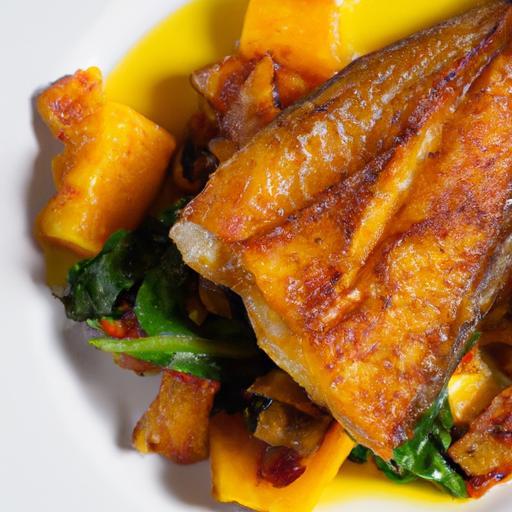
Congolese Makayabu Fried Fish is a treasured culinary gem that beautifully encapsulates the vibrant flavors and cultural richness of the Congo. This crispy delight takes you on a sensory journey, balancing the tangy, fragrant marinade with the satisfyingly crunchy texture of perfectly fried Makayabu fish. Rooted deeply in Congolese coastal traditions, this dish celebrates communal gatherings and festive occasions, while its preparation reflects the artistry and patience honed through generations.
Prep and Cook Time
- preparation: 20 minutes
- Marinating Time: 2 hours (minimum)
- Cooking Time: 15 minutes
- Total Time: 2 hours 35 minutes
Yield
- Serves: 4 hearty portions
Difficulty level
- Medium – ideal for those ready to take their frying skills to the next level
Ingredients
- 1.5 lbs Makayabu (salted and dried mackerel), soaked and rinsed
- 2 medium ripe tomatoes, finely chopped
- 1 medium onion, thinly sliced
- 3 cloves garlic, minced
- 1-inch piece fresh ginger, grated
- 2 tablespoons tamarind paste (for that authentic tangy punch)
- 2 tablespoons palm oil or vegetable oil
- 1 teaspoon smoked paprika (adds subtle warmth and color)
- 1 teaspoon freshly ground black pepper
- Salt, to taste (optional, depending on fish saltiness)
- Fresh lemon juice, from 1 lemon
- 1 cup all-purpose flour, sifted (for dredging)
- Vegetable oil, for deep frying
- Fresh parsley or cilantro, for garnish
Instructions
- Prepare the Makayabu: If your Makayabu is salted and dried, soak the fish in cold water for at least 2 hours to remove excess salt and rehydrate it. Change the water once or twice during soaking,then rinse and pat dry.
- Make the marinade: In a bowl, combine the chopped tomatoes, sliced onion, minced garlic, grated ginger, tamarind paste, palm oil, smoked paprika, and black pepper.Stir until well blended. Add lemon juice for freshness and adjust salt carefully as the fish is already salty.
- Marinate the fish: Gently toss the Makayabu pieces into the marinade, ensuring each piece is fully coated. cover and refrigerate for at least 2 hours, allowing the flavors to infuse deep into the fish.
- Heat the oil: Choose a heavy-bottomed skillet or deep fryer and heat vegetable oil to 350°F (175°C).Use enough oil to submerge the fish pieces for even frying.
- Prepare for frying: remove the fish from the marinade, letting excess marinade drip off. Dredge each piece lightly in sifted all-purpose flour to create a delicate crust.
- Fry the fish: Carefully lower the coated Makayabu into the hot oil. Fry in batches, avoiding overcrowding to maintain oil temperature. Cook until golden brown and crispy on all sides, approximately 4 to 5 minutes per batch. Use tongs to turn gently halfway through cooking.
- Drain and rest: Remove the fish pieces and place them on a wire rack or paper towels to drain excess oil. Resting the fish momentarily helps preserve the crispiness.
- Garnish and serve: Sprinkle with chopped parsley or cilantro and serve promptly for the ultimate textural contrast and flavor burst.
Tips for Success
- For an even more tender fish, soak Makayabu overnight in cold water, changing water regularly to reduce saltiness.
- In tropical climates, use palm oil for authentic smokiness; alternatively, vegetable oil works well for frying with a neutral flavor.
- Ensure oil temperature stays steady-too low makes fish greasy, too high burns the crust. Use a kitchen thermometer for accuracy.
- To intensify the tang, add a splash of tamarind juice just before frying.
- Leftovers can be reheated in a hot oven (400°F/200°C) on a wire rack for 5-7 minutes to restore crispiness.
Serving Suggestions to elevate Your Makayabu Experience
Pair this crispy delight with fried plantains for a sweet and savory balance, or alongside a fresh avocado and tomato salad for cooling contrast. A side of fluffy white rice or cassava fufu can also beautifully complement the bold flavors. Garnish with lemon wedges and a drizzle of spicy chili sauce for those who crave extra heat. For drinks, light, citrus-infused beverages enhance the zest of Makayabu perfectly.

| Nutrient | Per Serving |
|---|---|
| Calories | 320 kcal |
| Protein | 28 g |
| Carbohydrates | 8 g |
| Fat | 18 g |
Explore more customary Congolese recipes to expand your culinary journey, including hearty Chikwangue (cassava bread), which pairs beautifully with this Makayabu dish.
Q&A
Q&A: Crispy Delight – Exploring Congolese Makayabu Fried Fish
Q1: What is Makayabu, and why is it so beloved in Congolese cuisine?
A1: Makayabu is dried and salted fish-usually cod-that undergoes a unique preservation process, giving it a rich, intense flavor. In Congolese kitchens, it’s more then just an ingredient; it’s a culinary treasure passed down through generations. Loved for its bold taste and versatility, Makayabu adds a savory depth to dishes, making it a cornerstone of Congolese gastronomy.
Q2: How is Makayabu prepared before frying?
A2: preparation is an art in itself. the salted fish is first soaked in water, frequently enough several times, to remove excess salt and rehydrate the flesh. Once softened, it’s gently patted dry and sometimes briefly boiled or steamed. This process balances the saltiness and ensures the fish crisps beautifully when fried, creating that signature crunchy exterior with a tender inside.
Q3: What makes the frying technique of Makayabu unique?
A3: Frying Makayabu is all about achieving the perfect crisp without drying out the fish. Typically, the fish is fried in hot oil until golden brown, with attention paid to temperature and timing. The result? A crackling, golden crust that gives way to juicy, flavorful meat. Sometimes, spices like garlic, ginger, or chili are added to the oil or marinade, imbuing the fish with extra layers of aroma and heat.
Q4: What traditional Congolese sides typically accompany makayabu fried fish?
A4: Makayabu shines alongside hearty staples like fufu-made from cassava, yam, or plantains-and nganda (a thick cassava leaf stew). These sides soak up the crispy fish’s savory oils and rich flavors, creating a balanced and deeply satisfying meal that reflects the vibrant diversity of Congolese palate and culture.
Q5: How does Makayabu fried fish represent Congolese culture?
A5: Beyond its appetizing taste, Makayabu fried fish is a cultural ambassador. It tells a story of ancestral preservation techniques, coastal trade history, and communal dining traditions. sharing a plate of crispy makayabu sparks connection-bringing families together to celebrate both heritage and the joy found in food.
Q6: Can Makayabu be reinvented in modern cuisine?
A6: Absolutely! While deeply traditional, Makayabu’s bold flavor and texture invite creativity. Chefs today experiment by incorporating it into fusion dishes, salads, or even tacos, marrying Congolese tradition with global trends. Whether served street-style or plated elegantly, Makayabu’s crispy delight continues to inspire new culinary adventures.
Dive into the world of Makayabu and discover why this crispy, flavorful fish holds a special place not just on plates, but in the hearts of Congolese people worldwide.
Closing Remarks
As the golden crust of Makayabu crunches beneath your fork, you’re not just savoring a dish-you’re tasting a rich tapestry of Congolese culture, history, and culinary artistry. This crispy delight is more than fried fish; it’s a vibrant story told through spices, tradition, and shared meals. Whether you’re a seasoned food lover or a curious traveler of flavors, makayabu invites you to dive deeper into the heart of Congo’s coastal heritage. So next time you crave something crispy and full of soul, remember that each bite of Makayabu is a flavorful journey waiting to be explored.