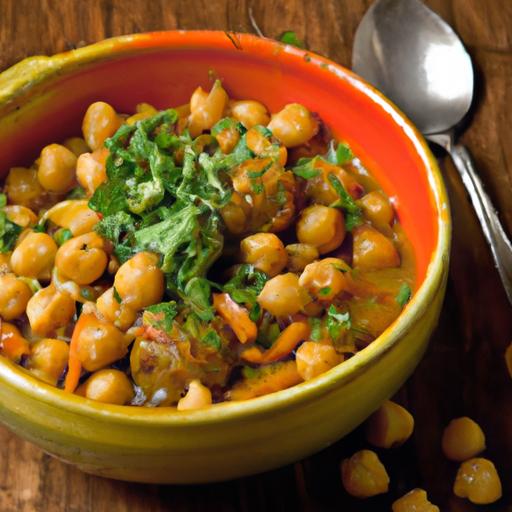

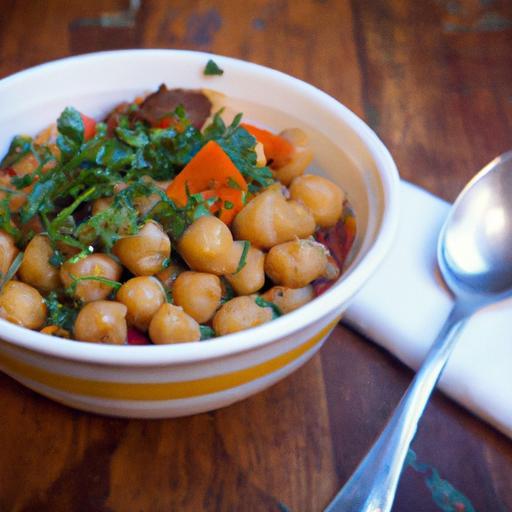
Nestled within the vibrant tapestry of Eritrean cuisine lies a humble yet profoundly flavorful dish that tells a story of tradition, community, and resilience: Shiro.this chickpea stew, rich in aroma and history, is more than just a staple on Eritrean tables-it’s a celebration of simple ingredients transformed through skillful preparation into a comfort food that warms the soul. From the bustling markets where spices are freshly ground to family kitchens where meals are shared amid laughter, Eritrean shiro invites food lovers on a sensory journey into a culture where every bite carries the essence of heritage. In exploring this beloved stew,we uncover not only its unique blend of flavors but also the deep-rooted cultural connections that have kept the Shiro tradition alive for generations.
Eritrean Shiro is a deeply cherished chickpea stew that offers far more than just nourishment-it embodies the heart of Eritrean communal dining and centuries-old culinary traditions. This flavorful dish, often enjoyed during festive gatherings or the peaceful moments of breaking a fast, has roots tracing back to the Horn of Africa, where its simplicity meets layers of bold, earthy warmth. Its thick, velvety texture and aromatic spices create a sensory experience that makes every bite memorable, inviting both newcomers and seasoned food lovers to explore Eritrea’s vibrant cuisine.
Prep and Cook Time
- Preparation: 10 minutes
- Cooking: 40 minutes
- Total Time: 50 minutes
Yield
- Serves 4 generously
Difficulty Level
- Easy to Medium - perfect for adventurous home cooks aiming to recreate authentic Eritrean flavors
Key Ingredients and Their Role in Developing Deep flavors
The essence of this chickpea stew is captured in a handful of thoughtfully selected ingredients, each contributing distinct notes to the final dish.
- Shiro Powder (Ground Chickpea Flour): The cornerstone of the stew, providing its silky body and nutty undertones. Traditionally roasted to enhance flavor depth.
- Berbere Spice Blend: A fiery and fragrant combination of chili peppers, garlic, fenugreek, ginger, and more that delivers the signature heat and complexity.
- Onions and Garlic: Slowly sautéed to develop sweetness and richness that form the stew’s savory base.
- olive or Niter Kibbeh (Spiced Clarified Butter): Adds lush, buttery notes and a hint of warming spices, elevating the stew’s aroma and texture.
- Water or Vegetable Broth: Used to gently hydrate the shiro powder, creating that unmistakably smooth and luscious consistency.

Step-by-Step Guide to Crafting an Authentic Eritrean Shiro
- Heat the fat: In a medium saucepan, warm 3 tablespoons of niter kibbeh or olive oil over medium heat until shimmering.
- Sauté aromatics: Add 1 finely chopped medium onion and 3 minced garlic cloves; cook slowly for 10 minutes until soft and golden, stirring often to prevent burning.
- Infuse spices: Stir in 2 tablespoons of berbere spice and cook for another 2 minutes to awaken the flavors and release their fragrant oils.
- Mix the base: Gradually whisk in 1 cup of shiro powder with 2 cups of warm water or vegetable broth, ensuring a smooth, lump-free mixture.
- Simmer gently: reduce heat to low and cook the stew for 20-25 minutes, stirring occasionally, allowing it to thicken to a creamy, porridge-like texture.
- Adjust seasoning: Taste and season with salt as needed; add a dash of lemon juice if you prefer a subtle tang to brighten the palate.
- Finish and serve: Garnish with fresh chopped herbs like parsley or cilantro and a drizzle of extra spiced butter before plating.
Tips for Perfecting Texture and Pairing with Traditional Sides
Mastering the silky texture of eritrean Shiro is all about balance and patience:
- Whisk the shiro powder slowly into warm liquids to avoid clumps and maintain smoothness.
- Use a non-stick saucepan and low heat to prevent sticking or burning, stirring frequently.
- For a richer taste, substitute water with homemade vegetable broth or add a splash of coconut milk for creaminess.
- Pair the stew traditionally with injera, a spongy fermented flatbread, perfect for scooping up every savory morsel.
- Complement with freshly sliced raw onions, tomatoes, or a tangy injera recipe to embrace the full Eritrean dining experience.
Ingredients
- 1 cup shiro powder (ground chickpea flour)
- 3 tbsp niter kibbeh or extra virgin olive oil
- 1 medium onion, finely diced
- 3 garlic cloves, minced
- 2 tbsp berbere spice blend
- 2 cups warm water or vegetable broth
- Salt to taste
- Optional: Juice of ½ lemon, fresh parsley for garnish
Instructions
- Warm the fat: Heat niter kibbeh or olive oil in a saucepan on medium until shimmering.
- Sauté onion and garlic: Cook gently until translucent and fragrant, about 8-10 minutes.
- Add berbere: Stir in the spice blend, cooking briefly to release aromas.
- Incorporate shiro powder: Slowly whisk into the warm broth or water, stirring constantly.
- Simmer: Reduce heat to low and stir regularly for 20-25 minutes, ensuring creamy consistency.
- Season and finish: Salt to taste, add lemon juice if desired, then garnish before serving.
Chef’s Notes
- Substitute shiro powder with finely ground split peas or lentils for a variation that remains true to the dish’s spirit.
- for a vegan-pleasant option, swap niter kibbeh with a neutral vegetable oil.
- Make ahead: Shiro thickens as it cools; reheat gently with water or broth to loosen before serving.
- If the stew is too thick, gradually add warm liquid rather than cold to avoid lumps.
Serving Suggestions
This comforting stew shines when served hot with traditional Ethiopian or Eritrean injera. Tear off pieces of the spongy bread and use it to scoop up the warm, spiced shiro. Garnish with freshly chopped parsley or cilantro to add a herbaceous touch. For added texture, consider a side of sautéed greens or a simple salad with fresh tomatoes and onions drizzled in a light vinaigrette.
| Nutrient | Per Serving |
|---|---|
| Calories | 280 kcal |
| Protein | 12g |
| Carbohydrates | 34g |
| Fat | 10g |
Discover more authentic African dishes to complement your culinary journey with our complete Ethiopian & Eritrean cuisine guide. for detailed information on berbere spice, visit Britannica.
Q&A
Q&A: Eritrean Shiro - A Flavorful Chickpea Stew Tradition
Q1: What is Eritrean Shiro?
A: Eritrean Shiro is a beloved traditional stew made primarily from powdered chickpeas, slow-cooked with fragrant spices. It’s a staple comfort dish in Eritrea, known for its rich, velvety texture and warm, earthy flavors that invite you into the heart of Eritrean cuisine.
Q2: How does Shiro differ from other chickpea dishes?
A: Unlike hummus or falafel, which use whole or mashed chickpeas, Shiro relies on finely ground chickpea flour or roasted and powdered chickpeas.This gives it a smooth, almost creamy consistency. The depth of flavor comes from a carefully balanced spice blend, frequently enough including berbere-a spicy chili and spice mix uniquely Eritrean and Ethiopian.
Q3: What makes Shiro so special in Eritrean culture?
A: Shiro is more than just food; it’s a communal experience. It is indeed commonly served during special occasions, fast days, and family gatherings, usually scooped up with injera, the traditional Eritrean sourdough flatbread. Eating Shiro encourages togetherness, where sharing food is an expression of hospitality and warmth.
Q4: What spices and ingredients give eritrean Shiro its unique flavor?
A: Key ingredients often include garlic, onions, berbere spice, and sometimes tomato paste, all simmered gently with chickpea powder in water or broth. The berbere’s smoky heat and aromatic warmth are what make Shiro uniquely vibrant, balanced by the creamy chickpeas.
Q5: Can Shiro be made vegan or gluten-free?
A: Absolutely! Traditional Shiro is naturally vegan, as it relies on plant-based ingredients.It’s also gluten-free since chickpea flour and injera made from teff flour (a gluten-free grain) are the bases. this makes Shiro a perfect dish for many dietary preferences, combining flavor with inclusivity.
Q6: how is Shiro traditionally served?
A: Shiro is typically ladled onto injera, the spongy and slightly tangy flatbread that doubles as a utensil. Diners tear off pieces of injera to scoop up the stew. This tactile dining experience creates a delightful interplay of texture and taste, connecting eater and dish intimately.
Q7: Can I make Eritrean Shiro at home? Any tips?
A: Definitely! Start with good-quality chickpea flour and a fresh berbere mix. Slowly cook the spices in oil to release their aromas before adding the chickpea powder and liquid. Stir constantly to achieve that perfect creamy consistency.Pair it with injera, if you can find it, or a simple flatbread to enjoy an authentic taste of Eritrea’s culinary heritage.
Q8: Why should food lovers explore Eritrean Shiro?
A: Eritrean Shiro offers a delicious gateway into East African flavors-heartwarming, spicy, and deeply satisfying. It’s a dish that celebrates simplicity elevated by tradition and spice. Trying Shiro is like tasting a story centuries in the making, a stew that unites flavor, culture, and community in every bite.
Key Takeaways
As the rich, aromatic spices of Eritrean Shiro gently unfold on the palate, they tell a story far beyond a simple chickpea stew.This dish is a vibrant thread woven into the cultural tapestry of Eritrea-one that honors tradition, community, and the art of soulful cooking. Whether savored at a bustling family gathering or prepared quietly in a home kitchen, Shiro remains a flavorful testament to the warmth and resilience of Eritrean heritage. So next time you dip your injera into that velvety, spiced goodness, remember you’re not just tasting a meal-you’re experiencing a cherished legacy passed down through generations, inviting you to be part of its enduring flavor journey.