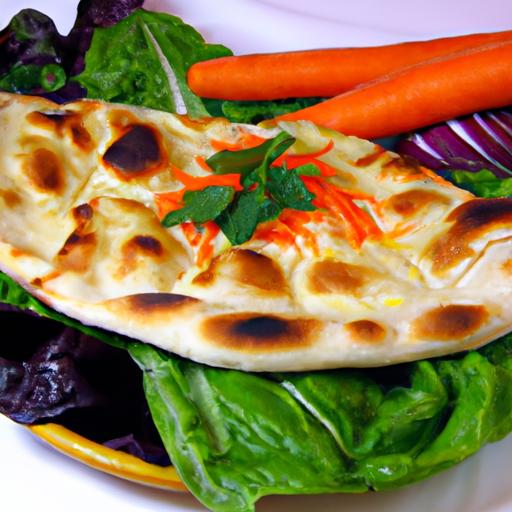

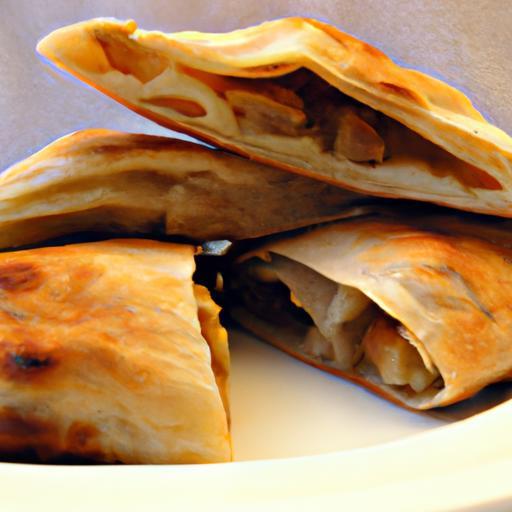
In the bustling markets and sun-drenched kitchens of Algeria,a humble yet unusual culinary treasure awaits finding: the Mhadjeb. This stuffed flatbread,golden and crisp on the outside,conceals a vibrant tapestry of flavors within-spiced tomatoes,onions,and sometimes a medley of herbs and peppers-all folded into a thin,delicate dough. More then just a street food staple, Mhadjeb is a testament to Algerian heritage, a canvas where tradition and creativity intertwine in every bite. Join us as we unravel the art of crafting this beloved flatbread, exploring its origins, techniques, and the cultural stories that make Mhadjeb a flavorful emblem of Algerian identity.
Algerian Mhadjeb is a culinary treasure cherished for its delightful texture and rich, savory fillings. This stuffed flatbread, originating from the heart of Algeria, combines a perfect balance of soft, tender dough with crisp, golden layers that encase vibrant vegetable and spice mixtures. Growing up,the enticing aroma of mhadjeb baking on a hot griddle would gather family and neighbors together,transforming simple ingredients into an irresistible comfort food that transcends meals and becomes a shared cultural experiance.
Prep and Cook Time
- Readiness: 30 minutes
- Resting time for dough: 1 hour
- Cooking time: 20 minutes
- Total time: 1 hour 50 minutes
Yield
Serves 6-8 people (12 medium-sized mhadjeb)
Difficulty Level
Medium – Requires some dough handling and pan-cooking practice
Ingredients
- For the Dough:
- 3 cups all-purpose flour, sifted
- 1 teaspoon salt
- 1 cup warm water (approximate, adjust as needed)
- 2 tablespoons olive oil (plus extra for cooking)
- For the Classic Filling:
- 3 medium ripe tomatoes, finely chopped
- 1 large onion, finely chopped
- 2 cloves garlic, minced
- 1 cup finely chopped bell peppers (red or green)
- 1/2 cup fresh parsley, chopped
- 1 teaspoon ground cumin
- 1/2 teaspoon ground paprika
- 1/4 teaspoon cayenne pepper (optional, for heat)
- salt and black pepper to taste
- 2 tablespoons olive oil
Instructions
- Make the dough: In a large bowl, combine the sifted flour and salt. Gradually add warm water and olive oil, kneading with your hands until a smooth, elastic dough forms. Continue kneading on a floured surface for 8-10 minutes until soft but not sticky. Cover with a clean towel and let it rest for 1 hour to develop gluten and ease rolling.
- Prepare the filling: Heat 2 tablespoons olive oil in a skillet over medium heat. Add onions and garlic,sautéing until translucent,about 5 minutes. Add chopped bell peppers and cook for another 3 minutes.
- Add tomatoes and spices: Stir in chopped tomatoes, cumin, paprika, cayenne (if using), salt, and pepper. Cook the mixture until it thickens and the flavors meld, about 10 minutes. Remove from heat and stir in chopped parsley. Let the filling cool to room temperature.
- Divide the dough: Cut the rested dough into 12 equal portions, rolling each into a ball. Lightly flour your work surface.
- Roll out the dough: Thinly roll each ball into a roughly 8-inch circle. The dough should be thin but not tear easily.
- Fill and fold: Spoon 2 tablespoons of filling onto the center of each dough circle. Fold the edges inward over the filling to form a square parcel, pinching the seams to seal completely.
- Cook the mhadjeb: Heat a large non-stick skillet or griddle over medium-high heat. brush lightly with olive oil. Place the parcels seam-side down to seal. Cook each side for 3-4 minutes until golden brown and crisp, flipping carefully. Press gently with a spatula to encourage even cooking and crispness.
- Serve hot: Remove from heat and let cool for 2 minutes before serving.
Tips for Success
- Hydration is key: Adjust the water quantity to achieve a soft, pliable dough-not too wet nor too dry.
- Rest the dough: Allowing the dough to rest softens the gluten, making it easier to stretch thin without tearing.
- Filling variations: Experiment with ground lamb, spiced potatoes, or cheese blends for exciting twists on traditional flavors.
- Cooking heat management: maintain medium heat; too high will burn the crust before the filling heats through, too low results in soggy flatbreads.
- make ahead: Prepare dough and filling a day ahead; store dough tightly wrapped in the refrigerator and filling in an airtight container.
Serving Suggestions
Mhadjeb pairs beautifully with a simple salad of fresh cucumbers, mint, and lemon juice or a cooling yogurt dip.Garnish with extra parsley or a drizzle of harissa for warmth. Serve alongside traditional Algerian mint tea for an authentic culinary experience.For a street-food vibe,wrap the flatbreads in paper and enjoy freshly cooked as a handheld snack.

| nutrient | Per Serving (1 mhadjeb) |
|---|---|
| Calories | 210 kcal |
| Protein | 5 g |
| Carbohydrates | 32 g |
| Fat | 7 g |
Discover more about North African cuisine in our North African Couscous recipe.For authentic spice blends and their cultural history, check out this Algerian cuisine overview by Britannica.
Q&A
Q&A: Algerian Mhadjeb – Exploring the Art of Stuffed Flatbread
Q1: what is Algerian Mhadjeb?
A1: algerian Mhadjeb is a beloved traditional flatbread that hails from Algeria. It’s a thin, savory crepe-like bread, stuffed with a flavorful mixture of vegetables and spices. often eaten as a snack or light meal, Mhadjeb showcases the rich culinary heritage of Algerian street food.
Q2: How is Mhadjeb different from other types of flatbread?
A2: Unlike plain flatbreads such as pita or naan, Mhadjeb is stuffed and folded before being cooked. Its signature feature is the thinness and softness of the dough paired with a spiced filling, typically made of finely chopped tomatoes, onions, peppers, and sometimes herbs or meat. This combination creates a delightful balance between a chewy outer layer and a savory, aromatic core.
Q3: What ingredients are traditionally used in Mhadjeb filling?
A3: The classic filling is a medley of fresh tomatoes, onions, and green peppers, all finely diced and sautéed with garlic, cumin, paprika, and harissa for a gentle kick. Some recipes add ground beef or lamb to enrich the flavor, while others keep it vegetarian, focusing on the freshness and spice blend.
Q4: Can you describe the process of making Mhadjeb?
A4: Crafting Mhadjeb is an art in both dough preparation and folding technique. Frist, a simple dough of semolina flour, water, and salt is kneaded until smooth and elastic. After resting, the dough is divided into small balls, then stretched or rolled very thin. A spoonful of the fragrant filling is placed in the center, and the dough is carefully folded into a square or triangle to seal in the filling. The stuffed flatbread is then cooked on a hot griddle or cast iron pan until golden and slightly crispy.
Q5: What cultural meaning does Mhadjeb hold in Algerian cuisine?
A5: Mhadjeb is more than just food-it’s a symbol of Algerian hospitality and street culture. It’s commonly sold by vendors in the bustling markets and enjoyed by families during social gatherings. The preparation and sharing of Mhadjeb connects generations, making it a cherished recipe passed down through Algerian households.
Q6: Are there regional variations of Mhadjeb within Algeria?
A6: Absolutely! While the core idea remains consistent, some regions infuse their Mhadjeb with unique twists-adding local herbs like coriander, incorporating eggs into the filling, or using different spice profiles. These subtle differences enrich the diversity of Mhadjeb and reflect Algeria’s vast regional identities.
Q7: How can someone outside Algeria enjoy making Mhadjeb at home?
A7: With a bit of practice, anyone can bring Mhadjeb into their kitchen! The ingredients are accessible globally-semolina flour, fresh vegetables, and common spices. Watching tutorials on dough stretching and folding can be immensely helpful. The key is patience and savoring the process as much as the result-a warm, hearty flatbread bursting with flavor.
Q8: What makes algerian Mhadjeb an exceptional culinary experience?
A8: mhadjeb is exceptional as it harmonizes simplicity and complexity.Its humble ingredients transform into a dish that’s texturally fascinating-crispy edges give way to a tender center,while the spicy,aromatic filling awakens the senses. It’s a culinary snapshot of Algeria’s vibrant flavors and resourceful cooking traditions.
This Q&A offers a window into Algerian Mhadjeb, inviting readers to appreciate and perhaps try their hand at this magnificent flatbread that marries culture, craft, and cuisine.
Concluding Remarks
As the golden layers of algerian Mhadjeb reveal their savory secrets, we come to appreciate not just a simple stuffed flatbread, but a culinary story steeped in tradition, community, and creativity.Each fold and fill is a testament to the artistry passed down through generations, inviting us to savor more than just flavors-but also culture and history. Whether enjoyed fresh from a bustling street vendor or crafted lovingly at home, Mhadjeb remains a delicious symbol of Algeria’s rich gastronomic tapestry, waiting for curious palates to explore and celebrate its humble yet profound charm.