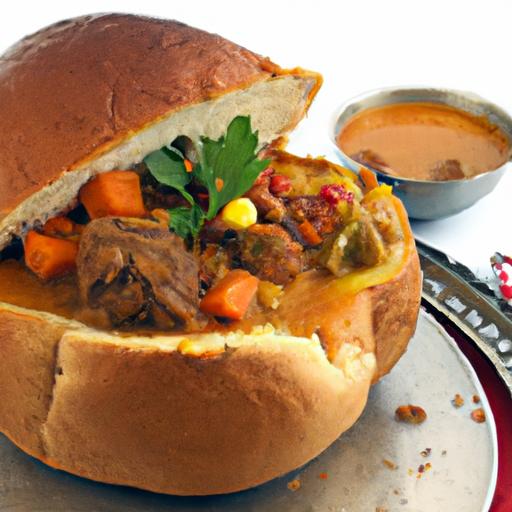

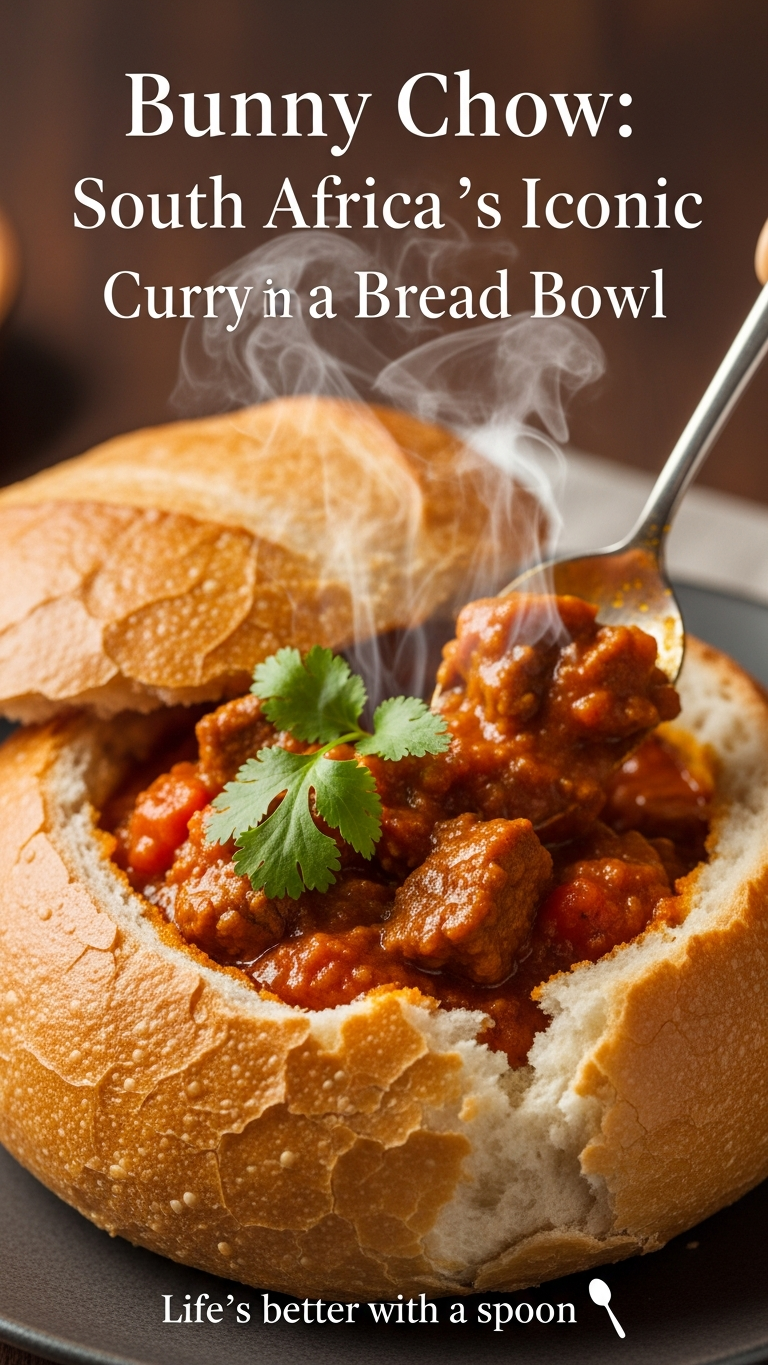
In the bustling streets of Durban, where cultures collide and flavors dance, a culinary creation has emerged that is as vibrant and unique as South Africa itself: the Bunny Chow. More than just a meal, this iconic curry-in-a-bread-bowl tells a story of ingenuity, resilience, and celebration. Born from humble beginnings and steeped in history, Bunny Chow has risen from a simple street food to a beloved national treasure, captivating locals and visitors alike with its hearty filling and unmistakable charm. Join us as we delve into the rich tapestry behind Bunny Chow-exploring its origins, its place in South african culture, and why this unassuming loaf of bread crowned with spicy curry continues to win hearts across the globe.
Bunny Chow is a beloved South African street food that brings together hearty curry and fresh bread in a delightfully practical way. Originating in Durban’s bustling Indian community, this iconic curry in a bread bowl reflects a rich cultural tapestry where flavors, history, and a vibrant communal spirit merge perfectly. It’s not just a meal-it’s an experience that has traveled from humble beginnings to becoming a national favorite across South Africa.
Prep and Cook Time
Preparation: 20 minutes
Cooking: 40 minutes
Total: 1 hour
Yield
Serves 4 generously
Difficulty Level
Medium – approachable for eager home chefs with a taste for spice and hands-on preparation
Ingredients
- 500g boneless chicken thighs, cut into bite-sized pieces
- 2 tbsp vegetable oil (or ghee for richer flavor)
- 1 large onion, finely chopped
- 3 cloves garlic, minced
- 1-inch piece fresh ginger, grated
- 2 tbsp curry powder (preferably Durban-style)
- 1 tsp ground turmeric
- 1 tsp ground coriander
- 1 tsp garam masala
- 1/2 tsp chili powder (adjust to taste)
- 2 medium tomatoes, finely chopped
- 1 cup chicken stock
- 1 medium potato, diced
- Salt to taste
- Fresh cilantro, chopped for garnish
- 1 large loaf white bread (unsliced, crusty bread like a quarter or half loaf)
- Optional: chopped green chilies for extra heat
Instructions
- Prepare the bread bowl: Carefully cut the loaf into quarters (or halves for larger servings). Hollow out each piece by removing the soft bread from the center, leaving a sturdy shell to hold the curry. Save the bread pieces for dipping or to eat alongside.
- Sauté the aromatics: Heat vegetable oil in a large pot over medium heat. Add the chopped onions, and cook until translucent and lightly golden, about 6-7 minutes, stirring regularly.
- Add garlic and ginger: Stir in the minced garlic and grated ginger, cooking until fragrant, about 2 minutes.
- Toast the spices: Sprinkle in the curry powder, turmeric, ground coriander, garam masala, and chili powder. Stir constantly for about 1-2 minutes to release their essential oils without burning.
- Cook the chicken and tomatoes: Add chicken pieces, stirring thoroughly to coat them in the spice mixture. After the chicken starts changing color, fold in the chopped tomatoes and cook until they soften, about 5 minutes.
- Add potatoes and stock: Toss in the diced potato and pour in the chicken stock, covering the chicken and potatoes.Bring to a rolling simmer, reduce heat to low, cover, and let cook for 25-30 minutes, or until the chicken and potatoes are tender, and the curry thickens.
- Season and garnish: Taste for salt and adjust spiciness if needed by adding optional green chilies. Stir gently and sprinkle fresh cilantro on top before serving.
- Assemble and serve: Ladle the steaming hot curry into each hollowed bread bowl. Serve immediatly, preferably with the reserved bread chunks on the side for dipping.
Tips for Success
- Durban Curry Powder: Using an authentic Durban-style curry powder is key to capturing the customary flavor. If unavailable, blend your own using cumin, coriander, fenugreek, and turmeric.
- Make it vegetarian: Substitute chicken with hearty vegetables like butternut squash, chickpeas, or lentils for a fulfilling bunny chow twist.
- Keep bread fresh: Use freshly baked bread with a firm crust to avoid sogginess. Avoid overly dense or sweet loaves.
- Spice levels: Adjust chili powder and fresh chilies carefully to suit your heat tolerance-bunny chow is known for its moderately spicy kick.
- Make-ahead: Curry can be made a day ahead-the flavors deepen beautifully overnight. reheat gently and refresh the bread bowls before serving.
Serving Suggestions
Serve your home-crafted bunny Chow piping hot, paired with cooling condiments like a cool cucumber raita or a simple yogurt dip to balance the spices. A fresh side salad of chopped tomatoes, onions, and coriander also complements the hearty curry beautifully. Garnish with extra fresh cilantro and a wedge of lemon to add brightness. This hands-on dish invites communal eating-encourage guests to tear off bread edges,dip deeply,and savor every morsel of curry.

| Nutrient | Per Serving |
|---|---|
| Calories | 550 kcal |
| Protein | 35 g |
| Carbohydrates | 45 g |
| Fat | 20 g |
For more about South African cuisine highlights, check out our South African Street Food Guide. To dive deeper into the history of Durban’s vibrant Indian culinary heritage, visit SA History Online.
Q&A
Q&A: Bunny Chow – South africa’s Iconic Curry in a Bread Bowl
Q: What exactly is Bunny Chow?
A: Bunny Chow, affectionately known as a “Bunny,” is a hearty South African street food delight-a hollowed-out loaf of white bread filled to the brim with spicy curry. It’s a flavorful fusion of flavors and cultures, served in a convenient edible bowl that’s perfect for eating on the go.Q: Where did Bunny chow originate?
A: Bunny Chow was born in the bustling townships of Durban, South Africa, during the mid-20th century. It emerged from the Indian South african community as an affordable, portable meal for workers. The idea of using bread as a vessel for curry was both practical and inventive.
Q: Why is it called “Bunny Chow”?
A: Despite the name, there’s no bunny or rabbit involved. The term “Bunny” is believed to be a playful corruption of “Bania,” a term for the Indian merchant caste who sold the curry-filled bread. “Chow” simply means food, so Bunny Chow roughly translates to “Bania food.”
Q: What kind of curry is used in Bunny Chow?
A: Traditionally, Bunny Chow is filled with Durban’s famously fiery and flavorful curries-most often lamb, chicken, or mutton. Vegetarian versions with beans, lentils, or vegetables are also popular. The curry is rich with spices like cumin, coriander, turmeric, and chili, lending it an unforgettable kick.
Q: How is the bread prepared for Bunny Chow?
A: A quarter, half, or full loaf of soft white bread is hollowed out just enough to hold a generous amount of curry stew. The removed bread is typically served alongside for dipping, making it a soak-up fest of flavors and aromas.
Q: What makes Bunny Chow so iconic in South Africa?
A: Bunny Chow is more than just a meal-it’s a cultural symbol that reflects South Africa’s diverse heritage.It’s a delicious reminder of Durban’s Indian community and a testament to the country’s love for bold,communal food. Its humble origins and wide appeal have cemented its place as a national culinary treasure.Q: How do people traditionally eat Bunny Chow?
A: Hands down, literally! Bunny Chow is eaten with your fingers, tearing into the bread and scooping out curry, making it an interactive, comforting experience. It’s a food that invites you to slow down and savor every spicy bite.
Q: Can Bunny Chow be found outside of South Africa?
A: While Bunny Chow’s heart beats strongest in Durban and across South Africa, its fame has spread internationally. Some restaurants worldwide serve it as a unique fusion dish, introducing adventurous eaters to this flavorful treasure from the southern tip of Africa.
Q: Is Bunny Chow just street food, or can it be gourmet?
A: Originally street food, Bunny Chow has evolved and now appears on trendy restaurant menus with gourmet twists-think artisanal breads and inventive curries-while still honoring its roots. Whether at a street stall or a stylish eatery,the essence of Bunny Chow’s comforting curry-in-a-bread-bowl remains the same.
Q: What’s the best way to experience Bunny Chow for the first time?
A: Dive in with an open mind and an eager appetite! Seek out a traditional spot in Durban if you can, or find an authentic Indian-South African restaurant near you. Pair the Bunny with a cold beer or a refreshing ginger beer, and enjoy the lively, spicy flavors that tell a rich story in every bite.
To Wrap It Up
From the bustling streets of Durban to the vibrant food festivals across South Africa, Bunny Chow stands as more than just a meal-it’s a flavorful narrative of history, culture, and community. This humble curry served in a hollowed-out loaf of bread encapsulates the ingenuity born from necessity and the rich tapestry of influences that shape South African cuisine. Whether you’re savoring a spicy mutton Bunny Chow or experimenting with a vegetarian twist at home, each bite invites you to partake in a culinary tradition that continues to evolve while honoring its roots. So next time hunger calls, consider reaching for this iconic bread bowl-it’s not just food, it’s an edible story you can taste.