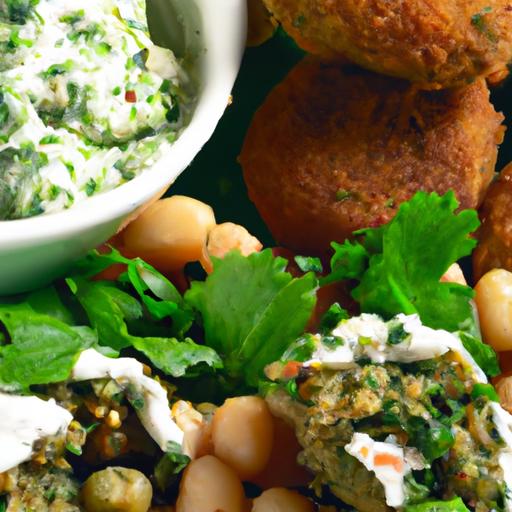

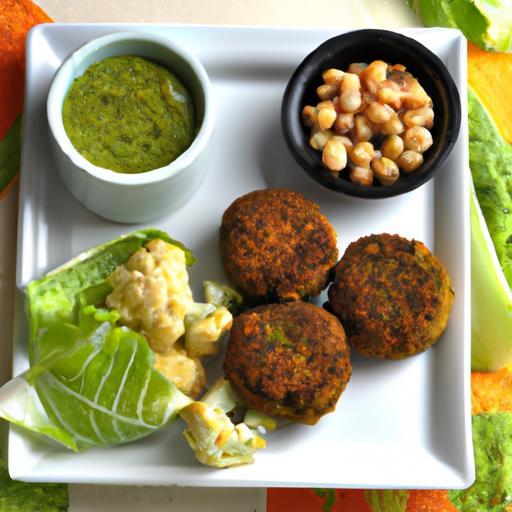
Nestled at the crossroads of history and flavour, Egyptian Ta’ameya offers a vibrant glimpse into a culinary tradition that has delighted taste buds for centuries. Frequently enough mistaken for its more widely known cousin, the falafel, Ta’ameya tells a story rooted in the humble fava bean – a staple of Egyptian kitchens and street stalls alike. This authentic Egyptian delight, with its verdant green hue and herby, earthy notes, invites food lovers on a sensory journey far beyond the usual chickpea patties. In this article, we’ll uncover the secrets behind Ta’ameya’s unique preparation, explore its cultural significance, and reveal why this ancient recipe continues to inspire chefs and hungry travelers around the world. Get ready to discover the rich tapestry of flavors that make Egyptian Ta’ameya an unforgettable taste of the Nile valley.
Discover Egyptian Ta’ameya: The authentic Fava Bean Falafel is more than just a beloved street food; it’s a culinary treasure rooted deeply in Egyptian culture and history. This vibrant,green-infused falafel variant made from fava beans has been a staple in Egyptian homes and marketplaces for centuries,symbolizing tradition,community,and the ingenuity of Egyptian gastronomy.
The Origins and Cultural Significance of Egyptian Ta’ameya
Ta’ameya’s origins trace back to ancient egypt, where fava beans were a dietary cornerstone for thousands of years. Unlike its chickpea-based cousin commonly known worldwide as falafel, Egyptian Ta’ameya uses peeled fava beans, which lend a unique earthy flavor and a delightfully tender texture. Traditionally served as a breakfast or street-food snack, it represents hospitality and the simple yet profound flavors of Egyptian peasant cuisine.For many Egyptians, making Ta’ameya connects them to their heritage, with family recipes passed down through generations.
Key Ingredients that Define Authentic Egyptian Ta’ameya
- 500g dried peeled fava beans – soaked overnight for the perfect texture
- 1 medium onion – finely chopped for subtle sweetness
- 1 bunch fresh parsley – finely chopped for herbal brightness
- 1 bunch fresh cilantro – adds fresh, citrusy notes
- 2 cloves garlic – minced to elevate flavor depth
- 1 tsp ground coriander – essential for authentic aromatic warmth
- 1 tsp ground cumin – imparts earthiness and complexity
- 1 tsp baking soda – ensures fluffy, light texture
- Salt and black pepper to taste – to season perfectly
- Vegetable oil for frying – enough for deep frying until golden
Prep and Cook Time
- Preparation: 12 hours (incl. soaking time)
- Active cooking: 30 minutes
Yield
Approximately 20-25 pieces (serves 4-6)
Difficulty Level
Medium – requires soaking and shaping but straightforward for home cooks
Step-by-Step Guide to Making Customary Egyptian Ta’ameya at Home
- Soak the dried peeled fava beans overnight in cold water. This softens the beans and makes them easier to process.
- Drain and rinse the soaked beans thoroughly.For ideal texture, ensure beans are well drained before blending.
- In a food processor, combine the soaked fava beans with chopped onion, parsley, cilantro, and garlic. Pulse until a coarse, green paste forms. Avoid overprocessing to maintain slight texture.
- Add spices and baking soda: Mix in ground coriander, cumin, salt, black pepper, and baking soda. Baking soda helps lighten the mixture when fried.
- Refrigerate the mixture for 30 minutes. Chilling firms the batter and improves its ability to hold shape during frying.
- Heat vegetable oil in a deep pan over medium-high heat until it reaches 350°F (175°C). Use enough oil for the ta’ameya to float and cook evenly.
- Shape the batter into small oval or round patties using wet hands or a spoon to prevent sticking.
- Fry the patties in batches for approximately 3-4 minutes on each side, or until they develop a crisp, golden-brown crust.
- Drain the cooked ta’ameya on paper towels to absorb excess oil.
- Serve promptly for the best texture and flavor.
Tips for Success
- Use peeled fava beans for authentic texture and color; unpeeled beans will produce a denser falafel.
- Do not cook the beans before blending; soaking only ensures moisture while keeping the batter light and fluffy.
- If mixture feels too loose, add a tablespoon of chickpea flour to help it bind better.
- Maintain consistent oil temperature to avoid greasy or undercooked ta’ameya.
- Make-ahead suggestion: Mix can be stored refrigerated for 24 hours before frying.
- For a healthier option, consider baking or air frying, though traditional deep frying delivers the classic crunch.
Serving Suggestions and Perfect Pairings for an Authentic Ta’ameya experience
Egyptian Ta’ameya is best enjoyed fresh and hot,traditionally wrapped in warm pita bread and complemented with crisp vegetables like tomato slices,cucumbers,and pickled turnips. A generous dollop of tangy tahini sauce or a splash of fresh lemon juice enhances its vibrant flavor profile. For an authentic experience, serve alongside a refreshing Egyptian salad or a bowl of nutty tahini sauce from Britannica.
Garnish with extra chopped parsley and a sprinkle of sumac for that final zing and extra visual appeal. Pair the meal with freshly brewed mint tea or a cool glass of laban (egyptian yogurt drink) to balance the richness.

| Nutrient | Per Serving (4 pcs) |
|---|---|
| calories | 210 |
| Protein | 11g |
| Carbohydrates | 25g |
| Fat | 8g |
Q&A
Q&A: discover Egyptian Ta’ameya – The Authentic Fava Bean Falafel
Q1: What is Egyptian Ta’ameya?
A1: Egyptian Ta’ameya is the classic, traditional falafel made primarily from fava beans rather than chickpeas. It’s a beloved street food in Egypt, celebrated for its vibrant green interior, crispy exterior, and fresh, herbaceous flavor.
Q2: How dose Ta’ameya differ from regular falafel?
A2: While falafel in many parts of the world is made with chickpeas, Egyptian Ta’ameya uses fava beans as its base. This gives it a unique texture and a distinct taste. Plus,Ta’ameya is packed with fresh herbs like parsley,dill,and cilantro,which lend it a radiant green color and an aromatic punch that sets it apart from its chickpea cousin.
Q3: What ingredients make Egyptian Ta’ameya so special?
A3: The magic of Ta’ameya lies in simple, fresh ingredients: soaked fava beans ground into a coarse paste, flavored generously with onions, garlic, cumin, and green herbs. Sometimes leeks or green onions are also added for an extra layer of flavor. The fresh herbs and legumes blend into a fragrant mixture that’s fried to golden perfection.
Q4: How is Ta’ameya traditionally served?
A4: In Egypt, Ta’ameya is typically enjoyed fresh and hot, tucked inside a soft baladi bread (a local pita), spread with creamy tahini sauce, and garnished with crisp salad vegetables or pickles.It’s often eaten for breakfast, lunch, or as a snack, making it a versatile staple.
Q5: Can Egyptian Ta’ameya be made at home?
A5: Absolutely! While the preparation requires soaking and grinding fava beans, the process is straightforward. with a good food processor or mortar and pestle, you can recreate this authentic Egyptian delight in your own kitchen and bring the taste of Cairo’s street markets to your table.
Q6: Why is Ta’ameya meaningful in egyptian culture?
A6: More than just food, ta’ameya is a cultural icon in Egypt. It represents daily life, community, and tradition.Vendors selling Ta’ameya carts are common fixtures in Egyptian neighborhoods, and the dish embodies the country’s love for simple, flavorful, and affordable nourishment.
Q7: What makes Egyptian Ta’ameya a healthy choice?
A7: Packed with plant-based protein, fiber, and fresh herbs, Ta’ameya is a nutrient-rich choice. It’s naturally vegan and gluten-free when enjoyed without bread, and the herbs provide antioxidants and vitamins. Fried to order in vegetable oil, it strikes a tasty balance between indulgence and wholesomeness.
Q8: where can one try authentic Egyptian Ta’ameya outside Egypt?
A8: Authentic Ta’ameya has traveled beyond Egypt’s borders and can be found in Middle Eastern restaurants worldwide, especially those with Egyptian influences. Also,food festivals or specialty markets serving Egyptian cuisine offer a fantastic opportunity to taste this hearty falafel alternative.
Discovering Egyptian Ta’ameya is like unlocking a flavorful secret of Egypt’s culinary heritage – a humble fava bean ball that packs history, culture, and zest into every crispy bite!
Future Outlook
As you’ve journeyed through the rich flavors and heritage of Egyptian Ta’ameya, it becomes clear that this humble fava bean falafel is much more than a simple street food. It’s a culinary emblem of Egypt’s vibrant history, a testament to the artistry hidden in everyday ingredients, and an invitation to savor tradition with every bite. Whether enjoyed piping hot from a bustling Cairo stand or recreated in your own kitchen, Ta’ameya offers an authentic taste of a culture where flavor and history intertwine. So next time you crave a snack with soul, remember the story behind the fava bean falafel-and let each mouthful transport you to the colorful streets of Egypt.