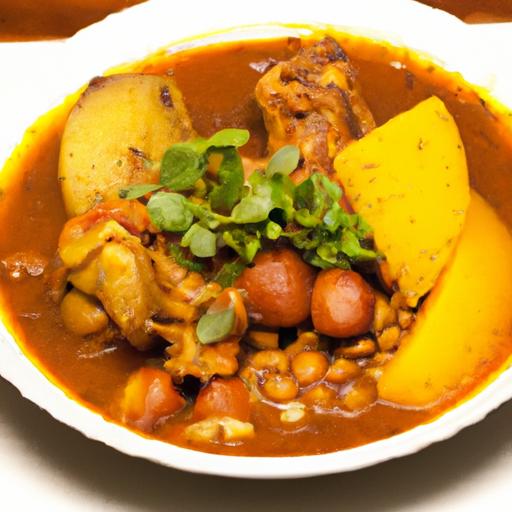

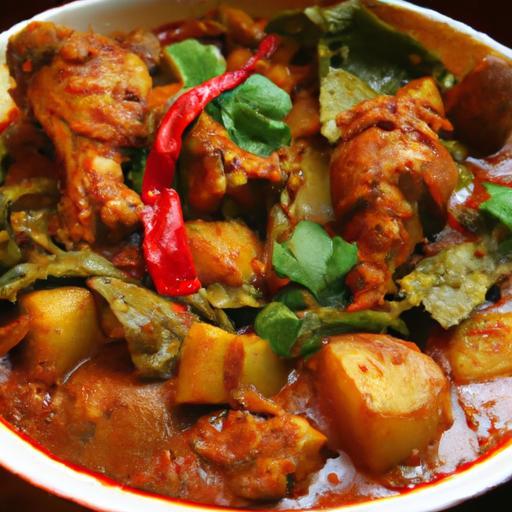
In the heart of ethiopian cuisine lies a dish that ignites the senses and tells a story as rich and vibrant as its flavors-Doro wat.This fiery chicken stew, simmered to perfection with a bold blend of spices and a sumptuous berbere blend, transcends mere comfort food to become a celebration of culture, tradition, and culinary artistry. Journey with us as we uncover the layers of heat, aroma, and history that make Ethiopian doro Wat not just a meal, but an experience that awakens the palate and warms the soul.
Ethiopian Doro Wat: Discover the Fiery Flavors of Spicy Chicken Stew
Ethiopian Doro Wat, a tantalizing spicy chicken stew, embodies the rich, vibrant heart of Ethiopian cuisine.This dish weaves together centuries of tradition, marked by the deep, smoky heat of the Berbere spice blend and the tender embrace of slow-simmered chicken. Each bite tells a story of celebration, family gatherings, and festive seasons, making it as culturally significant as it is tasty. Whether you are new to Ethiopian flavors or a seasoned aficionado, mastering this recipe will bring authentic warmth to your table.
Prep and Cook Time
- Planning: 20 minutes
- Cooking: 1 hour 30 minutes
- Total Time: 1 hour 50 minutes
Yield
Serves 6 hearty portions
Difficulty Level
Medium – Perfect for those looking to explore authentic international flavors with some culinary finesse.
Ingredients
- 2 lbs chicken thighs, skin removed and cleaned, bone-in
- 1 large red onion, finely chopped
- 1/2 cup Berbere spice blend (see recipe below)
- 3 tbsp niter kibbeh (Ethiopian spiced clarified butter) or unsalted butter
- 4 cloves garlic, minced
- 1 tbsp ginger, freshly grated
- 1/4 cup red wine or dry red wine
- 3 hard-boiled eggs (optional, for customary garnish)
- 1 cup low-sodium chicken broth
- salt, to taste
- Freshly ground black pepper, to taste
- Juice of 1 lemon
Mastering the Art of Berbere Spice Blend for Authentic Heat
The soul of Ethiopian Doro Wat lies in its Berbere spice blend, an aromatic and fiery mixture featuring chili flakes, paprika, coriander, fenugreek, and more.Preparing this spice fresh unlocks layers of complexity that elevate your chicken stew to authentic heights. Feel free to adjust the chili intensity to your palate – a true balance of heat and flavor is key to this dish’s magic.
step by Step Guide to Preparing Tender Spicy Chicken stew
- Marinate the chicken: rinse and pat dry the chicken thighs. Toss with lemon juice and a pinch of salt. Set aside while you prepare the onions and spices.
- Sauté onions: heat niter kibbeh in a heavy-bottomed pot over medium heat. Add the chopped onions and cook gently, stirring frequently, until deeply caramelized and almost jam-like in texture-this can take about 15-20 minutes.
- Add garlic and ginger: Stir in the minced garlic and freshly grated ginger, cooking until fragrant, about 2 minutes.
- Incorporate Berbere spice blend: Sprinkle in your carefully measured Berbere. Stir constantly to toast the spices, releasing their aroma, about 3 minutes. Be vigilant to prevent burning.
- Deglaze and simmer: Pour in the red wine, scraping the base of the pot to lift all the flavorful browned bits. Let it reduce slightly for 2-3 minutes.
- Cook the chicken: Nestle the chicken thighs into the sauce, coating them thoroughly. Pour in chicken broth to just cover the pieces.Bring to a simmer, then reduce heat to low, cover partially, and let simmer for 1 hour, stirring occasionally. This slow cooking renders the chicken incredibly tender and allows the spices to fully penetrate.
- Finish with eggs: During the last 10 minutes of cooking, add peeled hard-boiled eggs to the stew to absorb the savory sauce.
- Season and rest: Taste and adjust salt and pepper. Let the stew rest off the heat for 10 minutes before serving to deepen the flavors.
Tips for Success
- Onion caramelization is crucial – patience here is rewarded with depth and sweetness that balances fiery spices.
- Niter kibbeh can be made ahead and stored refrigerated; it enhances flavor dramatically but substitute with unsalted butter if unavailable.
- Use bone-in thighs for juicier results and richer broth.
- Feel free to double the Berbere for extra heat or halve it for a milder stew.
- Make ahead: doro Wat tastes even better the next day as flavors meld-perfect for batch cooking and entertaining.
Pairing Doro Wat with Traditional Sides for a Complete Feast
Traditionally, Doro Wat is served atop injera, a spongy, tangy flatbread made from teff flour. Injera acts as both a plate and utensil, perfect for scooping up the spicy stew. Add a side of gomen (Ethiopian collard greens) and atkilt wat (a mild vegetable stew) for balance. Garnish with fresh cilantro or parsley and a wedge of lemon to brighten the dish.

| Nutrient | Per Serving |
|---|---|
| Calories | 420 kcal |
| Protein | 38 g |
| Carbohydrates | 10 g |
| Fat | 24 g |
Embark on this culinary adventure with the rich traditions of Ethiopia and delight in the fiery, comforting embrace of Doro Wat.For an exploration of more Ethiopian flavors, check out our Vegetarian Wat Recipes to complement your feast.
Q&A
Q&A: Ethiopian Doro Wat – Discover the fiery Flavors of Spicy Chicken Stew
Q1: What is Doro Wat?
A1: Doro Wat is a beloved Ethiopian dish known as a fiery, deeply spiced chicken stew. It’s a cornerstone of ethiopian cuisine, celebrated for its rich, complex flavors that come from a unique blend of spices and slow-cooked tenderness.
Q2: What makes Doro Wat so special compared to other chicken stews?
A2: Unlike typical stews, Doro Wat’s magic lies in its bold use of berbere-a traditional Ethiopian spice blend packed with chili peppers, garlic, ginger, and warming spices like fenugreek and cardamom. Combined with slow-simmered onions and clarified butter called niter kibbeh, the result is a stew that’s smoky, spicy, and satisfyingly thick.
Q3: What ingredients are essential to authentic Doro Wat?
A3: Key players include chicken (often drumsticks or thighs), plenty of finely chopped onions, berbere spice, niter kibbeh (Ethiopian spiced clarified butter), garlic, ginger, and hard-boiled eggs that soak up the sauce’s vibrant flavor. Tomatoes are sometimes added, but the heart of the dish is the fiery onion and berbere base.
Q4: How is Doro wat typically served?
A4: Traditionally, Doro Wat is served atop injera, a sourdough flatbread made from teff flour. Diners use injera to scoop up the stew, making every bite a delightful hand-held flavor explosion. It’s often accompanied by other wats (stews), fresh vegetables, and sometimes spiced lentils for a festive feast.
Q5: Why is Doro wat culturally significant in Ethiopia?
A5: Doro Wat is more than a meal-it’s a social and ceremonial staple. It is often prepared for special occasions, holidays, and family gatherings, symbolizing warmth, hospitality, and communal celebration. The labor-intensive process of making it reflects care and respect for guests.
Q6: Can someone new to spicy food handle Doro Wat’s heat?
A6: While it’s gilded with fiery spices, Doro Wat’s heat can be moderated by adjusting the berbere amount, so beginners can enjoy its rich flavors without overwhelming spice. The creamy richness from niter kibbeh and the mellow bite of eggs also help balance the heat.
Q7: How long does it take to prepare Doro Wat?
A7: Traditionally, crafting Doro Wat can take several hours because the onions are slowly simmered to develop that signature deep caramelization before adding spices and chicken. Patience is key-the slow-cooked technique unlocks the stew’s unparalleled depth of flavor.
Q8: Is Doro Wat suitable for special diets?
A8: Doro Wat is naturally gluten-free (when served with injera made from 100% teff) and high in protein, making it suitable for many diets. However,it’s not vegetarian due to the chicken and butter.Veggie-inspired Ethiopian stews called misir wat (lentil stew) offer plant-based alternatives.
Q9: Any tips for making Doro Wat at home?
A9: Yes! Be generous with your onions and take time to caramelize them well-the flavor base depends on it. Invest in good quality berbere spice or make your own for authenticity. And don’t rush the slow simmer; it’s the secret behind that luscious, thick sauce that defines Doro Wat’s fiery charm.
Q10: Where can one experience authentic Doro Wat outside ethiopia?
A10: Many ethiopian restaurants worldwide serve Doro Wat as their signature dish. Look for places that make injera fresh and prepare their stews from scratch-that’s how you know you’re in for an authentic taste of Ethiopia’s fiery culinary heritage.
To Wrap It Up
From the sizzling sauté of berbere spices to the rich, tender embrace of slow-cooked chicken, Ethiopian Doro Wat beckons adventurous palates to experience a stew that’s as vibrant in history as it is indeed in flavor. This fiery dish is more than just a meal-it’s a celebration of Ethiopia’s culinary heritage,inviting you to savor the intricate dance of heat,aroma,and tradition with every spoonful.Whether you’re a seasoned spice lover or a curious newcomer, diving into Doro Wat promises not just nourishment, but a flavorful journey into the heart of Ethiopian culture.So, gather your ingredients, ignite your stove, and let this iconic stew transform your kitchen into a gateway to authentic, spicy bliss.