

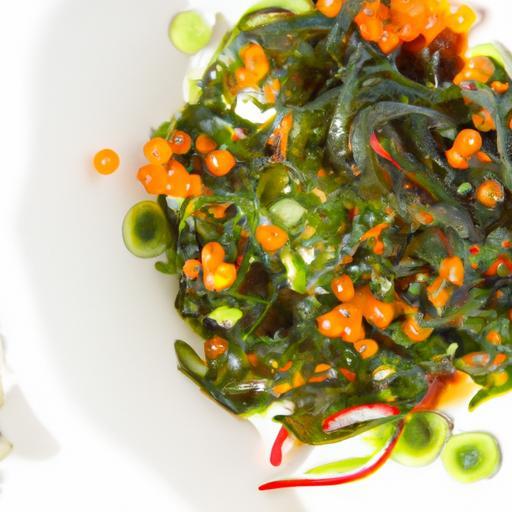
In the vibrant world of culinary delights, few ingredients carry the perfect blend of nutrition and zest quite like edamame and seaweed salad. These ocean-kissed gems have journeyed from traditional Asian tables to global menus, captivating taste buds with their fresh, briny flavors and satisfying textures. But beyond their appealing crunch and subtle umami, edamame and seaweed salad offer a wealth of health benefits that make them much more than just flavorful side dishes. Join us as we dive into the fresh flavors and uncover the remarkable nutritional perks that make these green powerhouses must-haves for anyone seeking a tasty boost of wellness.
Fresh Flavors take center stage when unlocking the vibrant health benefits of edamame and seaweed salad-two nutritional powerhouses from the sea that bring extraordinary taste and wellness to your table. This dish combines the subtle sweetness and satisfying bite of young soybeans with the briny, umami-rich crispness of seaweed, offering a refreshing gateway to superfood-packed meals. Originating from traditional East Asian cuisine, this salad has become a cherished favorite worldwide, celebrated for its balance of textures and nourishing qualities. Whether you’re a seasoned cook or an adventurous foodie, these delightful ingredients promise an explosion of flavor paired with a bounty of nutrients.
Prep and Cook Time
- Planning: 15 minutes
- Cooking: 5 minutes
- Total: 20 minutes
Yield
Serves 4 as a refreshing side or light lunch
Difficulty Level
Easy – perfect for busy weekdays or casual gatherings
Ingredients
- 1 ½ cups shelled edamame (fresh or frozen), blanched
- 1 cup dried wakame seaweed, soaked and drained
- 1 small cucumber, thinly sliced
- 2 tbsp rice vinegar
- 1 tbsp toasted sesame oil
- 1 tbsp soy sauce or tamari for gluten-free option
- 1 tsp honey or maple syrup
- 1 tsp freshly grated ginger
- 1 tbsp toasted sesame seeds
- 2 stalks green onions, sliced thinly
- optional: red chili flakes for a gentle kick
Instructions
- Prepare the seaweed: Soak the dried wakame in cool water for 10 minutes until tender and vibrant. Drain thoroughly and gently squeeze out excess water to avoid a soggy salad.
- Cook the edamame: If using frozen, blanch the edamame in boiling salted water for 3-4 minutes until bright green and tender. Drain and allow to cool slightly. For fresh edamame, simply steam until tender.
- Slice the cucumber: Use a mandoline or sharp knife to thinly slice the cucumber, lending a crisp contrast to the salad.
- Whisk the dressing: In a small bowl, combine rice vinegar, toasted sesame oil, soy sauce, honey, and freshly grated ginger. Whisk until well blended and fragrant.
- Combine salad components: In a large mixing bowl, gently toss the edamame, soaked wakame, cucumber, and green onions.
- Add dressing: Pour the dressing over the vegetables and toss to coat evenly. Adjust seasoning with additional soy sauce or a pinch of salt if desired.
- Finish with seeds & spice: Sprinkle toasted sesame seeds and optional red chili flakes atop the salad for a beautiful finish and added texture.
- Chill and serve: For best flavor, refrigerate for 15 minutes before serving to let the flavors marry and intensify.
Tips for Success
- Selection: Choose edamame pods that are bright green and firm; for seaweed, opt for high-quality dried wakame with a fresh ocean aroma and no discoloration.
- soaking seaweed: Avoid over-soaking to maintain a pleasant chewiness; rinse after soaking to reduce excess saltiness.
- customization: Add julienned carrots or radishes for color and crunch, or a splash of yuzu juice for a citrusy twist.
- make-ahead: You can prepare the dressing and soak seaweed a day in advance; keep separate until ready to toss to preserve crispness.
- Serving cold: This salad is best served chilled but avoid freezing as it alters texture and taste dramatically.
Serving Suggestions
Serve this edamame and seaweed salad as a vibrant side dish alongside grilled teriyaki salmon or miso-glazed chicken for an unforgettable meal. Garnish with fresh cilantro leaves or thin lemon zest ribbons for an extra burst of color and brightness.It also pairs beautifully with steamed jasmine rice or quinoa to create a wholesome, balanced lunch bowl.

| Nutrition | Per Serving |
|---|---|
| Calories | 150 kcal |
| Protein | 12 g |
| Carbohydrates | 14 g |
| Fat | 5 g (mostly healthy fats) |
Discover more vibrant recipes featuring superfoods in our superfood Recipes Collection. For detailed nutritional insights and health benefits of seaweed, visit the Healthline Seaweed Benefits Guide.
Q&A
Q&A: Fresh Flavors – Exploring Edamame and Seaweed Salad Benefits
Q1: What makes edamame and seaweed salad a fresh and exciting duo on the plate?
A1: Edamame and seaweed salad combine vibrant colors, diverse textures, and ocean-inspired tastes that awaken your palate. edamame offers a satisfying, nutty chew, while seaweed salad delivers a delicate, briny crunch. Together, they create a refreshing bite that’s as pleasing visually as it is indeed nutritionally.
Q2: Why are edamame considered a superfood?
A2: Edamame, young green soybeans, are packed with plant-based protein, fiber, and essential amino acids. They’re rich in vitamins like folate and minerals such as iron and magnesium. This powerhouse snack supports muscle health, digestion, and sustained energy-perfect for a wholesome boost.
Q3: Seaweed salad frequently enough isn’t on everyday menus-what unique nutrients does it bring?
A3: Seaweed is a treasure trove of iodine, wich supports thyroid function and metabolism. It also contains antioxidants, vitamins A, C, E, and K, and a host of minerals like calcium and magnesium. Plus, its fiber content aids gut health, making seaweed salad a nutrient-dense choice with natural detoxifying properties.
Q4: How do these ingredients benefit heart health?
A4: Edamame boasts heart-kind isoflavones and unsaturated fats that help lower cholesterol levels. Seaweed’s soluble fiber helps reduce blood cholesterol and blood pressure, while its antioxidants combat inflammation. Together, they create a synergistic effect that supports cardiovascular wellness.
Q5: Can these fresh flavors fit into various diets?
A5: Absolutely! Edamame and seaweed salad are naturally vegan, gluten-free, and low in calories. Whether you’re following a plant-based, paleo, or low-carb plan, these ingredients add texture, flavor, and nutrition without compromising dietary goals.
Q6: How can one easily prepare or enjoy edamame and seaweed salad at home?
A6: Edamame is simple to prepare – just boil or steam until tender and sprinkle with sea salt. For seaweed salad, ready-made mixes from Asian markets are convenient; just toss with sesame oil, rice vinegar, and a touch of soy sauce. Combining them with fresh veggies, a squeeze of lime, or chili flakes turns a humble snack into a gourmet treat.
Q7: Any tips for those new to these flavors?
A7: Dive in with small portions and pair them with familiar foods like avocado, cucumber, or grilled tofu. Experiment with dressings to balance the seaweed’s brininess and edamame’s nuttiness.Over time, these fresh flavors can become a delicious staple that delights your taste buds while nourishing your body.
Discovering the benefits of edamame and seaweed salad is like unlocking nature’s seaside pantry-a fresh, flavorful journey full of health and vitality!
Closing Remarks
As we wrap up our journey through the vibrant world of edamame and seaweed salads, it’s clear these ocean-inspired delights offer more than just a burst of fresh flavor. Packed with nutrients, antioxidants, and unique textures, they invite us to refresh our plates and nourish our bodies in deliciously wholesome ways.So next time you crave a meal that’s both refreshing and rewarding, let these green gems from land and sea inspire your culinary adventures-as sometimes, the freshest flavors bring the richest benefits.