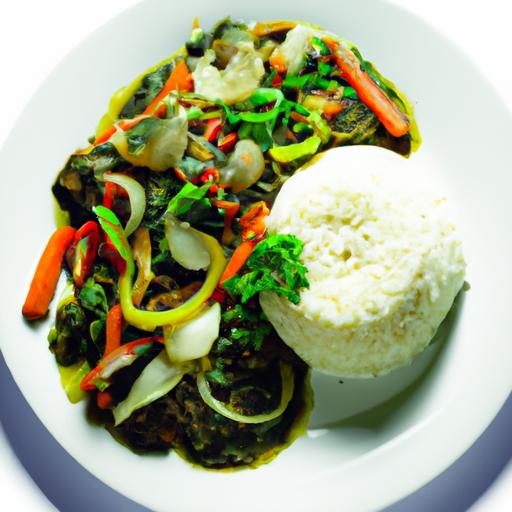

Nestled in the heart of East Africa, Rwanda’s vibrant culinary landscape offers a tapestry of flavors that tell stories of tradition, community, and nature’s bounty. Among its many treasured dishes, Isombe stands out not just as a meal but as a cultural emblem-an earthy, comforting blend of cassava leaves, rich peanut sauce, and subtle hints of local spices. In this flavorful journey into rwandan cuisine, we unravel the origins, ingredients, and importance of Isombe, inviting you to discover the soul of Rwanda through every savory bite.Whether you’re a curious food lover or an adventurous traveler, prepare to be immersed in a dish that nourishes both body and spirit.
Isombe stands as a vibrant emblem of Rwandan culinary heritage, weaving together simple yet soulful ingredients to create a dish bursting with flavor and culture. Rooted deeply in communal traditions,this cassava leaf stew has nourished families for generations,evoking vivid memories of smiles shared around the table. As you embark on this recipe, you’ll unlock the secrets of authentic Rwandan cuisine, transforming humble greens into a luxurious comfort food that delights the senses and honors its rich origins.
Prep and Cook Time
- Preparation: 20 minutes
- cooking: 40 minutes
- Total: 1 hour
Yield
serves 4 generous portions
Difficulty Level
Medium – perfect for those ready to explore authentic African flavors with approachable techniques
Ingredients That Bring Isombe to Life
- 500g fresh cassava leaves (or frozen cassava leaf paste, rinsed and drained)
- 2 medium-sized onions, finely chopped
- 3 cloves garlic, minced
- 1 medium tomato, chopped
- 200ml coconut milk (for richness and subtle sweetness)
- 150g smoked fish or dried beef (optional, adds traditional umami depth)
- 3 tablespoons palm oil or vegetable oil
- Salt and pepper to taste
- 1 teaspoon ground chili powder (adjust to heat preference)
- 1 cup water or vegetable broth
Step by Step Guide to Perfecting Isombe at Home
- Prepare the cassava leaves: If using fresh, wash them thoroughly and remove any tough stems. Blanch leaves in boiling water for 5 minutes, then drain and chop finely.Frozen cassava leaves should be thawed and rinsed well.
- Sauté aromatics: Heat palm oil in a heavy-bottomed pot over medium heat. Add the onions and garlic, sautéing until translucent and fragrant-about 5 minutes.
- Add the tomato: Stir in the chopped tomato and cook until it softens and melds into the mixture, roughly 4 minutes.
- Incorporate proteins: If using smoked fish or dried beef, add now, stirring to combine. This infuses the dish with a rich, smoky undertone.
- Simmer the leaves: Add the chopped cassava leaves along with water or vegetable broth. Stir well, then cover and let it simmer gently for 25 minutes, stirring occasionally to prevent sticking.
- Finish with coconut milk: Pour in the coconut milk and chili powder. Stir and cook uncovered for an additional 10 minutes, allowing the flavors to blend and the sauce to thicken slightly.
- Season to taste: Add salt and pepper carefully, tasting as you go to reach a balanced, savory finish.
Chef’s Notes: Tips for success
- Leaf substitution: If cassava leaves are unavailable, try using spinach or kale for a similar texture and earthiness.
- Protein alternatives: For a vegetarian version, omit smoked fish and boost flavor with smoked paprika or a splash of soy sauce.
- Make-ahead magic: Isombe tastes even better the next day as the flavors deepen, so consider preparing it a day in advance.
- Controlling bitterness: Proper rinsing and blanching of cassava leaves is essential to reduce any bitterness inherent to the greens.
- Gradual simmering: Slow cooking ensures tenderness and full flavor absorption-avoid rushing this step.
Pairing Isombe with Traditional Rwandan Dishes for a Complete Feast
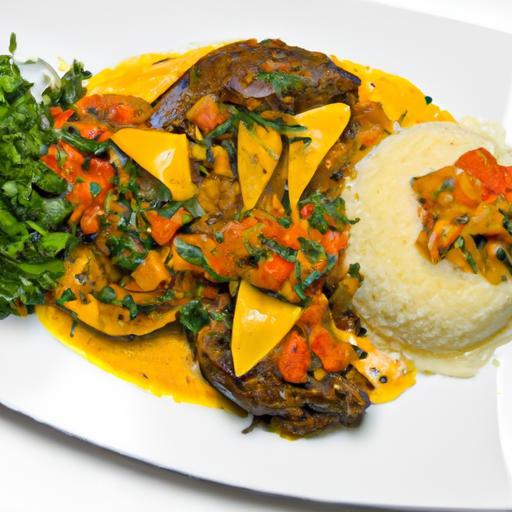
Isombe shines brightest served alongside ubugali (cassava or maize porridge) or steamed plantains, which soak up the luscious sauce effortlessly. For added contrast,complement the meal with fried tilapia or grilled goat meat,staples celebrating Rwanda’s diverse protein offerings. Garnish your serving with freshly chopped tomatoes and thin slices of red onion for a refreshing, colorful accent. Whether dining family-style or hosting friends, Isombe promises to transport you straight to the heart of Rwandan cuisine.
| nutrient | Per Serving |
|---|---|
| Calories | 220 kcal |
| Protein | 12g |
| Carbohydrates | 18g |
| Fat | 12g |

For more insight into traditional Rwandan ingredients and cooking techniques, explore our detailed article on Rwandan Cooking Basics.To delve deeper into the nutritional benefits of cassava leaves, visit this nutrition study.
Q&A
Q&A: Isombe Unveiled – A Flavorful Journey into Rwandan Cuisine
Q1: What exactly is Isombe?
A1: Isombe is a traditional Rwandan dish that beautifully showcases the country’s rich culinary heritage.At its heart, it’s a savory blend of cassava leaves finely pounded and cooked with ingredients like peanut butter, palm oil, onions, and sometimes smoked fish or meat. The result is a creamy, earthy, and comforting stew that bursts with umami and a hint of nuttiness.
Q2: Why is Isombe so meaningful to Rwandan culture?
A2: Beyond its delicious taste, Isombe holds a deep cultural significance. It’s often prepared during communal gatherings and celebrations, symbolizing unity and sharing. cassava leaves, the main ingredient, have been a vital crop in Rwanda for centuries, making Isombe not only a culinary treasure but also a reflection of the nation’s agricultural roots.
Q3: How does Isombe reflect the diversity of Rwandan cuisine?
A3: Rwandan cuisine is characterized by its use of fresh, local ingredients and simple yet bold flavors. Isombe exemplifies this by transforming humble cassava leaves into a dish that’s both hearty and refined. The addition of peanuts adds a distinctive richness, while the use of palm oil or smoked fish adds layers of regional flavor variations, highlighting the culinary creativity across Rwanda’s provinces.
Q4: Can Isombe be enjoyed by vegetarians or vegans?
A4: Absolutely! While traditional recipes may include smoked fish or meat, it’s entirely possible to keep Isombe vegetarian or vegan. By simply omitting animal products and focusing on the greens, peanuts, and plant-based oils, Isombe remains a rich and satisfying dish suitable for all dietary preferences.
Q5: How is Isombe traditionally served and eaten?
A5: Isombe is typically served alongside staple starches such as Ugali (a maize flour porridge), rice, or plantains. It’s eaten communal-style, where friends and family gather around and scoop the stew with their hands or utensils, sharing in the sensory experience of both taste and touch. This practice strengthens bonds and honors Rwanda’s deep sense of community.
Q6: Where can someone outside Rwanda try or make Isombe?
A6: as Rwandan cuisine gains global recognition, Isombe is gradually appearing on menus in African restaurants worldwide and at cultural food festivals. For home cooks, frozen or canned cassava leaves can sometimes be found in specialty markets. With a few pantry staples like peanut butter, onions, and palm oil, adventurous food lovers can recreate the authentic taste of Rwanda’s beloved Isombe right in their kitchen.
Q7: what makes Isombe a ‘flavorful journey’ rather then just a meal?
A7: Isombe invites you to explore not just a dish, but the layers of history, agriculture, tradition, and community embedded in every bite. Each mouthful connects diners to Rwanda’s lush landscapes where cassava thrives, to the hands of cooks who have passed down recipes, and to the celebrations where Isombe brightens tables. Eating Isombe is savoring a story – a flavorful journey into the soul of Rwandan cuisine.
Wrapping Up
as our flavorful journey through Isombe concludes, we find more than just a dish-we uncover a vibrant chapter of Rwandan culture simmered in every leaf and seasoned with tradition.Isombe is not merely food; it is a testament to the ingenuity and heart of Rwanda’s culinary heritage, inviting you to savor its earthy greens and creamy textures with every bite. Whether you’re a curious foodie or a cultural explorer, embracing Isombe means stepping into a story where history, community, and flavor entwine. so next time you crave a taste that transcends borders, remember Isombe: a humble masterpiece waiting to transform your palate and deepen your appreciation for Rwanda’s rich culinary tapestry.