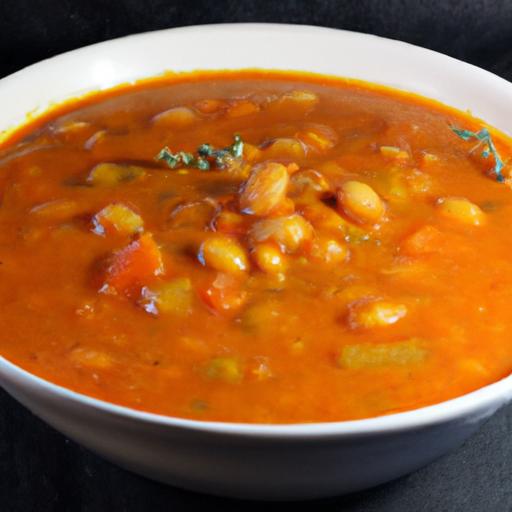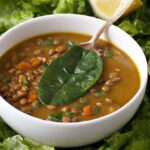

Steaming bowls of Moroccan Harira soup carry more than just rich, savory flavors-they hold centuries of tradition, culture, and community in every spoonful. This vibrant dish, a symphony of tender lentils, fragrant spices, fresh herbs, and succulent tomatoes, is much more than a meal; it’s a heartwarming ritual passed down through generations. Frequently enough enjoyed too break the fast during Ramadan or shared as a comforting starter at festive gatherings, Harira is a culinary emblem of Morocco’s diverse heritage. In exploring the story behind this beloved soup, we uncover how each ingredient and every simmer contributes to a flavorful tradition that transcends the bowl, inviting us all to experience the essence of Moroccan hospitality and history.
Moroccan Harira Soup is a culinary treasure that carries centuries of history and cultural richness in every spoonful. This hearty yet fragrant soup is more than just a meal; it is a symbol of hospitality and tradition, especially during Ramadan when families gather to break their fast wiht its nourishing warmth. Originating from the bustling streets of Morocco’s oldest cities, Harira perfectly balances fresh herbs, tangy tomatoes, and tender legumes with savory meats and aromatic spices, creating a flavor profile that’s both comforting and exotic.
Prep and Cook Time
- Preparation: 20 minutes
- Cooking: 1 hour 15 minutes
- Total Time: 1 hour 35 minutes
Yield
- 6 generous servings
Difficulty Level
- Medium – Ideal for adventurous home cooks ready to embrace Moroccan flavors
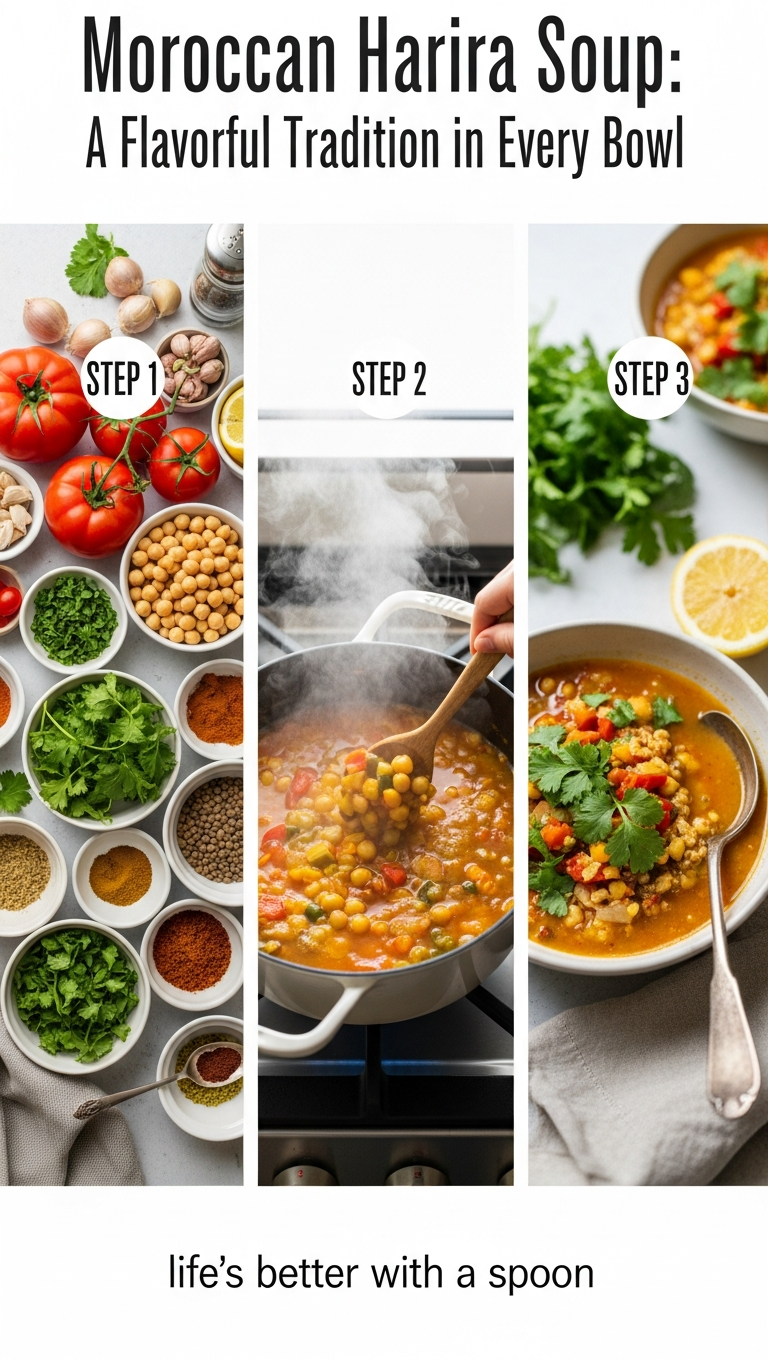
Key Ingredients that Bring Harira to Life
- 2 cups dried chickpeas, soaked overnight for tender, nutty depth
- 1 cup green lentils, adding earthiness and protein
- 1 lb lamb shoulder or beef, cubed for rich umami
- 4 medium tomatoes, pureed or finely chopped, creating the vibrant base
- 1 large onion, finely diced to build natural sweetness
- 1 bunch fresh cilantro and 1 bunch fresh parsley, finely chopped for bright herbal notes
- 4 stalks celery, thinly sliced, lending subtle crunch and aroma
- 3 tbsp olive oil, to perfectly sauté and meld flavors
- 1 tbsp tomato paste, deepening the color and richness
- 1 tsp ground cinnamon and 1 tsp ground ginger, warming spices essential to Moroccan cuisine
- 1 tsp turmeric, for earthiness and golden hue
- Salt and freshly ground black pepper, to taste
- 1/2 cup fine vermicelli pasta or broken noodles, added near the end for texture
- Juice of 1 lemon, balancing the hearty richness with bright acidity
- 2 liters vegetable or beef broth, the comforting liquid base
Step-by-Step Guide to Crafting an Authentic Harira Soup
- prepare legumes: Drain soaked chickpeas and rinse lentils. Set aside.
- Sauté aromatics: In a large heavy-bottom pot,warm olive oil over medium heat.Add diced onion and celery, sauté until softened and translucent, about 5 minutes.
- Brown the meat: Add cubed lamb or beef to the pot, stirring to brown lightly on all sides for 6-8 minutes. This step infuses the soup with its signature savory base.
- Incorporate tomatoes: stir in pureed tomatoes and tomato paste, cooking until the mixture thickens and deepens in color, about 10 minutes. Stir regularly to prevent sticking.
- Spice infusion: Add cinnamon, ginger, turmeric, salt, and pepper. Mix well, letting spices bloom in the heat to release their oils and aromas.
- Add broth and legumes: Pour in the broth, then add chickpeas and lentils. Bring to a gentle boil,then reduce heat to low and simmer,partially covered,for about 50 minutes,or until legumes and meat are tender.
- fresh herbs & celery: Stir in chopped parsley and cilantro,allowing their fresh aroma to infuse the soup for 5 minutes.
- Finish with pasta: Add vermicelli or broken noodles and cook for an additional 7-8 minutes until tender but firm.
- Final zest: Just before serving, squeeze in the lemon juice to brighten and balance flavors.
- Adjust seasoning: taste and adjust salt, pepper, or lemon juice as needed for the perfect harmony.
Tips for Serving and Pairing Harira with Traditional Accompaniments
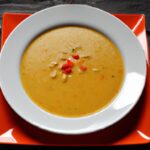
Serve your Moroccan Harira Soup steaming hot in rustic bowls garnished with a sprinkle of fresh chopped parsley or a few lemon wedges on the side. Traditionally, Harira is paired with chebakia (a sesame-coated, honey-glazed pastry) or simple fresh dates – both offering a sweet contrast to the soup’s spices.
A crusty Moroccan batbout or warm pita bread makes for excellent dipping vessels, soaking up every flavorful drop. for a truly authentic experience, pair the soup with a refreshing mint tea, which balances the meal with its invigorating notes.
chef’s Notes
- Vegetarian Variation: Substitute meat with extra lentils and mushrooms for an equally hearty version.
- Make-Ahead: Harira tastes even better the next day as flavors deepen. Store in an airtight container up to 3 days or freeze portions for later.
- Legumes Shortcut: canned chickpeas can be used if pressed for time-add them after the broth simmers to avoid overcooking.
- Spice Balance: Adjust cinnamon and ginger based on your palate; start small and add more for warmth.
- Broth Choices: Homemade stock elevates the dish,but a quality store-bought broth works beautifully too.
| Nutrient | Per Serving |
|---|---|
| Calories | 320 kcal |
| Protein | 22 g |
| Carbohydrates | 35 g |
| Fat | 8 g |

Explore more Moroccan delights to complement your culinary journey by visiting our Moroccan couscous Recipes. For cultural insights into Moroccan cuisine’s spice palette, check this Britannica article on moroccan cuisine.
Q&A
Q&A: Moroccan Harira Soup – A Flavorful Tradition in Every Bowl
Q: What is Harira soup, and why is it so special in Moroccan culture?
A: Harira is a vibrant, hearty soup that bursts with layers of flavor and history. it’s more than just a dish-it’s a culinary emblem of Moroccan hospitality and tradition. Often enjoyed to break the fast during Ramadan, Harira weaves together tomatoes, lentils, chickpeas, tender meat, and fragrant herbs into a warm embrace that nourishes both body and soul. Each bowl tells a story of family gatherings, festive celebrations, and the rich tapestry of Moroccan heritage.
Q: What are the key ingredients that give Harira its distinctive taste?
A: The magic of Harira lies in its harmonious ingredients. Tomatoes provide a tangy base, while lentils and chickpeas add earthy depth and satisfying texture. Tender pieces of lamb or beef lend richness, and a bouquet of fresh cilantro, parsley, and delicate spices like cinnamon, ginger, turmeric, and saffron create an aromatic symphony. A splash of lemon juice brightens the flavors, making every spoonful a delightful dance on the palate.
Q: How is Harira traditionally prepared, and does it vary regionally?
A: While the heart of Harira remains consistent-slow-simmered broth loaded with wholesome ingredients-preparation can vary across Morocco’s regions and families.Some may thicken it with a mixture of flour and water, called “t’mine,” for a silky texture, while others might incorporate eggs or vermicelli noodles. The secret is in the patience and love poured into simmering the soup slowly, coaxing out nuanced flavors and melding the components into a comforting, cohesive whole.
Q: When is Harira typically served, and what role does it play in Moroccan traditions?
A: Harira shines notably during Ramadan, when it’s served at iftar-the evening meal that breaks the day’s fast. It’s both a nourishing source of energy and a symbol of communal sharing. Beyond Ramadan,it’s a staple at celebrations,family gatherings,and cold winter nights. Sharing Harira is an act of togetherness, inviting warmth and connection through a shared culinary experience.
Q: Can Harira be adapted for modern or dietary preferences?
A: Absolutely! While traditional Harira includes meat, vegetarian versions swap it out or omit it, focusing on the legumes and vegetables. The soup’s adaptable nature means you can tailor spices or ingredients to suit your taste or dietary needs without losing the essence of its soul-warming goodness.Whether gluten-free, vegan, or simply adventurous, exploring Harira’s flavors invites creativity while honoring tradition.
Q: Why should someone outside Morocco try Harira?
A: Because Harira is a feast for the senses and a window into Moroccan culture. It offers a beautiful balance of freshness and spice, simplicity and depth-a culinary adventure in every spoonful. Trying Harira is stepping into a world where food tells stories, nourishes community, and celebrates heritage. It’s not just eating; it’s experiencing a flavorful tradition in every bowl.
Insights and Conclusions
As the final spoonful of Moroccan Harira soup warms the soul, it becomes clear that this beloved dish is much more than a meal-it’s a flavorful tradition steeped in history, culture, and community. Each bowl tells a story of ancient spices, hearty ingredients, and the joyful gatherings that bring people together around the table. Whether enjoyed during Ramadan or as a comforting anytime feast, Harira invites us to savor not just its rich taste but also the vibrant heritage it carries. In every simmer and spice, Moroccan Harira reminds us that food is more than sustenance-it’s a shared experience, a living tradition, and a appetizing way to connect with the heart of Morocco.