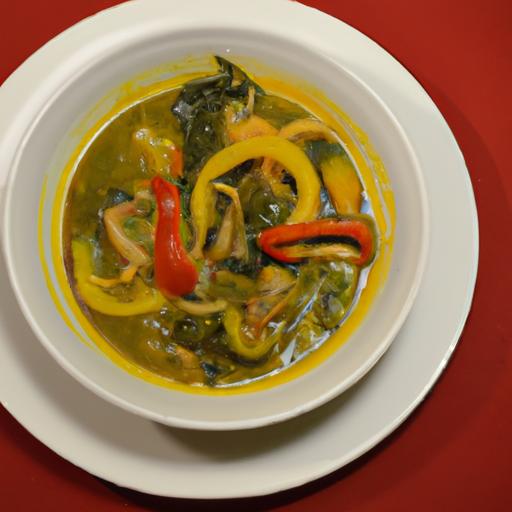

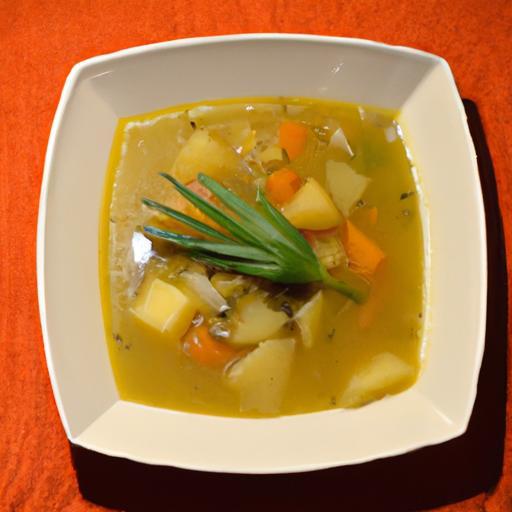
Nestled within the vibrant culinary tapestry of West Africa lies Kandia soup, a beloved Senegalese delicacy that tells a story far richer than its ingredients. More than just a meal,Kandia is a soulful celebration of tradition,culture,and the earth’s bounty,blending tender okra,succulent meats,and fragrant spices into a symphony of flavors that dance on the palate. In this exploration, we’ll journey into the heart of Senegal’s kitchens to uncover the secrets behind Kandia soup-its origins, unique preparation methods, and the cultural significance that makes every spoonful a flavorful homage to Senegalese heritage. Welcome to a savory adventure that beckons your senses and invites you to savor Senegal.
Discovering the Unique ingredients That Define Kandia Soup
kandia soup is a treasured West African dish bursting with vibrant, earthy flavors that celebrate Senegalese culinary heritage. At the heart of its unmistakable taste is Okra,known locally as “kandia,” which lends the soup its signature viscous texture and verdant color. This delightful gumbo-like consistency mingles harmoniously with a medley of fragrant spices and rich proteins, creating a comforting bowl that’s both hearty and refreshing.
Exploring the ingredients unveils a tapestry of local produce and flavors. Locust beans (dawadawa) impart a deep umami aroma while smoked fish adds a soulful smokiness that echoes the Senegalese coast. Tomatoes and onions form the aromatic base, enhanced by subtle heat from chili peppers and the hint of citrus from lime. Fresh herbs such as parsley and coriander bring brightness that cuts through the richness. Each component plays a purposeful role, woven together to create an unforgettable culinary experience.
prep and Cook Time
- Preparation Time: 25 minutes
- Cooking Time: 1 hour
- Total Time: 1 hour 25 minutes
Yield
Serves 6 generous portions
Difficulty Level
Medium – perfect for those comfortable with handling fresh herbs and layering complex flavors
Ingredients
- 2 cups fresh okra,sliced thinly
- 1 large onion,finely chopped
- 3 ripe tomatoes,chopped
- 2 cloves garlic,minced
- 1 cup smoked fish,deboned and flaked
- 2 tablespoons locust beans (dawadawa)
- 1 teaspoon ground chili pepper (adjust to taste)
- 1/4 cup palm oil or vegetable oil
- 4 cups water or fish stock
- 1 lime,juiced
- Salt,to taste
- Fresh parsley and coriander,chopped,for garnish
Instructions
- Prepare the okra: Rinse and slice the fresh okra thinly. Set aside to keep its mucilaginous texture intact, which will thicken the soup beautifully.
- Sauté aromatics: Heat palm oil in a large pot over medium heat. Add the chopped onions and garlic; sauté until golden brown and fragrant, about 5-7 minutes, stirring occasionally to prevent burning.
- Add tomatoes and spices: Stir in the chopped tomatoes and cook down until thay lose excess water and meld into a thick base, approximately 10 minutes. Sprinkle in the ground chili pepper and locust beans,stirring well to release their full flavors.
- Incorporate smoked fish: Gently fold in the flaked smoked fish, allowing it to infuse its smoky depth with the simmering vegetables for about 5 minutes.
- Simmer the soup: Pour in the water or fish stock, bringing the mixture to a boil before reducing heat to low. Let the soup gently simmer uncovered for 30 minutes, stirring occasionally to prevent sticking.
- Add okra last: Stir in the sliced okra and cook for an additional 15 minutes. The okra will release its natural thickening agents, creating a luscious, velvety texture characteristic of Kandia soup.
- Finish with lime and seasoning: Remove from heat and stir in fresh lime juice to brighten the flavors. Adjust salt to taste and garnish with chopped parsley and coriander for a fresh herbal note.
Tips for Success
- Use fresh okra whenever possible for optimal texture and flavor; frozen okra can sometimes become too slimy.
- If palm oil is unavailable, vegetable oil works, but the distinct aroma and color of palm oil are essential to authenticity.
- Simmer gently to avoid over-reducing the liquid-keep it soupy, as Kandia is best enjoyed rich and moist.
- For a meatier version, add chunks of beef or lamb early in cooking, allowing them to tenderize thoroughly.
- Leftovers deepen in flavor after resting and refrigerate well up to three days. Avoid freezing as okra texture can degrade.
serving Suggestions
Present Kandia soup steaming hot alongside a mound of fluffy white rice or customary Senegalese millet couscous (thiéré). A side of senegalese moringa leaf salad complements the soup’s richness with a refreshing crunch. Garnish each bowl with additional fresh herbs and a wedge of lime to amplify freshness. Guests will delight in dipping crusty bread or fufu made from yams or plantains to soak up every luscious drop of this vibrant soup.
| Nutrient | Per Serving |
|---|---|
| Calories | 250 kcal |
| Protein | 18 g |
| Carbohydrates | 12 g |
| Fat | 14 g |

Crafting the Perfect Kandia Soup: Traditional Techniques and Tips
Mastering Kandia soup means respecting the tradition while embracing the joy of layering flavors and textures. Patience is key-allow ingredients to release their essence through slow simmering. Avoid rushing the base; caramelizing onions and cooked-down tomatoes build a rich depth that anchors the soup. Adding okra too early can break down the texture, so timing matters. Observing these techniques ensures your dish embodies the comforting spirit and complexity that make Kandia soup a Senegalese favorite.
Pairing Kandia Soup with Senegalese Sides for a Complete Culinary Experience
To fully immerse yourself in Senegal’s vibrant food culture, serve Kandia soup alongside authentic sides like couscous thiéré, which provides a fine, fluffy texture perfect for soaking up the luscious broth. Steamed rice or millet fufu also offer complementary mild bases. for freshness and crunch,add fonio salads or lightly pickled vegetables. Senegalese meals are communal, so combine multiple dishes in colorful abundance for an unforgettable dining celebration.
Where to Taste Authentic Kandia Soup: Recommended Restaurants and Street Eats
Experience the soul of Kandia soup in Senegal’s bustling markets or acclaimed eateries. Visit Le Djembé in Dakar for a traditional rendition served with skill and passion. For street food lovers, explore the Sandaga Market, where local vendors ladle out steaming bowls amid lively chatter. Beyond Dakar, smaller village restaurants often offer recipes passed down generations, revealing regional nuances. Sampling Kandia soup in these vibrant settings connects you directly to Senegal’s rich culinary landscape, elevating every spoonful with cultural richness.
Q&A
Q&A: Savor Senegal – Exploring the Rich Flavors of Kandia Soup
Q1: What is Kandia Soup, and why is it so beloved in Senegal?
A1: Kandia Soup, also known as Okra Soup or “Soup Kandia,” is a staple dish in Senegalese cuisine that beautifully marries thick, mucilaginous okra with a vibrant blend of spices, meats, and sometimes seafood. This hearty, comforting soup is cherished for its rich, earthy flavors and its ability to bring people together around the dining table.It’s more than just a meal – it’s a celebration of Senegal’s agricultural bounty and culinary heritage.
Q2: What are the main ingredients that give Kandia Soup its distinctive flavor?
A2: the star ingredient is obviously fresh okra, which lends the soup its characteristic slightly slippery texture. Alongside okra, you’ll find succulent cuts of meat such as beef, lamb, or fish, as well as flavorful additions like tomatoes, onions, garlic, and local spices including bouillon cubes, cayenne pepper, and sometimes a hint of fermented locust beans (dawadawa). Often, palm oil or peanut oil is used to deepen the richness and add a nutty undertone.
Q3: How does Kandia Soup reflect Senegal’s culture and geography?
A3: Kandia soup is a perfect reflection of Senegal’s diverse environment-from coastal fish to the savannah’s hearty livestock-and its cultural melting pot. The soup uses local ingredients cultivated in senegal’s fertile lands and coastal waters, incorporating techniques that have been passed down through generations. Sharing Kandia Soup is a social ritual, often enjoyed during family gatherings, festivals, and communal celebrations, symbolizing hospitality and unity.
Q4: Can Kandia Soup be adapted for different dietary preferences?
A4: Absolutely! While traditionally made with meat or fish, Kandia Soup can easily be adapted for vegetarians by omitting animal proteins and emphasizing hearty vegetables like eggplant, sweet potatoes, or mushrooms. The magic of okra’s texture remains, and by adjusting spices, you can create a delicious, plant-based version that honors the soul of the dish while catering to different palates.
Q5: What is the best way to enjoy Kandia Soup in Senegal?
A5: Kandia Soup is typically enjoyed with a side of rice, millet, or traditional fufu (a soft dough made from millet or cassava flour), which helps balance the soup’s thick texture. Eating with your hands is common and enhances the sensory experience. Whether savored in a bustling Dakar market or a quiet village home, the warmth of Kandia Soup is a sensory journey steeped in tradition and flavor.Q6: Where can a traveler experience authentic Kandia Soup?
A6: authentic Kandia Soup is best experienced in Senegal itself-especially at local eateries called “dibiteries,” home-style restaurants, and bustling street food stalls. Dakar’s vibrant culinary scene also offers modern twists on Kandia, blending traditional flavors with inventive techniques. For the adventurous foodie,a cooking class or home visit can provide intimate insight into the soup’s preparation and cultural significance.
Q7: any tips for someone wanting to try making Kandia Soup at home?
A7: Start with fresh okra, preferably sliced thin to release that signature texture. Don’t rush the slow simmering process – this allows the flavors to meld beautifully. Balance your spices carefully; Senegalese cuisine prides itself on layering subtle heat with aromatic depth.And remember, Kandia Soup is a communal dish, so invite others to share in both the cooking and the tasting for the full cultural experience!
the Way Forward
As the fragrant steam of Kandia soup rises, it carries with it the stories and traditions of Senegalese culture-inviting anyone who tastes it to embark on a journey beyond the bowl. From the tender okra to the hearty blend of spices and proteins, every spoonful is a celebration of heritage and warmth. Whether you’re a seasoned foodie or a curious traveler, savoring Kandia soup offers a rich, flavorful glimpse into the heart of Senegal. So next time you seek comfort in a meal, let Kandia’s vibrant flavors transport you to West Africa’s sun-drenched kitchens, where every bite is a tasty testament to history and hospitality.