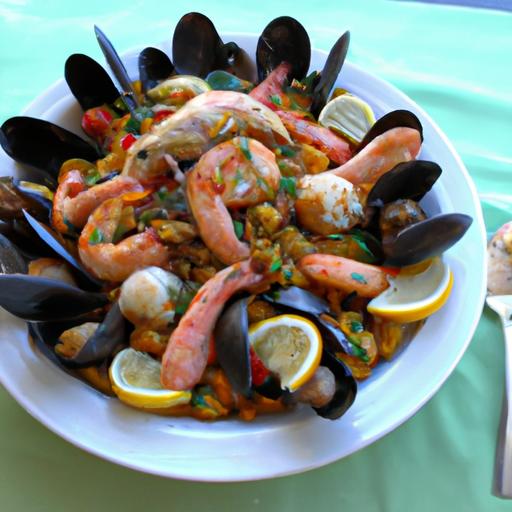

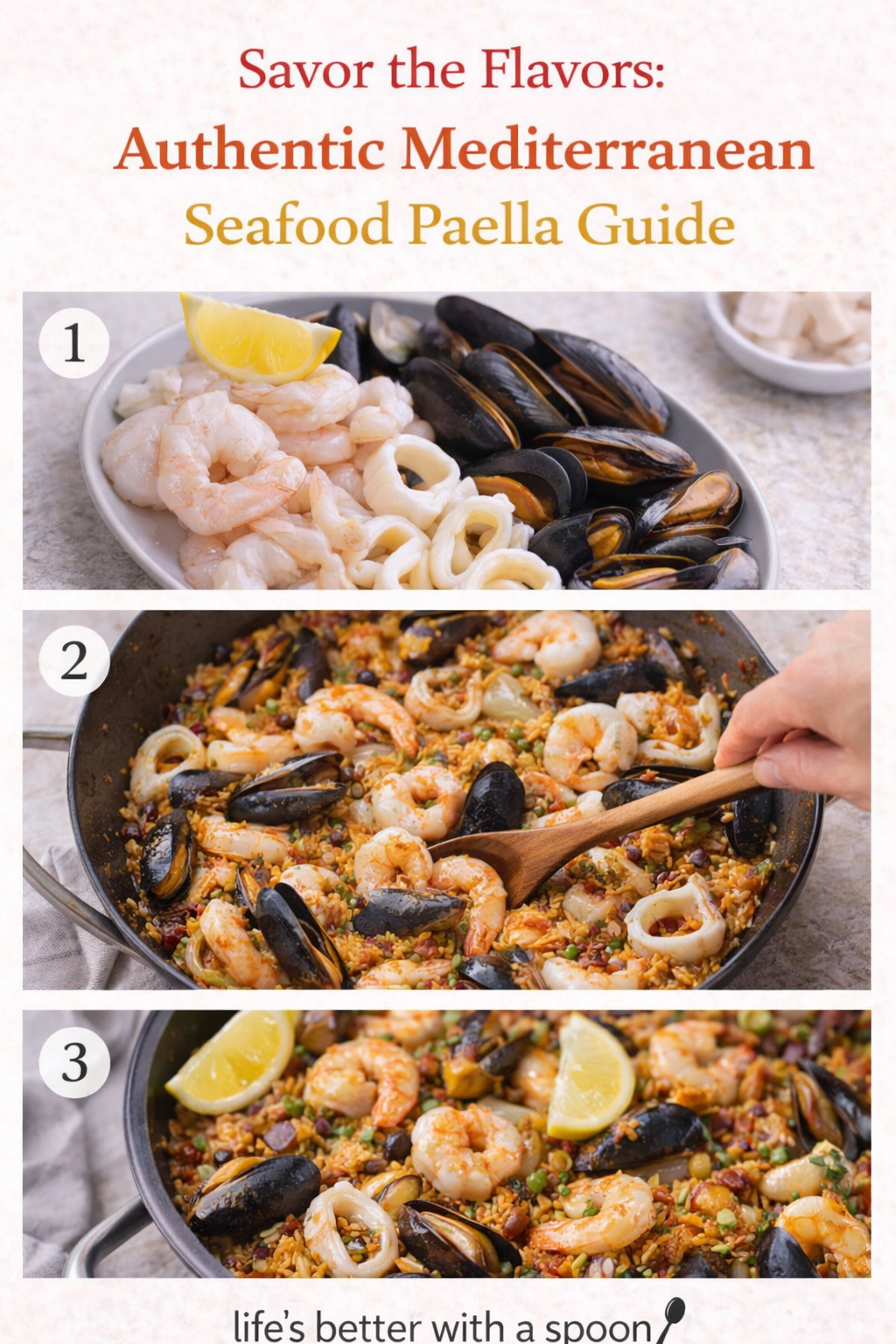
Dive into a culinary journey where the sun-drenched coasts of the Mediterranean meet the vibrant tradition of Spanish cuisine. “Savor the Flavors: Authentic Mediterranean Seafood Paella Guide” invites you to explore the art of creating a dish that is as rich in history as it is in taste. Bursting with briny seafood, fragrant saffron, and colorful vegetables, Mediterranean seafood paella is more than just a meal-itS a party of culture, community, and the bountiful sea.Whether you’re a seasoned home chef or a curious food lover,this guide will steer you through the secrets of crafting an authentic paella that captures the essence of the Mediterranean in every tasty bite.
Savor the Flavors: Authentic Mediterranean Seafood Paella Guide
Savor the flavors of the Mediterranean by creating a stunning seafood paella that captures the essence of sun-kissed coastal cuisine. This dish is a celebration of freshness and tradition, inspired by the vibrant markets of Valencia and the boldness of deep, layered seasoning. whether you’re sharing with family or entertaining friends,mastering this paella recipe will elevate your culinary prowess and delight your senses with every bite.
Prep and cook Time
- Preparation Time: 25 minutes
- Cooking Time: 45 minutes
- Total Time: 1 hour 10 minutes
Yield
- Serves 4 to 6 people
Difficulty Level
- Medium – ideal for adventurous home cooks eager to master authentic Mediterranean seafood dishes.
ingredients
- 2 cups bomba or Calasparra rice (short-grain paella rice)
- 4 cups homemade fish broth or high-quality seafood stock
- 1/4 cup extra virgin olive oil
- 1 medium onion, finely chopped
- 4 cloves garlic, minced
- 1 large ripe tomato, grated or pureed
- 1 teaspoon smoked paprika
- 1 pinch saffron threads, soaked in 3 tablespoons warm broth
- 1 red bell pepper, sliced into strips
- 12 large mussels, cleaned and debearded
- 12 large shrimp, peeled and deveined
- 6 calamari rings, cleaned
- 1/2 cup frozen peas, thawed
- Fresh parsley, chopped (for garnish)
- Lemon wedges, for serving
- Salt and freshly ground black pepper, to taste
Instructions
- Begin by preparing your sofrito base. Heat olive oil in a large paella pan over medium heat. Add the onion and sauté until translucent, about 5 minutes. Stir in garlic and cook until fragrant, 1-2 minutes.
- Add the grated tomato and smoked paprika. Stir well and simmer gently, allowing the mixture to thicken and deepen in color for 8 minutes.This sofrito is the heart of your dish, unlocking Mediterranean depth.
- Pour in the rice and toast. Add rice evenly across the pan, stirring to coat each grain with the sofrito. Toast for 2 minutes, ensuring every grain glistens with oil and flavor.
- Incorporate the saffron-infused broth slowly. Add the warm broth in a steady stream. Give the pan a gentle shake to distribute but do not stir again – this encourages the signature texture.
- Arrange the seafood and vegetables. Nestle mussels, shrimp, and calamari evenly across the rice. Place red pepper strips and scatter peas for bursts of color and sweetness.
- Simmer uncovered over medium heat. cook for 20-25 minutes without stirring. The broth will absorb,and rice will plump,revealing that perfect tender yet toothsome bite.
- Create the socarrat. For the last 5 minutes, increase heat to medium-high to develop the prized crispy bottom crust. Listen for a subtle crackling sound, an aromatic promise of the socarrat’s arrival.
- Remove from heat and rest. Cover the pan with a clean kitchen towel and let it rest for 5-10 minutes. this step melds flavors and finishes the texture beautifully.
- Garnish and serve. Sprinkle chopped parsley and arrange lemon wedges around the pan. serve directly from the pan for a communal, festive presentation.
Tips for Success
- Choosing fresh seafood: Shop at reputable markets, selecting shellfish tightly closed and smelling like the sea-never fishy. Freshness is key to authentic Mediterranean flavor.
- rice choice matters: Use short-grain varieties like Bomba or Calasparra that absorb liquid yet remain firm.
- Developing the sofrito: Take your time on this base; it’s the flavor anchor for your entire paella.
- Socarrat perfection: Resist stirring once broth is added. Achieving that caramelized crust requires patience and controlled heat.
- Make-ahead broth: Prepare and freeze your seafood broth in advance for an easy flavor boost.
- Substitutions: Adapt seafood to seasonality and availability – clams, scallops, or white fish chunks work beautifully.
Serving Suggestions
Present your paella with a crisp,chilled Spanish white wine such as Albariño or Verdejo. A bright green salad with a lemon vinaigrette or crusty rustic bread complements the rich, savory notes perfectly. Encourage guests to squeeze fresh lemon juice over their portion, amplifying the dish’s bright, maritime character. For an authentic touch, bring the whole paella to the table, inviting everyone to savor the vibrant Mediterranean feast together.

| Nutrient | Per Serving |
|---|---|
| Calories | 420 kcal |
| Protein | 35 g |
| Carbohydrates | 45 g |
| Fat | 12 g |
For more insights on mediterranean rice specialties, explore our detailed guide. To deepen your understanding of saffron’s flavor profile and culinary uses, visit Britannica’s saffron entry.
Q&A
Q&A: Savor the Flavors – Your Authentic Mediterranean Seafood Paella Guide
Q1: What makes Mediterranean seafood paella so special compared to other paellas?
A1: Mediterranean seafood paella is a vibrant celebration of the sea, featuring fresh, succulent seafood like mussels, clams, shrimp, and squid, combined with the fragrant aromas of saffron and smoky paprika. Unlike the traditional Valencian paella, which frequently enough includes meats and vegetables, this version highlights the bounty of the Mediterranean Sea, offering a lighter, briny flavor profile that truly transports you to sun-kissed coastal shores.
Q2: What are the essential ingredients for an authentic Mediterranean seafood paella?
A2: To capture authenticity, you’ll need short-grain rice (such as Bomba or Calasparra), fresh seafood (mussels, clams, prawns, squid), ripe tomatoes, garlic, onions, bell peppers, extra virgin olive oil, fish or seafood stock, saffron threads, smoked paprika, and fresh herbs like parsley and thyme. The magic lies in the balance: quality seafood, well-seasoned rice, and the precious golden saffron that infuses the dish with its signature color and aroma.
Q3: Can you explain the importance of the socarrat in paella?
A3: Ah, the socarrat-the crispy, caramelized layer of rice that forms at the bottom of the pan-is the crown jewel of any paella. It’s treasured for its rich, nutty flavor and delightful texture contrast. Achieving the perfect socarrat requires patience and the right pan heat. It’s the savory kiss that elevates your paella from a simple dish to a sensory experience.
Q4: Is it necessary to use a traditional paella pan, or can other pans work?
A4: While a traditional wide, shallow paella pan (known as a ‘paellera’) is ideal for even cooking and socarrat formation, you can adapt with a large, heavy-bottomed skillet or sauté pan. Just ensure the pan surface is broad enough so the rice cooks in a thin layer, allowing liquid to evaporate evenly and socarrat to develop.Q5: How do you select the best seafood for a truly Mediterranean flavor?
A5: Freshness is your compass. Look for seafood sourced from Mediterranean waters, if possible. Mussels and clams should be tightly closed or close when tapped, shrimp firm and translucent, squid glossy and elastic. Opt for seasonal catches to capture authentic flavors,and don’t shy away from adding local favorites like langoustines or cuttlefish to deepen the Mediterranean essence.
Q6: What wine pairs best with Mediterranean seafood paella?
A6: A crisp, chilled white wine or rosé from the Mediterranean region complements the dish effortlessly. Think a Spanish Albariño, a Provencal Rosé, or a Greek Assyrtiko. Their bright acidity and subtle minerality harmonize with the briny seafood and saffron-infused rice, enhancing each bite with refreshing undertones.
Q7: Any tips to make your paella stand out at your next dinner?
A7: Yes! Layer your flavors gently-from sautéing garlic and bell peppers to adding seafood stock infused with shellfish shells for depth. Cook seafood just right to keep it tender, and don’t stir the rice once the stock is added; this helps create the perfect texture and socarrat. Finish with a squeeze of fresh lemon and a sprinkle of chopped parsley for a burst of brightness that dazzles the palate.
Q8: Can Mediterranean seafood paella be made vegetarian or vegan?
A8: While traditional paella sings of the sea, creative cooks can craft a vibrant vegetarian or vegan version by substituting seafood with artichokes, roasted peppers, tomatoes, green beans, and chickpeas, all seasoned with saffron and smoked paprika. Pair with a rich vegetable stock to capture depth, delivering a colorful, flavorful homage to Mediterranean culinary tradition-just sans the fish.
Dive into the rich tapestry of Mediterranean flavors and let each spoonful of seafood paella tell a story of sun, sea, and tradition!
Insights and Conclusions
As you close this flavorful journey through the heart of Mediterranean seafood paella, remember that each vibrant ingredient, from the plump mussels to the aromatic saffron, tells a story of sun-drenched coasts and time-honored traditions. embracing this iconic dish is more than just a culinary adventure-it’s an invitation to savor the spirit of the Mediterranean itself. So whether you’re stirring the paella over an open flame or enjoying it in the comfort of your home, let every bite transport you to the seaside gatherings where friendship, flavor, and heritage come together in perfect harmony. Now, it’s your turn to bring this classic masterpiece to life-one delicious spoonful at a time.