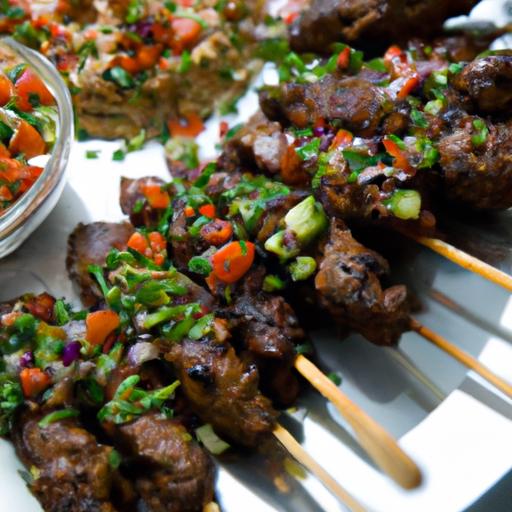

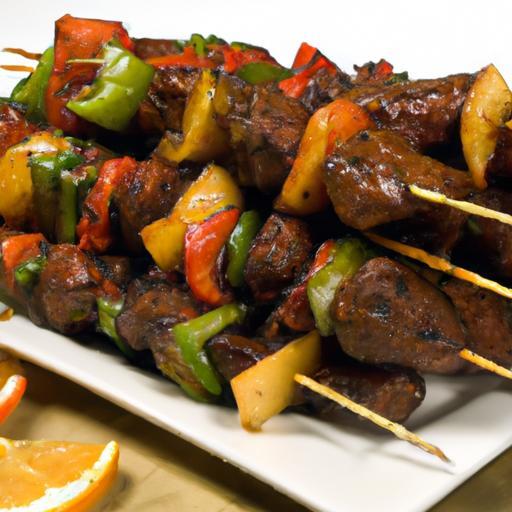
There’s a sizzling symphony echoing from the bustling streets of Nigeria-a tantalizing aroma that weaves through open-air markets and nighttime corners, inviting all to gather ’round. This is the unmistakable scent of Suya, Nigeria’s iconic spiced grilled meat, where tradition meets fire in a vibrant dance of flavor. More than just a street food, Suya is a culinary art form, a tapestry of fragrant spices and smoky char that tells stories of culture, community, and party. In this exploration, we delve into the heart of suya, uncovering the secrets behind its irresistible taste and the timeless craft that continues to ignite appetites across generations.
Savoring Nigerian Suya: The Art of Spiced Grilled Meat
Savoring Nigerian Suya is an immersive experience that combines rich cultural heritage with the tantalizing allure of smoky, spice-crusted meat. Originating from the Hausa people of Northern Nigeria, suya has long been a symbol of communal gatherings and vibrant street food culture. This iconic dish represents more than just grilled meat-it’s a celebration of tradition, flavor, and togetherness. From modest roadside stalls to festive occasions, suya’s fiery aroma and explosion of taste continue to captivate food lovers worldwide.
Prep and Cook Time
- Preparation: 20 minutes
- Marinating: 2 hours (recommended)
- Grilling: 10-15 minutes
- Total Time: Approximately 2 hours 35 minutes
Yield
- Serves 4 hungry guests
Difficulty Level
- medium - requires attention to marinating and grilling technique
Ingredients
- 1.5 lbs beef sirloin or flank steak,thinly sliced into ¾ inch strips
- 3 tablespoons suya spice blend (yaji) – see recipe below
- 2 tablespoons peanut oil or groundnut oil
- 1 teaspoon salt
- Skewers (wooden or metal)
Mastering the Perfect Suya spice Blend for Authentic Flavor
- 3 tablespoons roasted peanuts,ground finely
- 2 tablespoons cayenne pepper (adjust to heat preference)
- 1 tablespoon paprika
- 1 teaspoon ground ginger
- 1 teaspoon garlic powder
- 1 teaspoon onion powder
- 1 teaspoon dried chili flakes
- ½ teaspoon ground cloves
Instructions
- Prepare the Suya Spice Blend: In a dry pan over medium heat,lightly toast the peanuts until golden and fragrant,3-5 minutes. Once cooled, grind to a coarse powder. Combine the ground peanuts with cayenne, paprika, ginger, garlic powder, onion powder, chili flakes, and cloves in a bowl.Mix well to form your authentic yaji spice.
- Marinate the Meat: Lay the beef strips on a large tray.Drizzle with peanut oil and sprinkle with salt. Coat the meat generously with the suya spice blend,pressing the spices gently into the surface for maximum flavor adherence. Cover and refrigerate for at least 2 hours – overnight for deeper infusion.
- Prepare Skewers: If using wooden skewers,soak them in water 30 minutes prior to grilling to prevent burning. Thread strips of marinated beef onto each skewer, leaving a little space between pieces for even cooking.
- Preheat the Grill: Set your grill to medium-high heat. Lightly oil the grates to avoid sticking. Achieving the perfect char requires steady heat without flames licking the meat.
- Grill the Suya: Place skewers on the grill. Cook for 5-7 minutes per side, turning carefully to develop an even smoky crust without drying out the meat. Watch for a slightly charred edge with a juicy interior-the hallmark of excellent suya.
- Rest and Serve: Remove skewers from the grill and rest for 5 minutes.This allows juices to redistribute and ensures tender bites.
Tips for Choosing the Best Cuts of Meat for suya
Opt for cuts like beef sirloin, flank, or ribeye-known for a balance of tenderness and flavor. These meats grip the spice blend well and tolerate quick, hot grilling without becoming tough. Avoid lean cuts such as round steak which can dry out quickly. For adventurous variations, try lamb or chicken thigh, but marinate longer for enhanced tenderness.
Grilling Techniques to Achieve the Ideal Char and Juiciness
Maintain a moderate, consistent temperature on your grill. Too high, and the spices will burn before the meat cooks; too low, and you’ll miss that signature smoky crust. Use a two-zone fire setup: sear over direct heat then finish over indirect heat. Rotate the skewers regularly, and avoid pressing down on the meat-let the natural juices stay locked inside.A quick brush of your peanut oil during grilling can enhance caramelization and keep edges moist.
Chef’s Notes
- Make-Ahead: Suya spice blend keeps well in an airtight jar for up to 1 month-toast peanuts fresh to keep it vibrant.
- Heat Level: Adjust cayenne and chili flakes to your spice tolerance. For authentic Nigerian heat, don’t shy away from bold spice.
- substitutions: If peanut allergies are a concern, lightly toasted sesame seeds can provide a nutty alternative with nuanced flavor.
- Resting Time: Don’t skip resting the meat post-grill; it’s crucial for juicy results.
- Indoor Grilling: If you don’t have a grill, use a cast-iron grill pan; be sure to keep the heat high and avoid overcrowding the pan.
Serving suggestions
Traditionally, suya is served wrapped in layers of dry onions, fresh tomatoes, and cucumber slices-these crisp accompaniments balance the fiery spices beautifully. Sprinkle extra suya spice on top for an added kick. Present alongside chilled cold drinks or palm wine for an authentic Nigerian street-food vibe. Serve with soft flatbread or jollof rice to complement the deep smokiness. Garnish with fresh parsley and lemon wedges to brighten the plate.

| Nutrient | Per Serving |
|---|---|
| Calories | 320 kcal |
| Protein | 35 g |
| Carbohydrates | 4 g |
| Fat | 18 g |
For more Nigerian flavors, explore our detailed Nigerian Jollof Rice recipe that pairs wonderfully with suya. To deepen your understanding of suya’s cultural roots, visit encyclopaedia Britannica on Suya.
Q&A
Q&A: Savoring Nigerian Suya – The Art of Spiced Grilled Meat
Q1: What exactly is nigerian suya?
A1: Nigerian suya is a beloved street food staple-skewers of thinly sliced meat, usually beef, chicken, or ram, expertly marinated in a fiery and fragrant peanut-based spice blend, then grilled to smoky perfection over open flames. It’s a savory symphony of textures and flavors that captures the vibrant essence of Nigerian cuisine.
Q2: What makes suya’s spice blend so special?
A2: The secret lies in the suya spice mix, known locally as “yaji.” It’s a dry rub combining ground peanuts, dried chili peppers, ginger, garlic powder, paprika, and traditional Nigerian seasonings like bouillon powders and sometimes a hint of dried, ground locust beans. This blend delivers a fiery heat balanced by nutty earthiness, creating layers of complexity with every bite.
Q3: How is suya traditionally prepared?
A3: Traditionally, thin strips of meat are threaded onto skewers and generously coated with the yaji blend. They’re then grilled over wood or charcoal flames, allowing the fat to crisp and the spices to char lightly, imparting that characteristic smoky aroma. Suya is best served hot off the grill, frequently enough accompanied by sliced onions, fresh tomatoes, cucumbers, and sometimes a sprinkle more of the spice mix.
Q4: Why is suya more than just grilled meat in Nigerian culture?
A4: Suya is a social experience-sold by street vendors in bustling markets and late-night spots, it brings people together across all walks of life. It’s a unifying flavor, a comfort food, and a symbol of Nigerian ingenuity in turning simple ingredients into a bold culinary statement. Sharing suya is sharing warmth, community, and celebration.
Q5: Can suya be made at home, or is it a street-only delight?
A5: While suya is iconic as street food, it’s perfectly possible-and rewarding-to make at home. The key is sourcing or simulating authentic yaji spice, marinating the meat long enough to infuse those deep flavors, and grilling over high heat to mimic traditional smoky char. Home cooks can also experiment by trying different meats or adding unique twists to the spice blend, keeping the suya spirit alive in their kitchens.
Q6: What drinks or sides pair best with suya?
A6: Suya’s spicy kick pairs wonderfully with refreshing, cooling accompaniments. Chilled cold drinks like zobo (hibiscus tea), Chapman (a Nigerian cocktail), or simple cold beer complement its heat well. Sides such as sliced onions, tangy tomatoes, crunchy cucumbers, and sometimes a portion of masa (fermented rice cakes) add balance and texture.Q7: How does suya reflect Nigeria’s culinary heritage?
A7: Suya encapsulates Nigeria’s rich tapestry of flavors and its vibrant street food culture. It highlights the country’s love for spice, peanuts (a major crop), and communal dining. By mastering tender meat and bold spices, suya pays homage to indigenous cooking methods while continuously evolving, symbolizing Nigeria’s dynamic culinary heritage.
Q8: Any tips for first-timers eager to try suya?
A8: Dive in boldly! Don’t shy away from the spice-that’s suya’s soul. If you’re grilling at home, marinate the meat at least a couple of hours (overnight is best) to let the flavors deepen. When eating, balance the spice with fresh sides and a cool drink.And remember, suya is as much about the experience-the smoky aroma, sizzling skewers, and lively company-as it is about the taste. Enjoy every fiery bite!
In Summary
As the smoky aroma of Nigerian suya lingers in the air and the final bite melts into a symphony of spices and tender meat,it’s clear that this beloved street food is much more than just a meal.Suya is a vibrant testament to Nigeria’s rich culinary heritage-a craft perfected over generations, where every skewer tells a story of tradition, community, and flavor. Whether enjoyed from a bustling roadside stand or prepared in your own kitchen, savoring suya invites you to partake in an art form that celebrates bold spices, skillful grilling, and the joyful spirit that brings people together. So next time you encounter this fiery delicacy, take a moment to appreciate the masterful balance of heat and heart that makes Nigerian suya truly unforgettable.