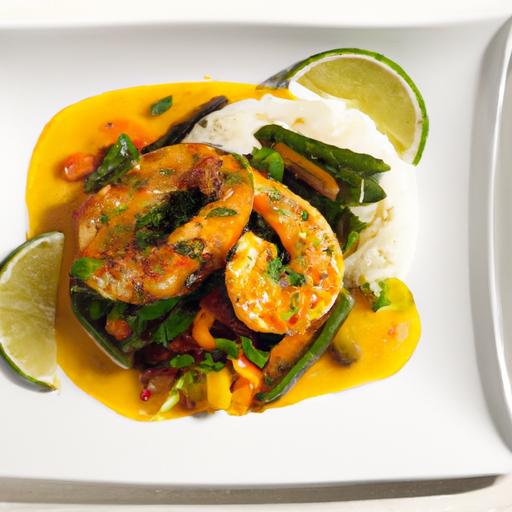

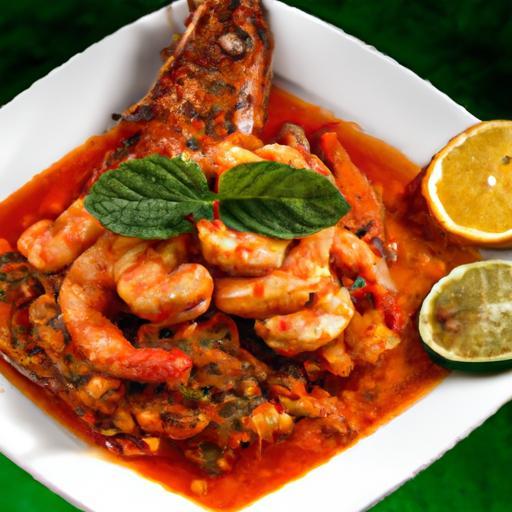
Nestled along teh shimmering coastline of East africa, Tanzania offers a culinary treasure that captures the very essence of its vibrant culture and bountiful seas: mchuzi wa Samaki. This beloved fish stew, rich with fragrant spices and the freshest catch from the Indian Ocean, is more than just a dish-it’s a flavorful journey into the heart of Tanzanian tradition.In every spoonful, the layers of coconut milk, tamarind, and indigenous herbs tell a story of coastal communities, their history, and their deep connection to the ocean’s gifts. Join us as we delve into the aromatic world of Mchuzi wa Samaki, savoring the rich flavors that define Tanzania’s coastal cuisine and celebrating the heritage simmering in every pot.
Savoring Tanzania’s Mchuzi wa Samaki offers a vibrant gateway into East African coastal cuisine, where fresh fish meets an aromatic symphony of spices and creamy coconut milk. This iconic Tanzanian fish stew tells a tale of cultural fusion-Swahili maritime heritage blending with indigenous East African flavors-creating a dish that is both soul-satisfying and celebratory. I vividly remember my first taste, sitting on a sunlit porch overlooking the Indian Ocean, where the stew’s warm spices and tender fish captured the essence of Tanzania’s rich culinary traditions.
Prep and Cook Time
- Readiness: 20 minutes
- Cooking: 40 minutes
- Total Time: 1 hour
Yield
- Serves 4 hearty portions
Difficulty Level
- Medium – Ideal for adventurous cooks seeking authentic flavors
Exploring Key Ingredients That Define Its Unique Taste
- Fresh white fish fillets (traditionally kingfish or snapper) provide a delicate and flaky texture essential to the stew’s success.
- Coconut milk thickens the broth while adding subtle sweetness,grounding the bold spices.
- Fresh tomatoes and tamarind paste balance acidity and brightness, elevating the stew’s complexity.
- Swahili spices such as cumin, coriander, turmeric, and a touch of cayenne create the characteristic warmth without overwhelming heat.
- Fresh ginger, garlic, and onions serve as the aromatic foundation that infuses the mchuzi with deep, layered flavor.
Step by Step Guide to Preparing Authentic Mchuzi wa Samaki
- Prepare the fish: Rinse 600g fresh white fish fillets under cold water and pat dry. Cut into generous chunks, set aside. For firmer texture, marinate briefly in salt, lemon juice, and turmeric.
- Sauté aromatics: Heat 3 tablespoons of vegetable oil in a deep pan over medium heat. Add 1 finely chopped large onion and sauté until translucent and fragrant, about 5 minutes.
- Add ginger and garlic: Stir in 2 teaspoons grated fresh ginger and 4 minced garlic cloves, cooking for 2 more minutes to bloom their fragrances without burning.
- incorporate spices: Sprinkle in 1 teaspoon ground cumin, 1 teaspoon ground coriander, 1/2 teaspoon turmeric, 1/4 teaspoon cayenne pepper, and season with salt to taste. Stir well to toast the spices gently, releasing their essential oils.
- Add tomatoes and tamarind: Pour in 2 medium diced fresh tomatoes and 1 tablespoon tamarind paste dissolved in 1/4 cup warm water. Cook until tomatoes break down and the mixture thickens, about 10 minutes.
- Add coconut milk: Stir in 400ml coconut milk, allowing the stew to simmer gently, melding all flavors together for 10 minutes. Adjust seasoning, adding a pinch of sugar if necessary to balance acidity.
- Simmer the fish: Carefully nestle the fish pieces into the sauce, spooning the broth over them. Cover and simmer for 8-10 minutes or until the fish is opaque and flakes easily.
- Final touches: Garnish with freshly chopped cilantro and a squeeze of lime to brighten the flavors before serving.
Chef’s Notes
- Using firm white fish ensures the fillets hold shape during simmering. tilapia or cod are excellent alternatives if local varieties aren’t available.
- For a spicier version, increase the cayenne pepper incrementally and add chopped fresh chili peppers.
- Make-ahead tip: The stew’s flavors deepen if prepared a day ahead and gently reheated before serving.
- Substitute coconut cream for a richer stew, or reduce coconut milk for a lighter broth.
- Fresh tamarind paste is preferred over bottled for authentic tanginess; soak and strain tamarind pulp if using raw pods.
Pairing Your Dish: The Perfect Accompaniments for a True Tanzanian Feast
To authentically savor Mchuzi wa Samaki, pair it with ugali-a firm maize flour porridge whose neutral taste elegantly absorbs the stew’s robust flavors. For an enhanced sensory experience, serve alongside kachumbari, a refreshing tomato and onion salad with a hint of chili and lime that cuts through the creaminess perfectly. Complement the meal with steamed greens such as sukuma wiki (collard greens) lightly sautéed with garlic for extra earthiness.
Complete the feast with warm, crusty bread or chapati to soak with the luscious broth.A chilled glass of coconut water or a light Tanzanian beer will refresh the palate beautifully.

| Nutrient | Per Serving |
|---|---|
| Calories | 320 kcal |
| Protein | 35 g |
| Carbohydrates | 10 g |
| Fat | 15 g |
For a deeper dive into East African culinary traditions and a variety of other authentic Tanzanian recipes, visit our Tanzanian Recipes Collection. Further enriching your knowledge, explore the ancient context and health benefits of coconut milk at NCBI’s research article on coconut milk.
Q&A
Q&A: Savoring Tanzania – The Rich Flavors of Mchuzi wa Samaki
Q1: What is Mchuzi wa Samaki, and why is it special in Tanzanian cuisine?
A1: Mchuzi wa Samaki, which translates to “fish stew,” is a beloved Tanzanian dish known for its vibrant, aromatic flavors and comforting warmth. It’s special because it effortlessly marries the bounty of the Indian Ocean with indigenous spices and coconut milk, creating a rich, satisfying dish that tells the story of Tanzania’s coastal heritage.Q2: What types of fish are typically used in Mchuzi wa Samaki?
A2: Coastal regions often use fresh, local fish such as kingfish, tilapia, or snapper. The catch of the day influences the stew’s flavor, making each preparation uniquely tied to Tanzania’s thriving fishing communities.
Q3: What are the key ingredients that make Mchuzi wa Samaki flavorful?
A3: The magic lies in a blend of fresh tomatoes, onions, garlic, ginger, and a medley of spices like turmeric, cumin, and coriander. Coconut milk is essential, lending a creamy texture and mellow sweetness that balances the spices and the delicate fish perfectly.
Q4: How is Mchuzi wa Samaki typically prepared?
A4: The preparation begins by sautéing onions, garlic, and ginger to create an aromatic base. Next, tomatoes and spices are added to form a rich sauce. the fish is gently simmered in this sauce with coconut milk until tender, allowing the flavors to meld.It’s a simple but deliberate process that honors the freshness of the ingredients.
Q5: What cultural importance does Mchuzi wa Samaki hold in tanzania?
A5: More than just a dish, Mchuzi wa Samaki embodies Tanzania’s coastal identity and the fusion of African, Arab, and Indian culinary influences. It’s a staple at family gatherings and festive occasions, symbolizing hospitality and the sharing of abundance from the sea.
Q6: How is Mchuzi wa samaki typically served?
A6: Traditionally, it’s served hot alongside staples such as ugali (a stiff maize porridge), rice, or even chapati. These accompaniments soak up the luscious stew, making every bite hearty and satisfying.
Q7: Can Mchuzi wa Samaki be adapted for different dietary preferences?
A7: Absolutely! While fish is the star, some variations substitute seafood or even vegetables for a lighter or vegetarian twist.The core essence-rich spices and creamy coconut-remains,meaning the stew’s soul is preserved no matter the adaptation.
Q8: Why should travelers to Tanzania try Mchuzi wa Samaki?
A8: Sampling Mchuzi wa Samaki is like tasting the Tanzanian coast itself-vibrant,diverse,and deeply connected to the land and sea. It invites visitors to experience the country’s history and hospitality through a comforting,flavorful meal that lingers long after the last bite.
Embrace the culinary journey and let Mchuzi wa Samaki transport your senses to the sunny shores of Tanzania, where every spoonful tells a tale of tradition, flavor, and community.
Key Takeaways
As the last spoonful of Mchuzi wa Samaki lingers on the palate, you’re left not just with the memory of its vibrant, tangy warmth but with a deeper gratitude for Tanzania’s rich culinary heritage. This beloved fish stew, woven from generations of coastal tradition and the bounties of the Indian Ocean, invites us to savor not only its complex layers of flavor but also the stories and cultures simmering within each bite. Whether enjoyed on a bustling Dar es Salaam street or in the comforting quiet of a home kitchen, Mchuzi wa Samaki stands as a delicious testament to Tanzania’s vibrant spirit-an edible journey that nourishes both body and soul.