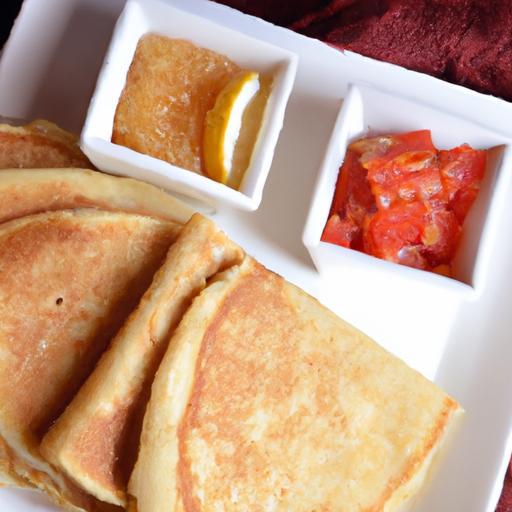

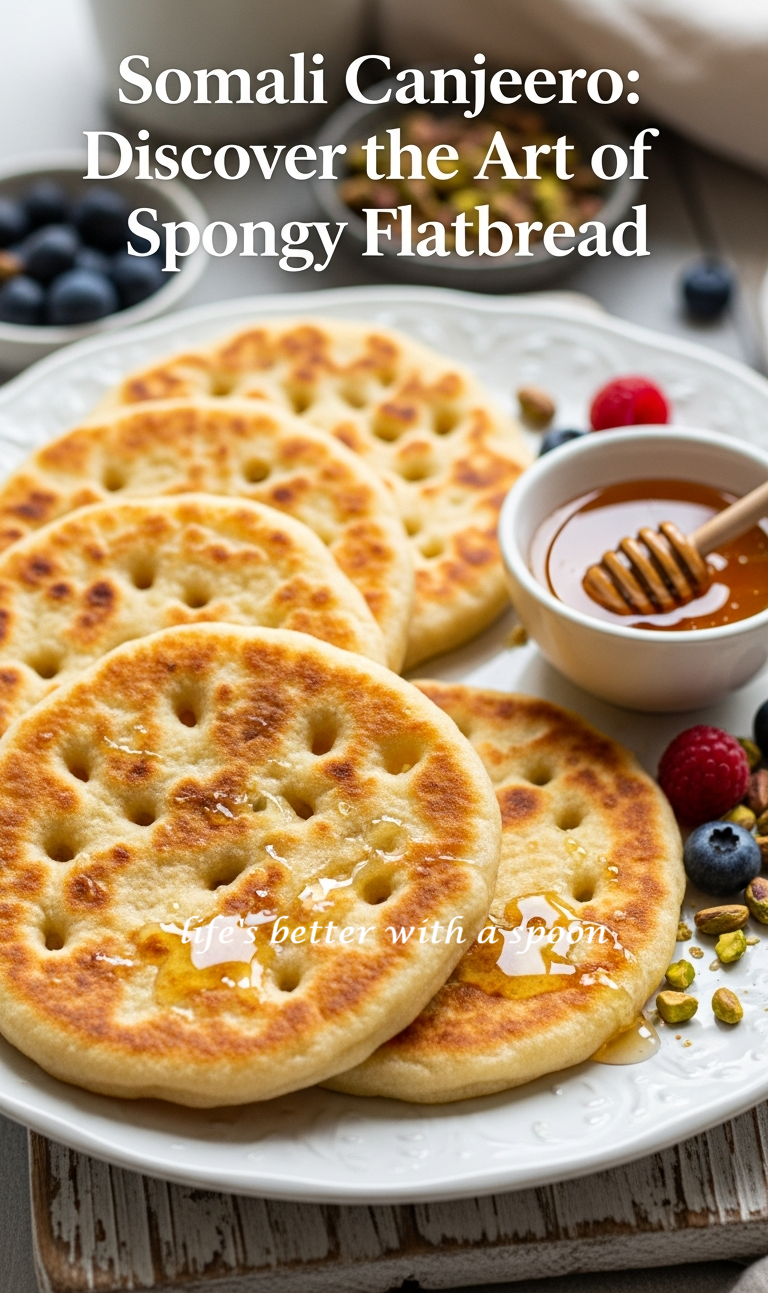
In the vibrant tapestry of Somali cuisine, one humble staple rises as both comfort and cultural emblem: the canjeero. This spongy, golden flatbread, with its delicate bubbles and subtle tang, is more than just a breakfast favorite-it is indeed a culinary tradition passed down through generations, weaving together history, community, and flavor. As you delve into the art of making Somali canjeero, you’ll uncover a dance of simple ingredients transformed through patience and skill into a bread that is as versatile as it is comforting. Join us on a flavorful journey to discover how this cherished flatbread captures the essence of Somali heritage, one soft, airy bite at a time.
Somali Canjeero is more than just a spongy flatbread; it is indeed a beloved staple steeped in history and cultural richness across the Horn of Africa. its light, airy texture and slightly tangy flavor evoke the warm breakfast tables of Somali households, where generations gather to share stories and savor this simple yet profound comfort food. Originating as a variant of Ethiopian injera but uniquely shaped and prepared, Canjeero captures the essence of community and tradition, representing both sustenance and celebration in Somali cuisine.
Prep and Cook Time
- Planning: 12 hours (including fermentation)
- Cooking: 20 minutes
Yield
10-12 canjeero (approximately 6-inch diameter each)
Difficulty Level
Medium – requires attention to batter consistency and timing
Ingredients
- 2 cups all-purpose flour, sifted
- 1 cup fine semolina flour
- 3 cups warm water (approximately, adjust as needed)
- 1 teaspoon active dry yeast
- 1/2 teaspoon sugar
- 1/2 teaspoon salt
- 1 tablespoon plain yogurt (optional for richer flavor)
- Vegetable oil or ghee, for greasing the pan
Instructions
- Activate the yeast: In a small bowl, dissolve the sugar in 1/2 cup warm water (about 110°F). Sprinkle yeast over the surface, stir gently, and let it sit for 10 minutes until frothy.
- Prepare the batter: In a large mixing bowl,combine sifted all-purpose flour,semolina flour,and salt. Gradually whisk in the remaining warm water and activated yeast mixture.
- Add optional yogurt: Stir in yogurt to enhance tanginess and texture, then mix until smooth, scraping down the sides to prevent lumps.
- Fermentation: Cover the bowl with a clean kitchen towel or plastic wrap and leave the batter to ferment overnight or for 8-12 hours at room temperature. The batter should become bubbly and slightly sour – a sign of perfect fermentation.
- Check batter consistency: After fermentation, stir the batter gently. It should be pourable but thick enough to coat the back of a spoon. Add a little water if too thick or a sprinkle of flour if too thin.
- heat the pan: Place a non-stick skillet or traditional canjeero pan over medium heat. lightly grease with oil or ghee using a paper towel.
- Cook the canjeero: Pour about 1/4 cup batter into the hot pan, swirling promptly in a circular motion to spread evenly (about 5-6 inches diameter). Cover with a lid and cook for 2-3 minutes or until bubbles appear and the surface sets. the underside should be golden and slightly browned.
- Do not flip: Unlike pancakes, Canjeero is cooked on one side only. Remove carefully and place on a clean plate. Repeat with remaining batter, greasing the pan between each.
- Serve warm: Layer the canjeero on a serving platter, covering with a clean towel to keep soft and fluffy.
Tips for Success
- Fermentation is key: Don’t rush this step. A long fermentation allows natural sourness and bubbles which create that signature spongy texture.
- Batter texture: The consistency should resemble heavy cream. Adjust water or flour little by little for the perfect batter flow.
- Pan temperature matters: Medium heat is crucial; too high and the canjeero burns before cooking through, too low and the texture becomes dense.
- Make-ahead: Once cooked, wrap canjeero in foil or place in an airtight container and refrigerate up to 3 days. Reheat wrapped in a low oven or microwave with a damp paper towel to retain softness.
- Ingredient swaps: Substitute semolina with fine cornmeal or barley flour for a slight twist, maintaining the elastic texture.
Serving Suggestions and Traditional Accompaniments to Elevate Your Canjeero Experience
Hello to the perfect canvas, canjeero pairs beautifully with a variety of savory and sweet sides. Traditionally, it’s enjoyed with honey and ghee drizzled on top for breakfast, or alongside spiced stews like somali suugo and lentil soups. For an authentic experience, offer small bowls of fresh chopped tomatoes, cilantro, and jalapeños mixed with lemon juice to add brightness.
For a visually stunning presentation, stack the canjeero in a tall pile on a rustic wooden board, garnishing with sprigs of fresh coriander and sliced avocados. Bright red chili oil or a spoonful of tangy yogurt on the side can also enhance the flavor contrast. Try folding the canjeero into quarters to hold fillings like spiced scrambled eggs or sautéed vegetables for a tasty handheld meal.

nutritional Details (per canjeero)
| Calories | Protein | Carbs | Fat |
|---|---|---|---|
| 120 kcal | 4 g | 24 g | 1.5 g |
For an expert dive into similar fermented flatbreads and their culinary roots, visit encyclopaedia Britannica’s Injera Overview.
Q&A
Q&A: Somali Canjeero – Discover the Art of Spongy Flatbread
Q1: What exactly is Canjeero?
A: Canjeero is a traditional Somali flatbread known for its delightfully spongy texture and slightly tangy taste.Frequently enough enjoyed at breakfast, it’s akin to a crepe or pancake but with a unique fermentation process that gives it its signature flavor and softness.
Q2: How does canjeero differ from other flatbreads?
A: Unlike typical flatbreads that rely on direct leavening agents like baking powder, Canjeero is naturally fermented, which develops its airy, porous structure. This fermentation not only affects texture but also imparts a subtle sourness, making it a distinctive Somali culinary treasure.
Q3: What ingredients go into making Canjeero?
A: The basic ingredients are simple: flour (usually a mix of white and whole wheat), water, a pinch of salt, and a starter or natural yeast for fermentation. Some recipes may also include sorghum or millet flours to enhance flavor and texture.
Q4: How is Canjeero traditionally prepared?
A: The batter sits to ferment overnight or for several hours, allowing natural yeasts to work their magic. then, it’s cooked on a hot griddle in a thin, circular layer, forming a golden exterior while keeping the inside soft and bubbly.the cooking requires skillful timing to achieve that perfect sponginess.
Q5: What makes Canjeero so special culturally?
A: Canjeero is more than just food-it’s a symbol of somali hospitality and identity. Sharing Canjeero with family and guests is a cherished tradition that brings people together.It’s often served with honey, ghee, or savory stews, reflecting the warm, communal spirit of Somali culture.
Q6: Can canjeero be enjoyed beyond breakfast?
A: Absolutely! While it’s a breakfast staple, Canjeero’s versatility means it can accompany any meal. It pairs beautifully with meat stews, lentils, or simply dipped in spiced butter, making it a year-round favorite.
Q7: Is making Canjeero at home difficult?
A: The fermentation process requires patience, but the method is surprisingly accessible. With a bit of practice and attention to batter consistency and cooking temperature, anyone can master the art of Canjeero and invite a taste of Somalia into their kitchen.
Q8: Where can one find authentic Canjeero outside Somalia?
A: Many Somali communities across the world serve Canjeero in local restaurants and markets. Additionally, online recipes and cooking tutorials have made it easier for food enthusiasts everywhere to recreate this beloved flatbread at home.
Q9: what are some creative ways to enjoy Canjeero?
A: Beyond traditional accompaniments, try Canjeero as a wrap for grilled meats or vegetables, use it as a base for creative toppings like avocado and eggs, or even experiment with sweet versions featuring berries and cream-there’s no end to its delicious adaptability!
Discovering Canjeero is discovering a piece of Somali heritage that’s both humble and extraordinary, a perfect blend of history, culture, and flavor rising gently in every spongy bite.
Closing Remarks
From the humble griddle of Somali kitchens emerges Canjeero-a spongy flatbread that is much more than just a staple. It’s a living tradition, a culinary art passed down through generations, each bubble and fold telling a story of community, culture, and comfort. Whether enjoyed with honey’s sweetness, savory stews, or simply butter, Canjeero invites you to experience a taste that’s as textured and rich as Somalia’s heritage. So next time you seek a slice of authentic flavor with a soft embrace, let Canjeero transport your senses to the heart of the Horn of Africa, one delightful bite at a time.