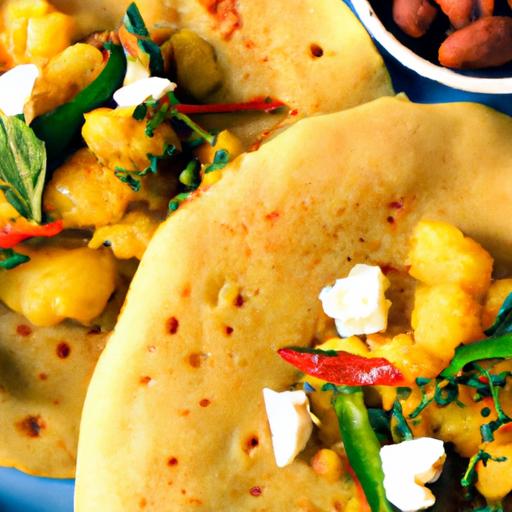

Beneath the vast skies of the Horn of Africa,a culinary treasure has been quietly captivating taste buds for centuries: Somali canjeero. This fluffy, golden flatbread-light as a cloud yet rich with history-serves as both staple and symbol at Somali tables near and far. More than just a breakfast treat, canjeero weaves together tradition, culture, and flavor in each delicate fold, inviting us to uncover the story behind its irresistible texture and timeless appeal. Join us as we delve into the art and heritage of this beloved flatbread, revealing why Somali canjeero truly deserves its place in the global tapestry of delightful foods.
Somali Canjeero is much more than a simple flatbread; it stands as a cultural emblem deeply woven into the daily lives and celebrations of Somali households. This airy, slightly tangy pancake-like bread has its roots tracing back centuries, symbolizing hospitality, unity, and nourishment. The delicate fermentation process gives it that signature fluffiness and subtle sourness, evoking memories of communal breakfasts enjoyed with loved ones around a shared table. Whether dusted with sugar during a festive morning or paired with savory stews, mastering Somali Canjeero invites you to experiance Somali heritage in each bite.
Prep and Cook Time
- Readiness: 10 minutes
- Fermentation: 6-8 hours (or overnight)
- Cooking: 20 minutes
- Total Time: Approximately 7 hours
Yield
Makes about 12 medium-sized canjeeros, perfect for 4-6 servings.
Difficulty Level
Medium – requires fermentation time and careful attention to cooking technique.
Essential Ingredients and Techniques for Authentic Flavor
- 2 cups all-purpose flour, sifted
- 1 cup fine semolina (optional for extra texture)
- 2 tbsp active dry yeast
- 2 tbsp sugar
- 1 tsp salt
- 3 cups warm water (approximate, adjust for batter consistency)
- 1 tbsp vegetable oil (for cooking)
Instructions
- Activate the yeast: In a small bowl, dissolve 2 tbsp sugar in 1 cup of warm water (about 110°F). Sprinkle the yeast over and let it bloom for 5-10 minutes until frothy.
- Create the batter: In a large mixing bowl, combine all-purpose flour, semolina, and salt. Slowly add the activated yeast mixture and the remaining 2 cups of warm water while whisking continuously. The batter should be thin enough to spread easily but not too watery-similar to crepe batter.
- Ferment the batter: Cover the bowl with a clean cloth and leave in a warm place for 6-8 hours or overnight. This fermentation gives the batter its characteristic tangy flavor and helps develop the signature fluffiness.
- Prepare to cook: Once fermented,gently stir the batter.If it’s too thick,add a little water to reach a pourable consistency again.Preheat a non-stick skillet or conventional canjeero pan over medium heat. Lightly grease with vegetable oil.
- Cook the canjeero: Pour a ladleful of batter onto the hot pan, swirling gently to spread it into a round, thin layer about 6-8 inches in diameter. Cook without flipping for 2-3 minutes, until bubbles form on the surface and the edges lift slightly.
- Finish and serve: The bottom should be golden brown while the top remains soft and porous. Slide the canjeero off the pan and stack on a warm plate. Repeat with remaining batter, adding oil between batches as needed.
Tips for Success
- Consistency is key: Aim for a thin,batter that smoothly coats the pan but does not run off like water.
- Fermentation environment: To speed up fermentation, place the batter in a warm spot around 75°F-85°F. Cold kitchens may require longer fermentation.
- Optional sweetness: Adjust sugar to taste; some prefer canjeero with a touch more for breakfast variations served with honey or butter.
- Batch cooking: Canjeero can be made in advance and frozen stacked with parchment between each. Reheat gently on a pan before serving.
- Substitutions: For gluten-free options, try a blend of sorghum and rice flour with similar fermentation techniques, even though texture will vary.
Creative Serving Suggestions to Elevate Your Canjeero Experience
Traditionally enjoyed with spiced Somali stews or fresh honey and ghee, Somali Canjeero also pairs beautifully with contemporary twists that make it your own:
- Brush warm canjeero with melted clarified butter, sprinkle with cinnamon sugar, and fold it for a luscious breakfast treat.
- Serve alongside a hearty lentil or chickpea stew, letting the soft bread soak up the rich broth.
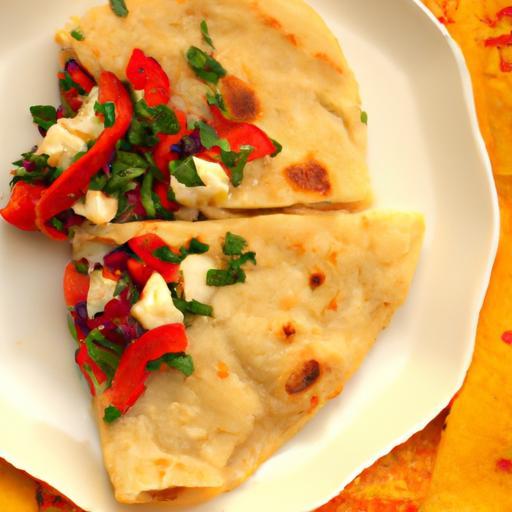
- Top canjeero with sliced avocado, tomatoes, and a drizzle of tahini for a fresh, healthy brunch option.
- Create a wrap using sautéed spiced vegetables and grilled meats,transforming canjeero into a versatile flatbread wrap.
- Garnish with a sprinkle of toasted sesame seeds or chopped fresh cilantro for an added flavor dimension.
| Nutrition (per canjeero) | Calories | Protein | Carbs | Fat |
|---|---|---|---|---|
| Standard Serving | 110 kcal | 3 g | 22 g | 1 g |

For further inspiration and to dive deeper into the rich world of Somali cuisine, check out our Somali Main Course Recipes. To explore the nutritional science behind fermented foods like canjeero, the National Institutes of Health offers an excellent resource.
Q&A
Q&A: Somali Canjeero – The Fluffy Flatbread Delight Uncovered
Q1: What exactly is Somali Canjeero?
Canjeero (also spelled canjeelo) is a beloved Somali flatbread, famous for its unique fluffy texture and slightly tangy flavor. Think of it as a gorgeous marriage between a crepe and a pancake, light enough to fold but hearty enough to fill your belly. It’s a breakfast staple across somalia and the Horn of Africa, ofen accompanied by honey, ghee, or savory stews.
Q2: how does Canjeero differ from other flatbreads?
Unlike dense,chewy flatbreads such as naan or chapati,Canjeero is incredibly airy and soft,thanks to a fermentation process that creates tiny bubbles throughout the batter. this fermentation also gives it a subtle sourdough-like tang that balances perfectly with sweet or savory toppings, setting it apart from typical unleavened flatbreads.
Q3: What ingredients go into making Canjeero?
traditionally, Canjeero is made with simple pantry staples: teff or sorghum flour, all-purpose flour, water, and a pinch of salt. Sometimes a bit of sugar is added to aid fermentation. The magic lies in letting the batter sit overnight, allowing natural yeasts to develop those signature bubbles and that delightful tang.
Q4: Is Canjeero gluten-free?
It depends. If made solely with teff or sorghum flour, Canjeero is naturally gluten-free, making it a fantastic option for those with gluten sensitivities. However, many recipes blend in wheat flour to achieve a lighter texture, so it’s always good to check or make your own if you need to avoid gluten.
Q5: How is Canjeero traditionally served?
Canjeero is incredibly versatile.In Somalia, it’s often served with a drizzle of honey or a pat of ghee for breakfast, sometimes with black tea on the side. For lunch or dinner,it transforms into a scoop for flavorful meat stews (suqaar),lentils,or spicy sauces,much like injera in Ethiopian cuisine but thinner and fluffier.
Q6: Can I make Canjeero at home?
Absolutely! While it requires patience during fermentation, Canjeero is surprisingly easy to make with just a few ingredients and a non-stick skillet. The key is resting the batter overnight and cooking on medium heat until bubbles appear on the surface, then flipping briefly. the result is a golden, soft pancake-like flatbread perfect for any meal.
Q7: Why has Canjeero become popular outside Somalia?
As somali diaspora communities have spread across the globe, so has their cuisine. Food lovers appreciate Canjeero’s intriguing texture and adaptable nature, fitting seamlessly into sweet or savory dishes. Its healthful fermentation and gluten-free potential have also caught the eye of the wellness-conscious, propelling Canjeero into the global flatbread spotlight.
Q8: What’s the cultural significance of Canjeero in Somali life?
more than just food, Canjeero is a symbol of home and community. Sharing canjeero during breakfast conversations or festive meals embodies Somali hospitality and connection. It links generations through tradition, carrying stories and comfort across borders.
Q9: Are there any interesting variations of Canjeero?
Yes! Some families add sugar or a dash of cardamom for a hint of spice, while others incorporate millet or barley flour depending on regional availability. In coastal areas, Canjeero might be paired with fresh coconut or banana, elevating this humble flatbread into a tropical delight.
Q10: What’s the best way to enjoy Canjeero for someone new to it?
Start simple: try Canjeero warm with a drizzle of honey and a smear of ghee to experience its sweet, tangy, and buttery harmony. Once you’re hooked, venture into savory territory by pairing it with spiced lentils or a rich stew to truly unlock its versatility and depth. Enjoy this fluffy flatbread delight – a bite of somali tradition on your plate!
In Summary
As we fold the story of Somali canjeero into our culinary memories, it’s clear that this humble flatbread is much more than a breakfast staple-it’s a soft, spongy testament to Somalia’s rich cultural tapestry. From its delicate fermentation that yields a perfect fluffiness to the way it effortlessly cradles honey, stew, or chai, canjeero invites us to experience a slice of Somali life with every bite. So next time you seek a new taste adventure, let the canjeero’s gentle tang and airy texture transport you to the vibrant kitchens and warm gatherings where this flatbread has long been a beloved delight. In unraveling the layers of canjeero,we uncover not just a dish,but a tasty emblem of tradition,community,and the simple joy of good food.