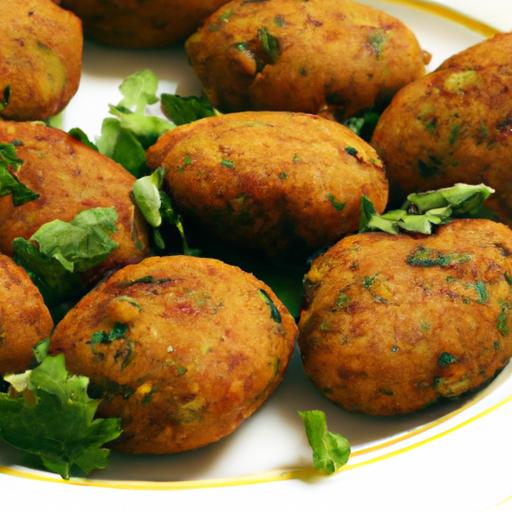

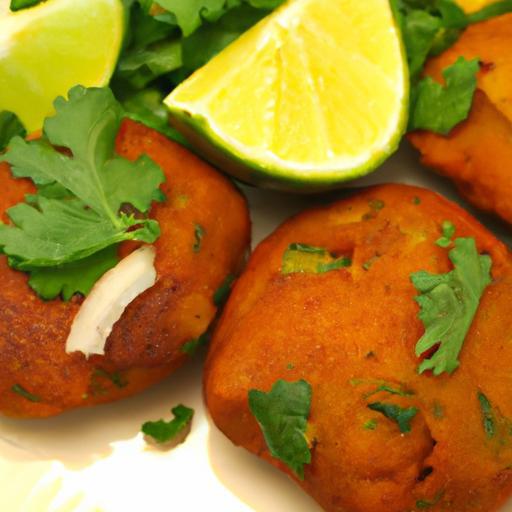
In the bustling streets of Khartoum, where the scent of spices mingles with the vibrant hum of daily life, a beloved culinary treasure sizzles in every corner-sudanese Tamia. These crispy fava bean patties, golden and fragrant, are more than just a street food snack; they are a crispy testament to sudan’s rich history and communal spirit. Rooted deeply in the heart of Khartoum, Tamia offers a flavorful journey into Sudanese culture, blending ancient tradition with simple, wholesome ingredients. Join us as we explore the origins, planning, and cultural significance of this iconic dish, savoring the crackling textures and bold flavors that have made Tamia a cherished staple from the banks of the Nile to tables worldwide.
Sudanese Tamia is a culinary gem cherished across Khartoum’s streets, where crispy fava bean patties crackle golden in hot oil, offering a savory bite bursting with tradition.This dish, rooted deeply in Sudanese culture, embodies the richness of simple ingredients elevated by time-honored techniques, making every crunchy mouthful an authentic journey through Sudan’s vibrant flavorscape.
Prep and Cook Time
- Preparation: 20 minutes (plus soaking time)
- Cooking: 15 minutes
- Total Time: 35 minutes (excluding soaking)
Yield
Serves 4-6 people (approx. 12-16 patties)
Difficulty Level
medium – Ideal for home cooks seeking a flavorful project with hands-on frying techniques.
Ingredients
- 2 cups dried fava beans, soaked overnight and drained
- 1 medium onion, roughly chopped
- 4 garlic cloves, minced
- 1 cup fresh parsley leaves, packed
- 1 cup fresh cilantro leaves, packed
- 2 teaspoons ground coriander
- 1 teaspoon ground cumin
- ½ teaspoon cayenne pepper (adjust to preference)
- Salt and black pepper, to taste
- 1 teaspoon baking powder
- 3 tablespoons all-purpose flour (more as needed for binding)
- Vegetable oil, for frying (enough for deep frying)
Instructions
- Drain and rinse the soaked fava beans. Transfer them to a food processor. Pulse in short bursts until you achieve a coarse, grainy paste-avoid pureeing into a smooth paste to retain the ideal texture.
- Add onion, garlic, parsley, and cilantro to the food processor. blend together until the mixture forms a thick, uniform paste with flecks of green herbs evenly distributed.
- Transfer the mixture to a large bowl. Stir in the ground coriander, ground cumin, cayenne pepper, salt, black pepper, and baking powder.
- Add flour gradually, about 1 tablespoon at a time. Mix gently until the batter binds well but remains moist-this helps create that perfect crispy exterior without dryness.
- Refrigerate the mixture for at least 30 minutes. This resting time firms the batter, making it easier to shape your tamia patties.
- Heat vegetable oil in a deep pan or fryer to 350°F (175°C). Use enough oil for the patties to float and crisp evenly.
- Shape the batter into small,oval patties just larger than bite-sized,about 2 inches long and ¾ inch thick.
- Fry the tamia patties in batches, avoiding overcrowding. Cook each side for about 3-4 minutes until a deep golden brown crust forms. Use a slotted spoon to turn gently for even cooking and crispiness.
- Drain the fried patties on a paper towel-lined plate to absorb excess oil.
- Serve immediately for the crispiest experience or keep warm in a low oven while frying remaining batches.
Tips for Success
- Soaking fava beans overnight softens them and eases blending. If short on time, soak in hot water for 3 hours but avoid skipping this step.
- Do not over-process the fava bean mixture; a slightly grainy texture is key to traditional Sudanese Tamia’s distinctive crunch.
- Adjust spice heat by varying cayenne pepper, or add a pinch of smoked paprika for smoky notes.
- Test fry one patty before frying the entire batch to check seasoning and frying temperature.
- Make ahead tip: The batter can be refrigerated up to 24 hours. Shape and fry just before serving for best results.
- Vegetarian and protein-packed: These patties pair beautifully with other plant-based dishes for a balanced meal.
Serving Suggestions to Elevate Your Tamia Experience
Present the golden Sudanese tamia patties alongside crisp, handmade pita bread or freshly made flatbread. A splash of cooling tahini sauce drizzled over the top and a sprinkle of finely chopped fresh herbs-cilantro or parsley-elevate the flavors. For fresh acidity and balance, accompany with tangy pickled vegetables or a simple salad of cucumber, tomato, and red onion dressed with lemon juice and olive oil.
For a hearty meal, serve with a side of creamy lentil stew or spicy tomato chutney to deepen the flavor layers. Tamia also shines as a finger food garnished with a dusting of sumac or served with a side of fiery harissa for those who love a bit of heat.

| Nutrient | Per Patty (30g) |
|---|---|
| Calories | 70 kcal |
| Protein | 4 g |
| Carbohydrates | 8 g |
| Fat | 3 g |
For those eager to explore complementary Sudanese dishes, check out our guide on Sudanese Harissa-Spiced Chicken.To deepen your knowledge of fava bean varieties and health benefits,visit Healthline’s detailed fava bean nutrition page.
Q&A
Q&A: Sudanese Tamia – Crispy Fava bean Patties from Khartoum’s Heart
Q1: What is Sudanese Tamia?
A1: Sudanese Tamia, often referred to simply as “Tamia” in Khartoum, is a beloved street food featuring crispy patties made from fava beans. These golden-brown delights are seasoned with a blend of fragrant spices and herbs, then fried to perfection, creating a crunchy exterior that hides a tender, flavorful center.
Q2: How does Sudanese Tamia differ from other falafel varieties?
A2: While falafel is widely made with chickpeas in many Middle Eastern countries, Sudanese Tamia predominantly uses fava beans, giving it a unique earthy richness. The spice profile in Sudanese Tamia often incorporates more cumin, garlic, and fresh herbs like coriander and parsley, making it aromatic and distinctly Sudanese in flavor.
Q3: What is the ancient or cultural significance of Tamia in Sudan?
A3: Tamia is more than just a snack in Khartoum-it’s woven into the city’s social fabric. Sold at bustling street corners, breakfast stalls, and family kitchens alike, Tamia serves as a communal comfort food. Its origins reflect Sudan’s position at a cultural crossroads,blending Nubian,Arab,and African culinary traditions.
Q4: How is Sudanese Tamia traditionally prepared?
A4: The process begins with soaking dried fava beans until soft, then grinding them finely. The batter is mixed with chopped onions, garlic, fresh herbs, salt, and spices like cumin and chili. Small patties are shaped by hand and deep-fried until crisp and golden.They are usually served hot,frequently enough accompanied by freshly baked bread,tangy sauces,and crunchy salad.
Q5: Can Sudanese Tamia be enjoyed beyond Khartoum?
A5: Absolutely! Sudanese Tamia offers a flavorful gateway to Sudanese cuisine for food lovers worldwide. Its simple ingredients and bold, comforting taste make it adaptable for home cooks and restaurant menus alike. Plus, its vegan and protein-rich nature appeals to health-conscious diners everywhere.
Q6: what makes Tamia a must-try food for visitors to Sudan?
A6: Trying Tamia in Khartoum is like tasting a piece of the city’s soul. It’s affordable, satisfying, and bursting with layers of flavor that tell the story of Sudan’s culinary heritage. Whether enjoyed with a cup of Khartoum’s famous black tea or as part of a hearty breakfast spread, Tamia leaves a crispy, savory impression you won’t forget.Q7: Are there any special tips for making Tamia at home?
A7: Yes! To achieve that iconic crispiness, make sure the oil is hot enough before frying-around 350°F (175°C). Don’t overwork the batter; a coarse texture keeps the patties light. fresh herbs and garlic are key to authentic flavor, so use them generously. serve Tamia immediately after frying to enjoy its perfect crunch.
Q8: How is Tamia typically served in Sudan?
A8: Tamia is often served wrapped in soft, warm flatbread along with a drizzle of tahini or a spicy chili sauce. it’s common to accompany it with sides like pickled vegetables,fresh tomatoes,and onions,creating a balanced and vibrant meal that’s both portable and deeply satisfying.
Exploring Sudanese Tamia is a delicious way to connect with Khartoum’s vibrant street culture and its rich culinary tapestry-one crispy fava bean patty at a time.
To Wrap It Up
As the aroma of golden, crispy Tamia wafts through the bustling streets of Khartoum, it carries with it more than just the promise of a delicious bite-it tells a story of heritage, community, and resilience. These humble fava bean patties, born from centuries-old traditions, continue to be a beloved staple that connects Sudanese people to their roots with every crunch. Whether savored in the early morning markets or served as a hearty snack under the warm sudanese sun, Tamia remains a flavorful tribute to Khartoum’s vibrant soul. So next time you seek a taste of Sudan, let Tamia be your guide-a crispy, savory journey into the heart of a nation’s culinary identity.