
In the vibrant tapestry of South African cuisine, few treats capture the spirit of heritage and sweetness quite like the beloved koeksister. These golden, syrup-soaked twists of dough are more than just a dessert-they are a appetizing portal into the country’s rich cultural mosaic. Sweet horizons: Exploring South African Koeksisters delight invites you on a flavorful journey through the origins, traditions, and mouthwatering varieties of this iconic confection. From bustling market stalls to cozy kitchen tables, discover how koeksisters weave tales of community, celebration, and timeless indulgence into every sticky, crunchy bite.
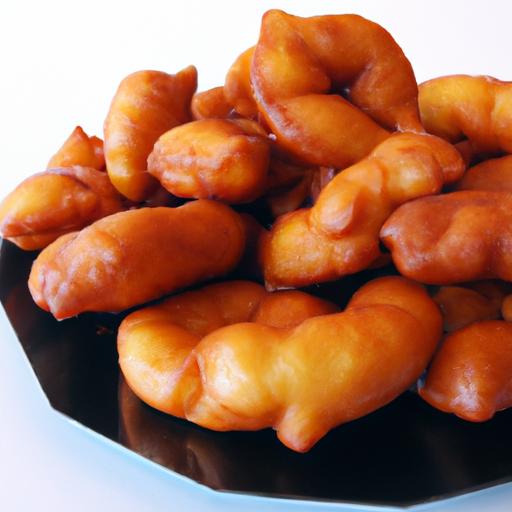
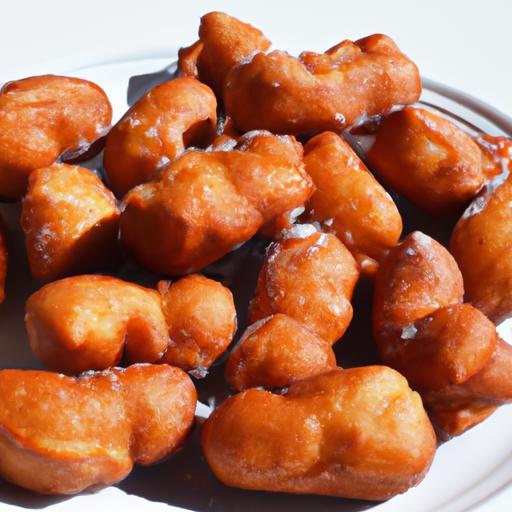
Sweet Horizons: Exploring South African Koeksisters Delight invites you on a flavorful journey into one of South Africa’s most beloved sweet treats. Originating from the rich blend of Afrikaner and Cape Malay cultures, the koeksister is more than just a syrup-soaked pastry-it’s a symbol of community, celebration, and the art of sweet indulgence.Imagine biting into a braided,golden exterior that crackles softly,releasing a cascade of sticky,honeyed syrup that dances across your palate. This iconic dish has been cherished for generations, often shared during festivals, family gatherings, and moments of joy across South Africa’s vibrant culinary landscape.
The Art of Crafting the Perfect Koeksister Texture and Flavor
Achieving the ideal koeksister requires mastering a delicate balance: the exterior must be crisp and lightly crunchy, while the inside remains tender yet firm, infused with fragrant syrup so sweet it melts in your mouth without overwhelming. The dough-a simple blend of flour, yeast, and buttermilk-is meticulously braided, then deep-fried to a perfect golden brown. The moment these braided pastries meet the sweltering syrup bath,they transform into irresistible,glossy confections. Patience and precision in temperature control are essential; too hot and the syrup crystallizes prematurely, too cold and the koeksisters become soggy. The key lies in gentle frying and immediate soaking, ensuring each braid is saturated but retains its signature crunch.
Prep and Cook Time
- Preparation: 30 minutes
- Proofing: 1 hour
- Cooking: 20 minutes
- Total Time: Approximately 1 hour 50 minutes
Yield
- About 20 koeksisters (depending on size)
Difficulty Level
- Medium: Requires careful frying and sweet syrup preparation
Ingredients
- 2 cups all-purpose flour, sifted
- 2 tsp instant yeast
- 1 tbsp sugar
- 1/2 tsp salt
- 1/2 cup buttermilk (lukewarm)
- 1 large egg
- 2 tbsp melted butter
- Vegetable oil (for deep frying)
- Syrup:
- 2 cups sugar
- 1 cup water
- 1 tbsp lemon juice
- 1 tsp ground cinnamon
- 1 tsp ginger
- 1 tbsp golden syrup or honey
Instructions
- Activate the yeast: In a small bowl, combine yeast, sugar, and lukewarm buttermilk. Let sit for 10 minutes until frothy.
- Prepare the dough: in a large mixing bowl, sift flour and salt. Create a well and add the yeast mixture, egg, and melted butter. Mix until a smooth dough forms.
- Knead and proof: Knead the dough on a lightly floured surface for about 8 minutes until elastic.Place in a greased bowl, cover with a damp cloth, and let rise in a warm spot for 1 hour, or until doubled in size.
- Make the syrup: In a saucepan, combine sugar, water, lemon juice, cinnamon, ginger, and golden syrup. Bring to a boil over medium heat, then reduce and simmer for 10 minutes. Remove from heat and let cool slightly but keep warm.
- Shape the koeksisters: Punch down the dough and roll into a rectangular sheet about 1/4-inch thick. Cut into strips approximately 1 inch wide and 4 inches long. Take two strips at a time and braid them gently, pinching the ends to seal.
- Fry to perfection: heat vegetable oil in a deep pan to 180°C (350°F). Fry koeksisters in batches, turning frequently, until golden and crisp (about 3-4 minutes). Use a slotted spoon to transfer them to paper towels to drain briefly.
- Syrup dunk and soak: While still hot, promptly dip each braid into the warm syrup, submerging fully for about 10-15 seconds. Remove and place on a wire rack to drain excess syrup but ensure the exterior is glossy and sticky.
- Cool and serve: Allow to cool slightly before serving. The koeksisters should offer that signature crackle and syrupy sweetness that defines this treat.
Tips for Success
- Use lukewarm buttermilk to properly activate the yeast without killing it.
- do not overproof the dough; a perfect rise leads to lighter, fluffier koeksisters.
- Maintain oil temperature with a thermometer; fluctuations alter texture.
- Dip the fried koeksisters when both pastry and syrup are hot to maximize absorption and crispiness.
- For a twist, try adding cardamom or nutmeg to the syrup for a fragrant, spiced variation.
- make-ahead: fried koeksisters can be kept in an airtight container for one day, but for best texture, consume fresh.
Serving Suggestions
Present koeksisters on a rustic wooden board lined with parchment paper to showcase their golden shine. Garnish with a light dusting of powdered sugar or edible gold flakes for celebratory occasions. Pairing them with a steaming cup of South African spiced coffee or rooibos tea enhances their rich sweetness. For festive gatherings, serve alongside fresh fruit slices or dollops of vanilla mascarpone to add a creamy contrast.

| Nutrient | Per Koeksister (Approx.) |
|---|---|
| Calories | 180 kcal |
| Protein | 2 g |
| Carbohydrates | 35 g |
| Fat | 4 g |
For deeper insight into the cultural layers of conventional South African desserts, visit the South African History Archive to explore how koeksisters embody the fusion of flavors and communities.
Q&A
Q&A: Sweet Horizons – Exploring South African Koeksisters delight
Q1: What exactly is a Koeksister?
A1: imagine a golden, twisted ribbon of dough, fried to crispy perfection and drenched in a sticky, sweet syrup that glistens like morning dew. That’s a Koeksister-a traditional South African pastry cherished for its crunchy exterior and irresistibly syrupy sweetness. It’s a bite-sized burst of joy that embodies South African culinary heritage.
Q2: Where did Koeksisters originate?
A2: Koeksisters have roots that trace back to the dutch settlers in South Africa during the 17th century. The name itself derives from the dutch word “koek,” meaning cake. Over time,this treat evolved uniquely in South Africa,blending European baking traditions with local flavors and methods,culminating in the syrup-soaked delight we certainly know today.Q3: How is a Koeksister traditionally made?
A3: the magic begins with a simple dough of flour, sugar, butter, and eggs, rolled out and cut into strips. These strips are then plaited-twisted into a braid-before being deep-fried until golden and crunchy. The final act involves plunging the hot pastries into a sugary syrup infused with flavors like cinnamon or ginger, allowing the syrup to soak in and create that signature sticky glaze.
Q4: Are there different types of Koeksisters?
A4: Indeed! The most widely known style is the Afrikaner Koeksister: plaited, crunchy, and syrup-soaked. Though, there’s also the Cape Malay Koeksister-a softer, spiced version, frequently enough round and coated with desiccated coconut rather than syrup. Both keep the spirit of sweetness alive but offer different textures and taste experiences.
Q5: Why have Koeksisters become such an iconic South African treat?
A5: beyond their delightful taste, Koeksisters hold a place in South African culture as a symbol of hospitality, celebration, and togetherness. they’re frequently enough shared during festive occasions, family gatherings, and community events. Their sweet stickiness mirrors the warmth and connectivity found in South African homes-an edible testament to friendship and joy.
Q6: How can I enjoy Koeksisters outside of South Africa?
A6: Thanks to globalization and a growing appreciation for world cuisines, Koeksisters are making appearances in bakeries and specialty stores worldwide. For the adventurous baker, recipes abound online, inviting you to bring a slice of South African sweetness to your own kitchen. Pair them with a cup of rooibos tea for the full authentic experience!
Q7: What makes Koeksisters different from other syrup-soaked pastries around the world?
A7: While manny cultures celebrate syrup-soaked sweets, the Koeksister stands out for its braided form, crunchy texture, and intense syrup glaze.Unlike softer or cake-like counterparts such as the Turkish lokma or Indian jalebi, Koeksisters boast a satisfying snap when bitten into, followed by an explosion of sugary glaze-a harmony of texture and flavor truly unique to South African palates.
Q8: Can Koeksisters be part of a modern culinary twist?
A8: Absolutely! Chefs and home cooks alike are experimenting with variations-infusing syrups with exotic spices, adding zest of citrus, or even incorporating chocolate drizzles. Some blend the traditional with the contemporary by offering mini Koeksister bites or pairing them with ice cream and fresh fruits, ensuring this heritage sweet continues to delight new generations in fresh ways.
Exploring the world of Koeksisters offers a delicious journey into South Africa’s rich cultural tapestry-one crispy, syrupy bite at a time. Whether enjoyed in a bustling Cape Town bakery or crafted in your home kitchen, the Koeksister remains a testament to sweet horizons and timeless traditions.
Concluding Remarks
As the syrupy strands of a South African koeksister glide across your taste buds, you’re not just savoring a treat-you’re experiencing a vibrant tapestry of cultural heritage, community, and celebration. From its humble beginnings to the modern twists that continue to sweeten our days, the koeksister remains a beloved symbol of South Africa’s rich culinary landscape. So next time you bite into this golden, sticky delight, remember: you’re tasting more than just a pastry-you’re indulging in a story passed down through generations, a sweet horizon that invites both tradition and innovation to the table. Whether enjoyed at a bustling market or homemade with love, koeksisters are a delicious reminder of South Africa’s joyful spirit and the sweetness that connects us all.