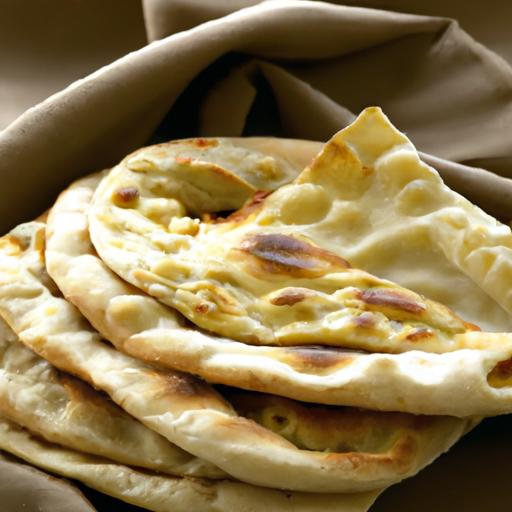

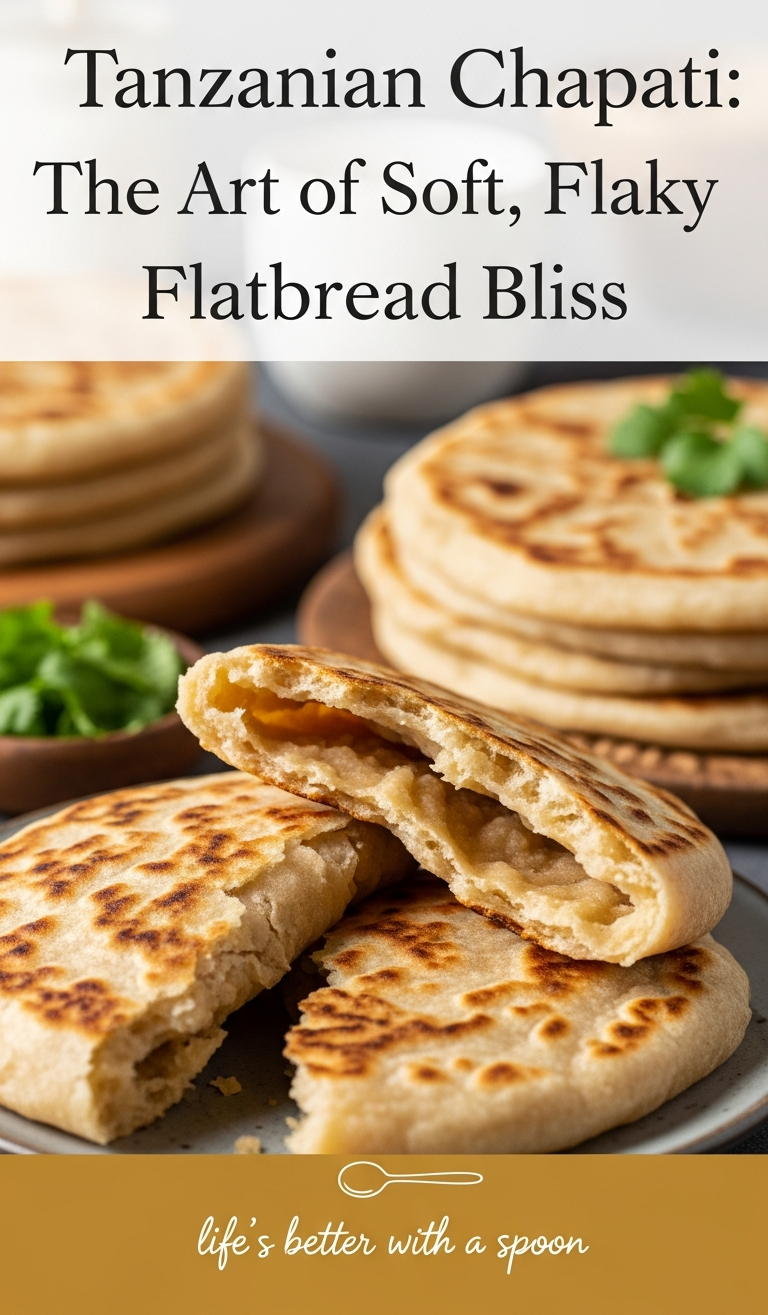
In the bustling kitchens of Tanzania,were spices mingle with stories and every meal is a celebration,chapati reigns supreme as a cherished symbol of comfort and tradition. Unlike its simpler cousins found across continents, Tanzanian chapati is an artful masterpiece-soft, flaky, and irresistibly delicate-that transforms humble ingredients into a tapestry of texture and flavor.This flatbread isn’t just food; it’s a sensory journey, a skill passed down through generations, and a daily ritual that binds families and communities alike. Join us as we unravel the secrets behind the soft, flaky flatbread bliss that is Tanzanian chapati, exploring its history, technique, and the cultural heartbeat that makes it truly unforgettable.
The Origins and Cultural Importance of Tanzanian Chapati
tanzanian Chapati is more than just a beloved flatbread; it is a culinary emblem woven into the daily fabric of Tanzanian life. Rooted in Indian culinary traditions brought by indentured laborers and traders during the colonial era, chapati has been lovingly adapted too the Tanzanian palate. This soft, flaky flatbread has evolved into a household staple, often enjoyed alongside hearty stews, lentils, or simply dipped in a luscious coconut curry. For many Tanzanians, chapati isn’t merely food-it’s a symbol of togetherness, hospitality, and celebration, commonly featured during family gatherings and festive occasions. The tactile artistry of preparing tanzanian Chapati reflects an intimate connection to culture, tradition, and generations of shared stories around the kitchen hearth.
Prep and Cook Time
- Planning Time: 15 minutes
- Resting Time: 30 minutes
- Cooking Time: 20 minutes
- Total Time: 1 hour 5 minutes
Yield
Makes 8 medium-sized chapatis
Difficulty Level
Medium – Requires patience and practice to perfect the softness and flaky texture
Ingredients
- 2 cups all-purpose flour,sifted – provides the perfect tender crumb
- 1 teaspoon salt – enhances flavor without overpowering
- 3 tablespoons vegetable oil or melted ghee – essential for flaky layers
- 3/4 cup warm water – gently brings the dough together
- Additional oil or ghee for cooking and layering during rolling
Instructions
- Mix the dry ingredients: in a large bowl,combine the sifted flour and salt,stirring evenly.
- Create the dough: Drizzle in the vegetable oil or melted ghee, then gradually add the warm water while mixing with your hands or a wooden spoon until a rough dough forms.
- Knead to perfection: Transfer to a lightly floured surface. Knead vigorously for about 8 minutes until the dough is smooth, soft, and elastic. This is key for that tender bite.
- Rest and hydrate: Place the dough back in the bowl and cover it with a damp cloth. Let it rest for at least 30 minutes; this allows gluten strands to relax, making rolling easier and preventing shrinkage.
- Divide and roll: Cut the dough into 8 equal portions,shaping each into a tight ball. Generously oil your work surface and rolling pin. Roll each ball into a thin circle,about 7 inches in diameter.
- Layer with loving folds: Brush the rolled circle lightly with oil or ghee. Fold it into quarters to form a triangle,then gently roll it out again to maintain a flaky texture. This folding technique builds those irresistible layers.
- Cook like a pro: heat a dry skillet over medium-high heat. Place one chapati on the skillet and cook for 1-2 minutes until bubbles begin to form.Flip and cook the other side for another 1-2 minutes, pressing lightly with a spatula to encourage puffing.
- Finish with golden perfection: Optional – brush each cooked chapati lightly with melted ghee for extra shine and softness.Keep warm in a clean kitchen towel until serving.
Tips for Success
- Use warm water: This helps develop a pliable dough that’s easier to roll thin without tearing.
- Rest your dough: Don’t skip resting. Without it, chapatis can be tough and less flaky.
- Master the folding: Oil and fold multiple times to create distinct, delicate layers-this is the secret to traditional Tanzanian Chapati texture.
- Cook at correct heat: Medium-high heat is ideal; too low and your chapati will dry out, too high and it will burn before cooking through.
- Keep them warm: Stack chapatis wrapped in a towel to maintain softness until serving.
- Make ahead tip: Chapati dough can be refrigerated for up to 24 hours. Bring to room temperature before rolling.
Serving Suggestions
Serve chapati warm with rich Tanzanian staples like ugali and sukuma wiki or alongside aromatic coconut curries and spicy meat stews. Garnish with freshly chopped cilantro, a drizzle of ghee, or a side of tangy chutney for an added burst of flavor. this versatile bread also pairs wonderfully with breakfast eggs or as a wrap for grilled meats and vegetables, making each meal an inspiring celebration of flavor and texture.

| Nutrition per Chapati | Amount |
|---|---|
| Calories | 150 kcal |
| Protein | 4 g |
| Carbohydrates | 25 g |
| Fat | 4 g |
For an in-depth dive into similar traditional breads, check out our article on East African Flatbreads. Additionally,discover more about the history of flatbreads on Britannica.
Q&A
Q&A: Tanzanian Chapati – The Art of Soft, Flaky Flatbread Bliss
Q1: What makes Tanzanian chapati different from other flatbreads?
A1: Tanzanian chapati boasts a uniquely tender, flaky texture that sets it apart from other flatbreads. Unlike the denser varieties found elsewhere, Tanzanian chapati is effortlessly soft with delicate, buttery layers that practically melt in your mouth.This luxurious flakiness is a result of a special rolling and folding technique, coupled with skillful pan-cooking, creating a chewy yet tender bite that’s both comforting and indulgent.Q2: What are the essential ingredients in Tanzanian chapati?
A2: The magic of Tanzanian chapati starts with simple, humble ingredients: all-purpose flour, water, a pinch of salt, and oil-often vegetable or sunflower oil. The subtle addition of oil during the dough-making and cooking stages helps produce that coveted flaky texture. no leavening agents like yeast or baking powder are used, keeping the chapati naturally soft yet layered.
Q3: How is the dough for Tanzanian chapati prepared?
A3: The dough preparation is where the art begins. Flour, salt, and water are combined and kneaded into a smooth, elastic dough.This dough rests to relax the gluten, making it easier to roll out. Then, thin layers of oil are brushed on as the dough is rolled and folded multiple times, forming invisible sheets that puff slightly when cooked, creating those signature flaky layers.Q4: What cooking techniques make Tanzanian chapati special?
A4: Tanzanian chapati is cooked on a hot, flat griddle or skillet called a “seke” in Swahili.The dough is rolled thin, folded carefully, and gently pressed into a circle before hitting the hot pan. The chapati cooks quickly on medium-high heat, developing golden brown spots and subtle crisp edges while maintaining a soft interior. Flipping it just right ensures even cooking and that coveted fluffiness.
Q5: How is Tanzanian chapati traditionally served?
A5: chapati is a beloved staple across Tanzania, often accompanying savory dishes like stewed meats, beans, or vegetables. It acts as both utensil and accompaniment-used to scoop up rich,flavorful sauces and gravies. Whether served at a bustling street food stall or a family feast, chapati invites communal dining and shared enjoyment.
Q6: Can chapati be enjoyed beyond Tanzanian cuisine?
A6: Absolutely! tanzanian chapati’s soft,flaky texture pairs beautifully with a wide range of flavors-from Indian curries and Middle Eastern dips to breakfast spreads like eggs and avocado. Its versatility and comforting nature make it a wonderful canvas for culinary creativity across global tables.
Q7: Any tips for mastering the perfect Tanzanian chapati at home?
A7: Patience and practice are key! Allow your dough ample resting time to develop elasticity. Don’t skimp on the oil during the rolling and folding stages-that’s the secret to flakiness. Use a hot, well-seasoned skillet, and flip the chapati gently but confidently.Listen for the gentle sizzle and watch for those golden spots-the sensory cues of chapati bliss in the making.
Dive into the world of Tanzanian chapati and discover how simple ingredients, time-honored technique, and a dash of love yield a soft, flaky flatbread that’s nothing short of edible poetry.
Final Thoughts
In the tapestry of Tanzanian cuisine,chapati holds a cherished place-not merely as a staple,but as a symbol of warmth,tradition,and culinary artistry. Mastering the delicate balance of soft,flaky layers requires patience and a touch of love,resulting in a flatbread that transcends its simplicity to become a true comfort food. Whether enjoyed alongside a hearty stew or savored on its own, Tanzanian chapati invites us to experiance a timeless blend of technique and tradition, each bite a celebration of culture and craft. So next time you break bread, remember: behind every soft, flaky chapati lies a story of heritage and the artful joy of food made with heart.