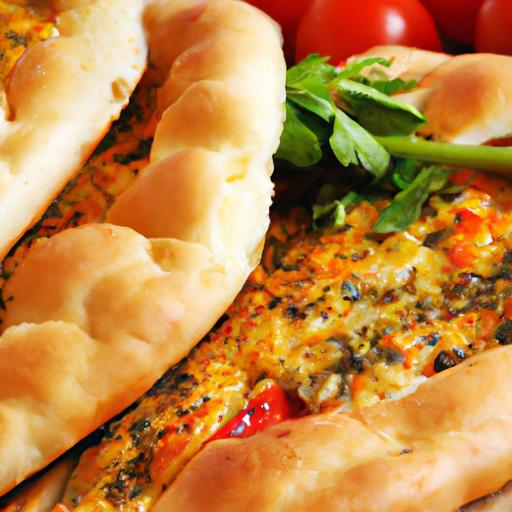

Imagine a culinary masterpiece where golden, crispy edges cradle a treasure trove of savory fillings, each bite a harmonious blend of tradition and taste. Turkish pide, often hailed as the “pizza of Turkey,” is far more than just a flatbread-it’s an art form steeped in centuries of history and regional flair. From the bustling streets of Istanbul to the serene coasts of the Aegean, this beloved stuffed flatbread captures the essence of Turkish hospitality and creativity. Join us as we embark on a flavorful journey to uncover the secrets behind Turkish Pide, exploring its rich origins, diverse varieties, and the skillful techniques that transform simple dough into a deliciously satisfying feast.
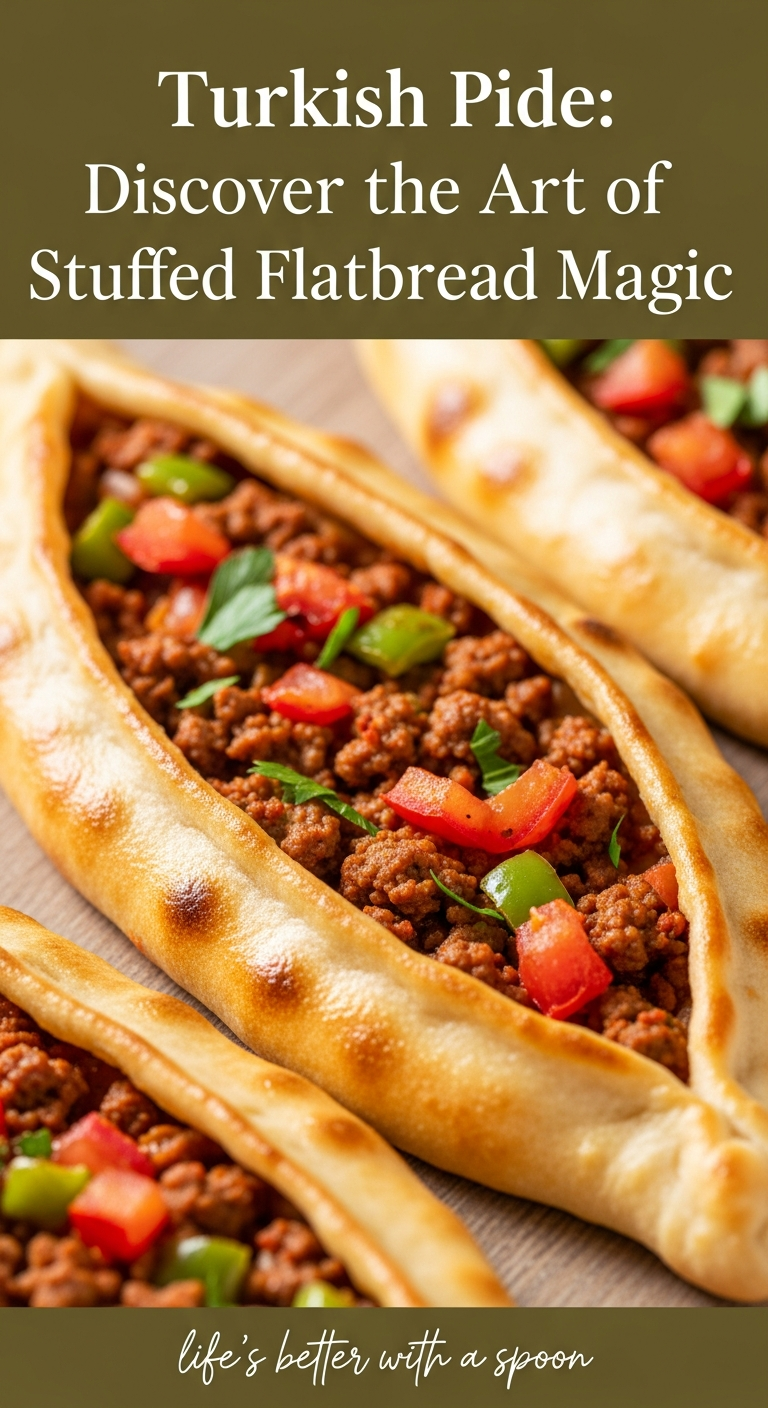
Turkish Pide: Discover the Art of Stuffed Flatbread Magic
Turkish Pide is much more than a savory flatbread-it’s a culinary tradition steeped in history, culture, and the warmth of home kitchens across Turkey. Originating from the Anatolian region, this beloved dish evokes the aroma of fresh dough mingling with rich fillings like spiced lamb, tangy cheese, or garden-fresh vegetables. Every bite tells a story, inviting you to master the dough and filling combinations that give pide its authentic flavor. Whether enjoyed at bustling street markets or prepared in a cozy kitchen, Turkish pide embodies the art of stuffed flatbread magic.
Prep and Cook Time
- Planning: 30 minutes
- dough Rising: 1 to 1.5 hours
- Cooking: 15-20 minutes
- Total: Approximately 2 hours
Yield
Serves 4 hungry guests (makes 4 medium-sized Turkish pide)
Difficulty Level
Medium – Perfect for enthusiasts who want to elevate their bread-baking skills and experiment with fillings.
Ingredients
- For the dough:
- 3 cups all-purpose flour, sifted
- 1 cup warm water (110°F/43°C)
- 1 tsp active dry yeast
- 1 tsp sugar
- 1 tsp fine sea salt
- 2 tbsp olive oil
- For the filling (Classic Ground Beef & Tomato):
- 250g ground beef or lamb (lean)
- 1 medium onion, finely chopped
- 2 cloves garlic, minced
- 1 medium tomato, finely diced
- 1 small green bell pepper, diced
- 1 tbsp tomato paste
- 1 tsp paprika
- ½ tsp cumin
- Salt and pepper, to taste
- 2 tbsp fresh parsley, chopped
- For finishing:
- 1 egg yolk, beaten (for egg wash)
- sesame seeds or nigella seeds (optional)
Instructions
- Activate the yeast: In a small bowl, combine warm water, sugar, and yeast. Stir gently and let it sit for 8-10 minutes until frothy. This indicates the yeast is active and ready.
- Make the dough: In a large mixing bowl, whisk together the flour and salt. create a well in the center and pour in the yeast mixture and olive oil. Mix with a wooden spoon or your hand until a rough dough forms.
- Knead to perfection: Turn the dough onto a lightly floured surface. Knead for about 10 minutes until smooth and elastic. If dough feels sticky, sprinkle a little flour but avoid overdoing it to keep dough tender.
- First rise: Lightly oil a clean bowl, place the dough inside, cover with a damp kitchen towel or plastic wrap, and let it rise in a warm spot for 1-1.5 hours, or until doubled in size.
- Prepare the filling: Simultaneously occurring, heat a tablespoon of olive oil in a skillet over medium heat. Add onions and sauté until translucent, about 5 minutes. stir in garlic and sauté one minute more.
- Cook the meat: Add ground beef or lamb to the skillet. Break it apart with a wooden spoon and cook until browned and cooked thru, about 7 minutes. Drain excess fat if necessary.
- Season and combine: Stir in diced tomato, green pepper, tomato paste, paprika, cumin, salt, and pepper. Simmer the mixture gently for 5 minutes to meld flavors.Remove from heat and fold in fresh parsley. let cool slightly.
- Shape the pide: Punch down the risen dough and divide into 4 equal portions. Roll each portion into an oval shape about 10 inches long and 5 inches wide on a floured surface.
- Fill and fold: Spread the filling evenly along the center of each dough oval. Fold the sides gently and pinch the ends to create the signature boat shape. Brush the edges with beaten egg yolk and sprinkle with sesame or nigella seeds if using.
- Bake: Preheat your oven to 475°F (245°C) and place a baking stone or inverted baking tray inside to heat.Transfer the pide to parchment paper, then slide onto the hot stone/tray. Bake for 12-15 minutes or until the crust is golden and crisp.
- Rest and serve: Remove from oven, let cool 3-5 minutes, then slice and serve warm.
Tips for Success
- Dough mastery: For a lighter crust, use bread flour rather of all-purpose or blend both.
- Filling tweaks: Try adding crumbled feta and spinach for a appetizing vegetarian option.
- Make ahead: Dough can be refrigerated overnight after the first rise; bring to room temperature before shaping.
- Baking heat: A hot oven and baking stone or steel create the ideal crisp bottom crust, simulating a customary stone oven.
- Seal the edges: Pinching edges tight helps trap moisture in the filling and maintains the pide’s signature shape.
Serving Suggestions
serve Turkish pide fresh and warm, garnished with a sprinkle of fresh parsley or thin lemon wedges on the side for brightness. Pair it with a chilled yogurt-based dip like tzatziki or a simple garlic yogurt to balance the rich and savory fillings. A light arugula salad dressed with lemon vinaigrette complements the meal perfectly. For a festive touch, drizzle a bit of melted butter or olive oil infused with red pepper flakes atop before serving.

| Nutrient | Per Serving |
|---|---|
| Calories | 380 kcal |
| Protein | 18 g |
| Carbohydrates | 45 g |
| Fat | 12 g |
For further exploration of authentic regional Turkish bread recipes and tips, check out the detailed guide on SBS Food’s Turkish Bread Guide.
Q&A
Q&A: Turkish Pide – Discover the Art of Stuffed Flatbread Magic
Q1: What exactly is Turkish Pide?
A1: Imagine a boat-shaped, golden-brown flatbread, warm from the oven, cradling a vibrant treasure of cheese, meats, vegetables, and spices-this is Turkish Pide. Often called the “Turkish pizza,” it’s a beloved staple that combines rustic simplicity with rich, hearty flavors. Each pide is a delicious canvas showcasing Turkey’s culinary heritage.
Q2: How did Turkish Pide become a cultural icon?
A2: Turkish Pide’s roots run deep, dating back centuries to the Anatolian heartland. Traditionally baked in wood-fired ovens, it was a practical, soulful meal for tradesmen and families alike. Over time,its irresistible taste and versatility elevated it to a cherished national dish,symbolizing comfort and communal dining.
Q3: What makes Turkish Pide different from pizza?
A3: While they share a love for bread and toppings, Turkish Pide boasts a distinctive shape and texture. Its dough is softer yet sturdier, folded elegantly into a boat-like form that keeps the fillings snug. The toppings tend to be bolder, blending local spices and ingredients like sucuk (spicy sausage), beyaz peynir (white cheese), and fresh herbs, offering a flavor profile uniquely turkish.Q4: What are the must-try varieties of Pide?
A4: The options are mouthwatering:
- Kıymalı Pide: Ground beef mixed with onions and spices, a savory classic.
- Kaşarlı Pide: Simply topped with turkish kasar cheese, perfect for cheese lovers.
- Karışık Pide: A mix of meats, cheeses, and vegetables, ideal for indecisive palates.
- egg-topped Pide: A sunny egg baked right on top, adding richness and visual appeal.
Each bite tells a story of regional ingredients and family recipes passed down through generations.
Q5: Can I make turkish Pide at home?
A5: Absolutely! While the authentic experience shines in a wood-fired oven, home bakers can recreate the magic using a hot oven and a good dough recipe. The trick lies in balancing the dough’s softness with enough resiliency to hold those delicious fillings. Experiment with your favorite toppings, and you’ll soon have a homemade Pide feast bursting with flavor.
Q6: Why is Turkish Pide more than just food?
A6: Pide is a celebration of culture, community, and creativity. It’s often enjoyed during special occasions like Ramadan or family gatherings, fostering connection around the table. Beyond its taste, Pide represents a bridge between history, place, and people-a true edible art form that invites sharing and storytelling.
Dive into the world of turkish Pide and unlock the secrets of this stuffed flatbread magic-a timeless culinary treasure that invites you to savor tradition one slice at a time.
To Wrap It Up
As the warm aroma of freshly baked Turkish pide lingers in your creativity, it’s clear that this humble stuffed flatbread is much more than just a meal-it’s a vibrant testament to centuries of culinary artistry. From the skillful folding of dough to the harmonious blend of flavors tucked inside, pide invites us to savor tradition with every bite. whether enjoyed in a bustling Istanbul eatery or crafted in your own kitchen, this magical flatbread continues to captivate palates and hearts alike. So, next time hunger strikes, let Turkish pide be your delicious passport to a world where history and flavor intertwine in perfect harmony.