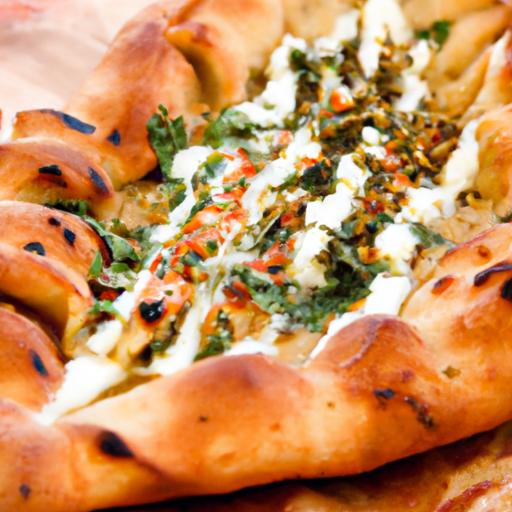

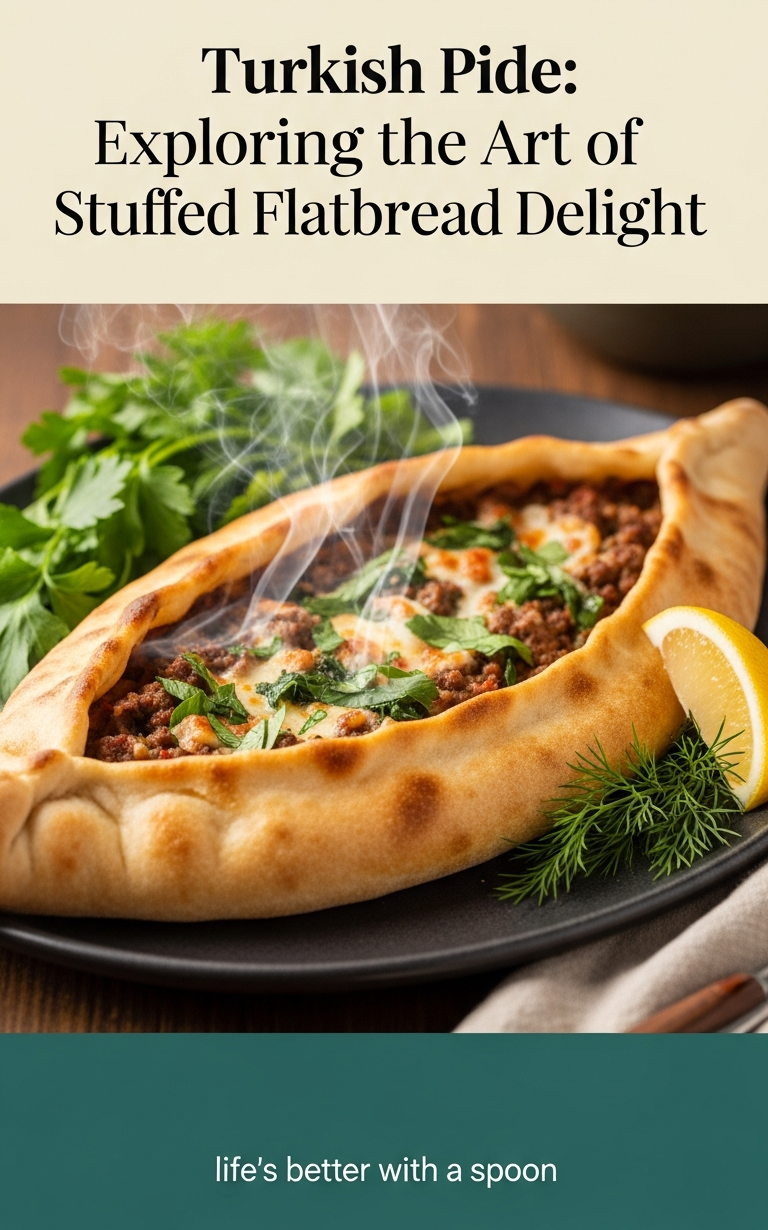
In the vibrant tapestry of Turkish cuisine, few dishes capture the heart and soul of tradition quite like pide-the artful stuffed flatbread that has delighted generations. Often dubbed the “Turkish pizza,” pide is far more than just a meal; it is a culinary canvas where fragrant spices, fresh ingredients, and skilled hands converge to create a warm, inviting experience.from its perfectly blistered crust to its savory fillings of spiced meats, cheeses, and vegetables, Turkish pide offers a flavorful journey into the flavors and stories that define a rich cultural heritage. Join us as we explore the history, techniques, and irresistible allure behind this beloved Turkish flatbread, uncovering the magic baked into every golden slice.
Turkish Pide, a beloved staple of Anatolian cuisine, weaves a rich tapestry of history and flavor with every bite.Originating from the rustic ovens of Turkey’s diverse regions,this stuffed flatbread has transcended generations as both a festive feast and everyday comfort. The magic lies in its perfect harmony of a tender yet crispy dough, paired with vibrant fillings ranging from savory minced lamb to fresh herbs and melted cheeses. Growing up with the scent of fresh pide wafting through the air, I remember how each region’s unique approach – from the spice-laden toppings of Gaziantep to the rich cheeses of Karadeniz – made this humble bread an unforgettable adventure in taste.
Prep and Cook Time
- Planning: 30 minutes
- Rising Time: 1 hour
- Cooking Time: 15 minutes
- Total Time: 1 hour 45 minutes
Yield
Serves 4 generous portions
Difficulty Level
Medium – Perfect for baking enthusiasts ready to master traditional dough techniques and flavorful fillings
Ingredients
- 2 ½ cups all-purpose flour, sifted
- 1 cup warm water (110°F/43°C)
- 2 tsp active dry yeast
- 1 tsp sugar
- 1 tsp salt
- 2 tbsp olive oil, plus extra for brushing
- 200g ground lamb or beef (optional for meat version)
- 1 small onion, finely chopped
- 1 medium tomato, diced
- ½ cup crumbled beyaz peynir (turkish white cheese) or feta
- ½ cup fresh parsley, chopped
- 1 egg, beaten (for brushing)
- 1 tsp paprika
- ½ tsp black pepper
- Salt to taste
Instructions
- Activate the yeast: In a small bowl, combine warm water, sugar, and yeast. Stir gently and let sit for 10 minutes until frothy to ensure your dough rises perfectly.
- Prepare the dough: In a large bowl, mix the sifted flour and salt. Gradually add the yeast mixture and olive oil, stirring with a wooden spoon until a shaggy dough forms.
- Knead the dough: Transfer to a floured surface and knead for 8-10 minutes until smooth and elastic. Form into a ball, place it in an oiled bowl, cover with a damp cloth, and let rise in a warm spot for 1 hour or until doubled in size.
- Prepare the filling: while the dough rises, heat a tablespoon of olive oil in a skillet over medium heat. Add the chopped onion and sauté until translucent, about 5 minutes. Add ground meat (if using), paprika, black pepper, and salt. Cook until browned and crumbly, about 7 minutes. remove from heat and mix in diced tomatoes, parsley, and crumbled beyaz peynir.
- Shape the pide: Preheat the oven to 475°F (245°C) and place a baking stone or inverted baking tray inside. Punch down the dough and divide it into 4 equal balls. On a lightly floured surface, roll each ball into an oval about 10 inches long and 6 inches wide.
- Fill and seal: Spoon the filling into the center of each oval, leaving a 1-inch border. Fold the edges up and pinch the ends inward to create a boat shape, exposing the filling. Brush the dough edges with beaten egg for a glorious golden crust.
- Bake: Carefully transfer each pide to the hot baking surface and bake for 12-15 minutes or until the crust is browned and crispy and the filling is bubbling.
- Cool and serve: Remove from oven, let cool slightly, and garnish with fresh parsley or a squeeze of lemon for added zest.
Chef’s Tips for Crafting Authentic Stuffed Flatbread at Home
- Dough mastery: Ensure your water is warm but not hot to activate yeast effectively – too hot can kill it, resulting in a dense pide.
- Regional variations: Swap the lamb for ground beef or go vegetarian with spinach and feta, or use pastırma and eggs for a Black Sea inspired twist.
- Even baking: Use a preheated baking stone or steel for that characteristic crispness and golden underside which is signature to Turkish pide.
- Rest your dough: If time allows, refrigerate the dough overnight for deeper flavor and easier handling.
- Cheese substitution: If beyaz peynir isn’t available, feta or even a mix of mozzarella with tangy goat cheese offers a delightful texture and taste.
- Make ahead: Prepare the filling a day in advance for richer, melded flavors.
Serving Suggestions
Present your Turkish Pide hot, sliced into rustic boat-shaped pieces. A side of cacık (Turkish yogurt cucumber dip) or fresh radish and arugula salad provides refreshing contrast. Drizzle with lemon juice or a sprinkle of sumac and sumac onion salad for vibrant acidity. Enjoy with a warming cup of Turkish tea to embrace the full cultural experience.

Nutritional Information per Serving
| Nutrient | Amount |
|---|---|
| calories | 350 kcal |
| Protein | 18 g |
| Carbohydrates | 38 g |
| Fat | 12 g |
For a deeper dive into savory Turkish pastries, explore our Lahmacun: The Turkish Pizza Guide.
Learn more about the engaging cultural heritage of Turkish bread-making at Britannica: turkish Cuisine.
Q&A
Q&A: Turkish Pide – Exploring the Art of Stuffed Flatbread Delight
Q1: What exactly is Turkish pide?
A: Turkish pide is a beloved traditional flatbread from Turkey, often described as a boat-shaped pizza filled with a variety of savory ingredients. Made from a soft, slightly chewy dough, its baked to perfection with toppings ranging from minced meats and cheeses to fresh vegetables and herbs. It’s a culinary canvas of anatolian flavors wrapped in golden dough.
Q2: How did pide originate, and what makes it unique?
A: Pide’s roots trace back centuries in the Anatolian region, where nomadic cultures prized portable, hearty food. what sets pide apart is its distinctive shape and the artful balance of toppings. Unlike pizza, pide dough is traditionally hand-shaped into an elongated oval, edges pinched up to cradle the fillings. This combination preserves moisture and flavor, creating a delightful textural contrast.
Q3: What are the most popular types of Turkish pide?
A: The varieties are as rich as Turkey’s landscapes! Some of the favorites include:
- Kiymali pide: filled with spiced ground lamb or beef, onions, and tomatoes.
- Peynirli pide: Loaded with a mix of Turkish cheeses like kasar and beyaz peynir.
- Sucuklu pide: Featuring spicy Turkish sausage, sucuk, for a bold, smoky taste.
- Egg-topped pide: Often paired with other fillings, the cracked egg adds a luscious finish.
Q4: How is Turkish pide traditionally prepared?
A: Crafting pide is an art form. It starts with hand-kneaded dough that’s rested to develop gluten and softness. Spread into an oval, the edges are folded and pinched up to cradle the fillings. Once loaded, pide is traditionally baked in a stone or wood-fired oven, giving it that irresistible smoky aroma and crispy crust. The baking process is swift but crucial to maintain moist toppings and fluffy bread.
Q5: Can pide be considered healthy or is it more of an indulgence?
A: Like many traditional dishes, pide strikes a balance. The base dough provides carbohydrates, while the fillings add protein, fats, and micronutrients. When loaded with fresh vegetables, lean meats, and minimal oil, pide can be a satisfying, wholesome meal. However, indulgences like extra cheese or fatty sausages tip it toward a richer experience best savored occasionally.
Q6: How is pide typically enjoyed in Turkey?
A: Pide is a social food,emblematic of shared meals and lively gatherings.Often enjoyed hot from the oven,it’s sliced and served alongside fresh salads,yogurt-based dips like cacik,or pickled vegetables.It shines in family dinners, street food stalls, or festive occasions – a communal delight that brings people together over rustic, comforting bites.
Q7: Are there regional variations of pide across Turkey?
A: Absolutely! From the Black Sea coast to the Mediterranean shores, pide adapts to local palates. In the northern regions, seafood toppings sometimes make an appearance. Southeastern Turkey favors spicier fillings with regional spices. Each variation honors local ingredients while maintaining the classic pide spirit-dough embracing vibrant, hearty flavors.
Q8: How can someone outside Turkey experience authentic pide?
A: While Turkish restaurants around the world frequently enough offer pide, the freshest experience comes from bakeries or eateries that use traditional methods-stone ovens and hand-shaped dough. For adventurous cooks, attempting pide at home is rewarding: mastering the dough, experimenting with fillings, and embracing the communal joy of sharing. Online recipes and video tutorials make this ancient art more accessible than ever.
Q9: What cultural importance does pide hold in Turkish cuisine?
A: More than just food, pide symbolizes hospitality and tradition in Turkey.It’s a celebration of local ingredients, craftsmanship, and communal harmony. Often associated with Ramadan dinners or festive occasions, pide embodies warmth-the comfort of home and the joy of gathering around the table with loved ones.
Q10: What’s the best way to savor pide to fully appreciate its flavors?
A: To truly appreciate pide, enjoy it fresh and hot, ideally straight from the oven.Pair it with a simple ayran (a tangy yogurt drink) or Turkish tea to balance flavors.take a bite savoring the contrast between the crisp edges and the soft, flavorful filling. Sharing pide, slicing it together, elevates the experience-transforming a simple flatbread into a feast of tradition, flavor, and community.
In Summary
As the warm aroma of freshly baked Turkish pide wafts through the air,it invites us to savor more than just a meal-it offers a glimpse into a rich culinary tradition steeped in history and heartfelt craftsmanship. From its humble dough to the vibrant symphony of fillings, each slice tells a story of cultural harmony and artisanal passion. Whether enjoyed in a bustling Istanbul bakery or recreated in your own kitchen, Turkish pide remains a timeless delight that continues to inspire and connect people across tables and continents. So next time you crave something both comforting and captivating, let pide guide your palate on a flavorful journey through the art of stuffed flatbread perfection.