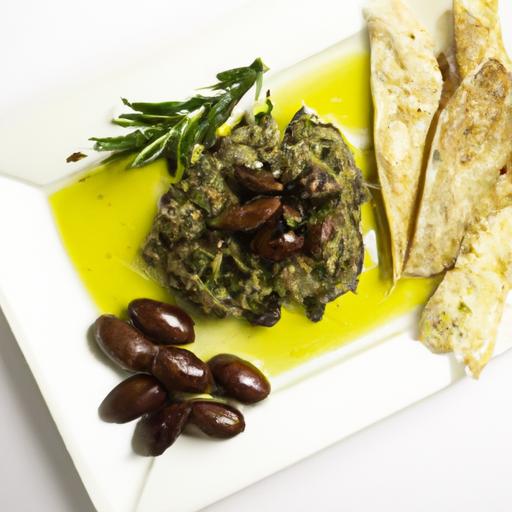

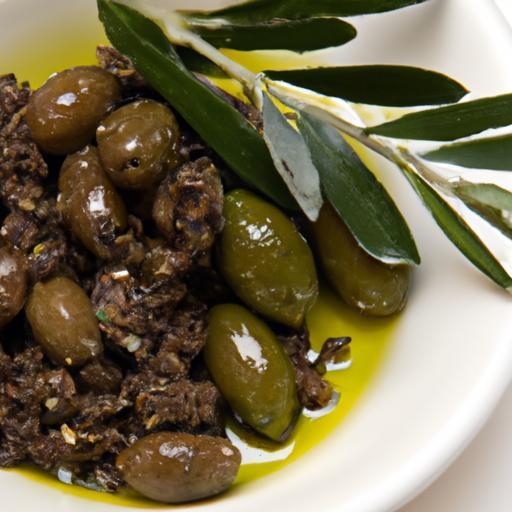
In the sun-drenched groves of the Mediterranean, where ancient olive trees have stood for centuries, a culinary treasure quietly awaits discovery: authentic Greek olive tapenade. This vibrant spread, bursting with the rich, peppery essence of locally harvested olives, is far more than a simple appetizer-it is indeed a flavorful journey into Greece’s timeless traditions and sun-soaked landscapes. unlocking the secret of this beloved delicacy reveals a harmonious blend of history, culture, and nature, inviting food lovers everywhere to savor the essence of the Aegean in every bite. join us as we delve into the origins, ingredients, and techniques that transform humble olives into the irresistible magic of authentic Greek olive tapenade.
Unlocking flavor reveals the secret soul of an authentic Greek olive tapenade, a vibrant Mediterranean spread that harmonizes rich, briny olives with fragrant herbs and quality olive oil. Rooted deep in Greece’s culinary tradition, this tapenade captures the diverse olive varieties that make each bite distinct – from the buttery Kalamata to the robust Halkidiki – delivering a symphony of textures and tastes unlike any other.Let’s dive into mastering this exquisite recipe, balancing traditional ingredients for an irresistibly genuine experience that invites you to savor Greece’s sun-kissed coastal flavors in every spoonful.
Prep and Cook time
Preparation: 10 minutes | Cooking: 0 minutes | Total time: 10 minutes
Yield
Serves 6 as an appetizer or snack
Difficulty Level
Easy - Perfect for beginners seeking authentic Mediterranean flavors
Ingredients
- 1 cup Kalamata olives, pitted (for a deep, fruity flavor)
- ½ cup Halkidiki olives, pitted (adds a crisp, buttery balance)
- 2 tablespoons capers, rinsed (to enhance briny notes)
- 2 cloves garlic, finely minced
- 2 tablespoons fresh lemon juice (brightens the tapenade beautifully)
- 3 tablespoons extra virgin olive oil (premium Greek olive oil recommended)
- 1 teaspoon dried oregano or 1 tablespoon fresh oregano, finely chopped
- Freshly ground black pepper, to taste
- Optional: 1 teaspoon red wine vinegar for extra tang
Instructions
- Prepare your olives. Rinse the Kalamata and Halkidiki olives under cold water to remove excess saltiness, then thoroughly pat dry. This ensures the tapenade isn’t overpoweringly salty.
- Combine the base ingredients. In a food processor, add the olives, capers, minced garlic, oregano, and lemon juice. Pulse in short bursts to break down the mixture but retain a slightly chunky texture – aim for a rustic, spreadable consistency.
- Slowly drizzle the olive oil. With the processor running on low, slowly pour in the extra virgin olive oil to emulsify the tapenade, creating a luscious, silky texture. Stop once fully incorporated, avoiding over-processing which can lead to a paste-like texture.
- Adjust seasoning. Taste your tapenade and add freshly cracked black pepper and, if desired, the red wine vinegar to balance brightness and acidity. Blend briefly again to combine the new elements evenly.
- Rest and meld flavors. Transfer the tapenade to a serving bowl, cover tightly with plastic wrap, and refrigerate for at least 30 minutes. This resting period allows the vibrant Mediterranean flavors to marry harmoniously.
- Final presentation. Before serving, give the tapenade a gentle stir, then garnish with a sprig of fresh oregano or a drizzle of extra olive oil to enhance aroma and visual appeal.
Tips for Success
- Olive variety matters: The combination of Kalamata and Halkidiki olives is traditional, but you can experiment with green Chondrolia for a fresher, less intense tapenade.
- Avoid bitterness: Removing pits and washing capers helps prevent excess salt and bitterness, ensuring a smooth, pleasant taste.
- Texture preferences: Pulse fewer times for chunkier tapenade; process longer for a finer spread.
- Make ahead: This tapenade improves in flavor overnight and can be stored in an airtight container in the fridge for up to 4 days.
- Vegan & gluten-free: Naturally free from animal products and gluten,making it extremely versatile for various diets.
Serving Suggestions
This greek olive tapenade shines as a vibrant centerpiece for Mediterranean platters. Spread generously atop warm, toasted pita slices or crunchy baguette rounds. use it as a zesty condiment alongside grilled lamb skewers, roasted vegetables, or simply dolloped over creamy hummus. For an elevated brunch, pair with sliced fresh tomatoes and crumbled feta, garnished with a sprinkle of toasted pine nuts or fresh herbs like parsley or basil for color contrast and flavor depth.
| Nutrient | Per Serving |
|---|---|
| Calories | 140 kcal |
| Protein | 1.0 g |
| Carbohydrates | 4.5 g |
| Fat | 13 g |

Explore more mediterranean flavors by visiting our Mediterranean recipes archive. For a deeper dive into the health benefits and history of Greek olives, check out The International Olive Council.
Q&A
Q&A: Unlocking Flavor – The Secret of Authentic Greek Olive Tapenade
Q1: What exactly is Greek olive tapenade?
A1: Greek olive tapenade is a luscious, savory spread made predominantly from finely chopped or crushed olives, often combined with capers, garlic, herbs, and a glug of quality olive oil. Unlike some Mediterranean cousins, the Greek version is bold and vibrant, capturing the essence of sun-drenched groves and coastal breezes in every bite.Q2: How does authentic Greek tapenade differ from other Mediterranean versions?
A2: While tapenade originated in Provence, french-style tapenade frequently enough highlights black olives with anchovies and a sharper garlic punch. Greek olive tapenade, conversely, celebrates the rich varieties of native olives-like Kalamata-and embraces a balance of briny, fruity, and herbal notes without overpowering anchovies. It’s the harmony of local ingredients that sets it apart.
Q3: What varieties of olives are essential for an authentic Greek tapenade?
A3: The star of the show is usually Kalamata olives, prized for their deep purple color, meaty texture, and fruity tang. Some recipes might blend in Halkidiki olives-green and mild-to add brightness. using high-quality, naturally cured olives is non-negotiable if you want that unmistakable Greek character.
Q4: Is there a secret ingredient that makes Greek tapenade truly authentic?
A4: Yes-capers harvested from the Mediterranean shores are frequently enough the secret weapon. Their sharp, saline kick adds that delightful contrast to the rich olives. additionally, a splash of freshly squeezed lemon juice and aromatic oregano or thyme can elevate the flavors, evoking a genuine Greek landscape in your mouth.
Q5: Can olive oil quality impact the final flavor of the tapenade?
A5: Absolutely! Extra virgin olive oil, ideally Greek and cold-pressed, is the backbone that ties all ingredients together. It imparts fruity, grassy notes and smooths out the briny intensity, making the tapenade luscious and spreadable-not oily or harsh.
Q6: How is Greek olive tapenade traditionally served?
A6: Traditionally, it’s served as a mezze-part of a vibrant spread of small dishes. Slather it on crusty bread, dollop it over grilled fish or roasted vegetables, or use it as a punchy sauce in sandwiches. Its versatility reflects the communal, convivial spirit of Greek dining.
Q7: Any tips for making your own authentic Greek olive tapenade at home?
A7: Definitely! Start with pitting your olives to avoid bitterness, and pulse them gently rather than blitzing into a paste; you want texture, not uniformity. Use fresh garlic sparingly to avoid overpowering the delicate balance. Lastly, let the tapenade rest for at least an hour-it allows the flavors to marry beautifully.
Q8: Why has Greek olive tapenade become so popular worldwide?
A8: In a world craving authentic, natural flavors, Greek olive tapenade offers a perfect marriage of tradition and taste. It’s a humble dish that tells a rich story of the Mediterranean sun, soil, and sea. Plus,it’s incredibly adaptable-suiting everything from elegant appetizers to casual snacks,making it a culinary ambassador for Greek flavor everywhere.
Unlocking the secret of authentic Greek olive tapenade means embracing the soul of Greece in a jar-a delicious invitation to savor history, culture, and the Mediterranean lifestyle all at once.
Key Takeaways
As we close this flavorful journey into the heart of authentic Greek olive tapenade, it’s clear that this humble spread is much more than just a condiment-it’s a vibrant tapestry of history, culture, and tradition. Unlocking its secret means appreciating the harmony of quality olives, fragrant herbs, and the artisanal touch passed down through generations. whether dolloped on crusty bread, stirred into pasta, or paired with fresh vegetables, Greek olive tapenade invites you to savor a taste that’s as rich in heritage as it is in flavor. So next time you reach for a jar, remember: you’re not just enjoying a spread-you’re partaking in a timeless culinary story rooted in the sun-soaked groves of Greece.