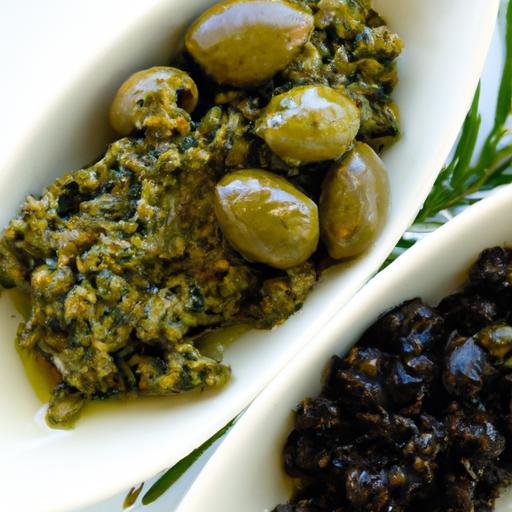

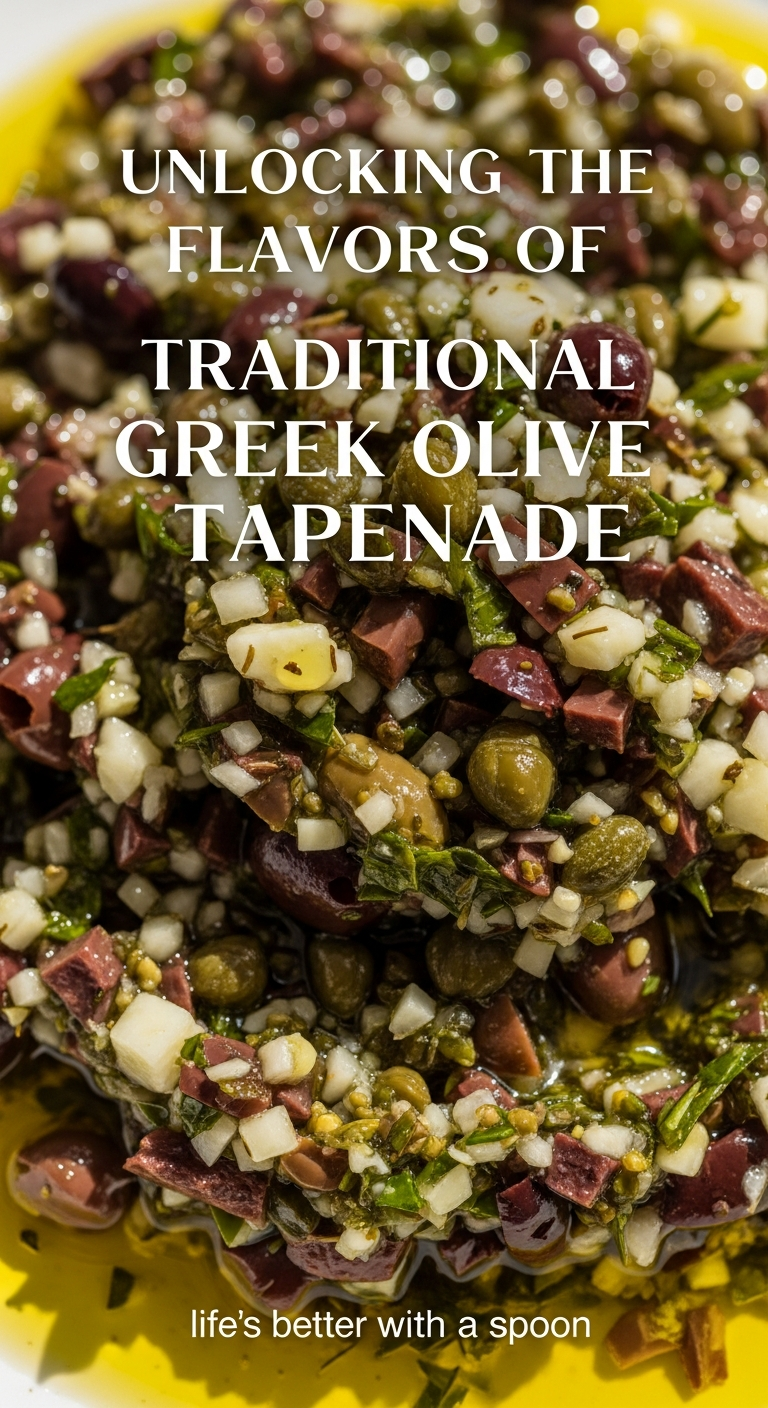
Nestled within the sun-drenched groves of the Mediterranean, Greek olives have been cherished for centuries, their rich flavors weaving into the very fabric of the region’s culinary heritage. among the many treasures born from these humble fruits is the traditional Greek olive tapenade-a vibrant, savory spread that captures the essence of coastal orchards and ancient recipes. Unlocking the flavors of this timeless delicacy offers a delicious journey through history, culture, and the art of simple, bold ingredients melded to perfection. Join us as we explore the origins, secrets, and irresistible taste of Greek olive tapenade, inviting your palate to experience the authentic spirit of Greece in every bite.
Unlocking the flavors of traditional Greek olive tapenade reveals a rich culinary heritage rooted deeply in the Mediterranean’s sun-drenched groves and coastal kitchens. This vibrant spread, renowned for its balance of briny, earthy, and herbal notes, is more then just a dip – it’s a story of ancient olive cultivation, festive gatherings, and timeless simplicity that makes every bite a celebration of Greek culture.
Prep and Cook Time
- preparation: 10 minutes
- Cooking: 0 minutes (no cooking required)
- Total Time: 10 minutes
Yield
Approximately 1 cup (serves 6-8 as an appetizer)
Difficulty Level
Easy: Perfect for cooks of all levels, whether you’re a seasoned pro or a passionate beginner eager to explore authentic Greek flavors.
Ingredients
- 1 cup Kalamata olives, pitted and rinsed
- 1/4 cup green olives, pitted for contrast and brightness
- 2 tablespoons capers, drained
- 2 cloves garlic, minced
- 2 tablespoons fresh lemon juice (about half a lemon)
- 1/4 cup extra virgin olive oil, Greek if possible for authenticity
- 1 tablespoon fresh oregano, finely chopped (or 1 teaspoon dried oregano)
- 1 teaspoon fresh thyme, chopped (optional but adds depth)
- Freshly ground black pepper, to taste
Instructions
- Prepare the olives: Begin by rinsing the pitted Kalamata and green olives under cold water to remove excess saltiness.Pat dry with paper towels to avoid excess moisture.
- Combine the base ingredients: In a food processor or a sturdy mortar and pestle, add the olives, capers, garlic, fresh oregano, and thyme. Pulse gently until coarsely chopped but not pureed – you want your tapenade to retain a slightly chunky texture for a rustic feel.
- Incorporate the liquid elements: Transfer the chopped mixture to a bowl. stir in the fresh lemon juice and gradually whisk in the extra virgin olive oil until the tapenade reaches a luscious, spreadable consistency. Add more oil if necessary.
- Season thoughtfully: Add freshly ground black pepper to taste. Taste and adjust lemon juice or olive oil to balance acidity and richness.
- Rest and meld the flavors: For the fullest experience, cover and refrigerate your tapenade for at least 30 minutes to allow flavors to deepen and harmonize – though it’s delicious immediately if you’re eager to dive in.
Tips for Success
- Choosing the right olive varieties is key. Kalamata olives provide a deeply savory, slightly fruity backbone, while green olives add vibrant tang and brightness.Avoid overly processed or canned olives, which can taste flat.
- Use a mortar and pestle for a more traditional texture that preserves olive integrity and releases essential oils gradually, enhancing aroma.
- For a nutty twist, add a tablespoon of crushed walnuts or almonds, a nod to variations found in regions surrounding greece.
- This tapenade can be made ahead and improves in flavor after a day in the fridge. Store in an airtight container and drizzle with olive oil before serving.
- pair fresh garlic amounts to your preference; start gently if you want a milder hint that doesn’t overpower the olives.
Serving Suggestions to elevate Your Tapenade Experience
Serve your Greek olive tapenade chilled or at room temperature as a versatile appetizer that shines with warm,toasted pita wedges,crusty sourdough slices,or crispy crostini. Garnish with a sprig of fresh oregano or thyme for a burst of color and fragrance that mirrors the Mediterranean coast.
It also pairs beautifully with slices of fresh cucumber or crunchy bell peppers for a lighter bite, and serves as a divine topping for grilled fish or rustic roasted vegetables - bringing an instant touch of Greek summer to any plate.

| Nutrient | Per Serving (2 tbsp) |
|---|---|
| Calories | 90 kcal |
| Protein | 1 g |
| Carbohydrates | 2 g |
| Fat | 8 g |
For deeper insights into the Mediterranean diet and the health benefits of olives, visit the Mediterranean Food Alliance.
Discover more about greek culinary traditions and flavors in our Greek Meze Classics article to continue your flavorful journey.
Q&A
Q&A: Unlocking the Flavors of Traditional Greek Olive Tapenade
Q1: What exactly is Greek olive tapenade?
A1: Greek olive tapenade is a luscious, savory spread made primarily from Kalamata olives, brimming with Mediterranean sunshine and bursting with earthy, tangy, and slightly salty notes. Unlike its French cousin, Greek tapenade often incorporates unique local ingredients like capers, garlic, fresh herbs, and sometimes a splash of lemon or olive oil, creating a vibrant taste that transports you straight to the olive groves of Greece.
Q2: How does Greek olive tapenade differ from other olive spreads?
A2: While tapenade originated in Provence, France, the Greek version is distinguished by its use of Kalamata olives-deep purple, plump, and robust-combined with the Mediterranean bounty of fresh oregano, dill, or thyme. Greek tapenade tends to be more rustic and less paste-like, frequently enough chunkier, allowing each bite to showcase layers of flavor and texture. It’s less about intense olives-only punch and more about balanced harmony with herbs and zest.
Q3: What makes Kalamata olives special in this recipe?
A3: Kalamata olives are the star of the show. Their rich, fruity flavor with hints of wine and a satisfying meaty texture provide the foundation for the tapenade’s deep, authentic taste. Their natural brininess complements the sharpness of capers and brightness of lemon, making them indispensable for unlocking true Greek olive tapenade magic.
Q4: Can you share a simple way to prepare traditional Greek olive tapenade at home?
A4: Absolutely! Start with about 1 cup of pitted Kalamata olives, a tablespoon of capers, 1-2 cloves of garlic, a handful of fresh herbs like oregano and parsley, a splash of good-quality extra virgin olive oil, and a squeeze of lemon juice. Pulse them gently in a food processor just until coarse-don’t overblend! Drizzle in olive oil until creamy but still chunky. Taste and adjust seasoning with salt, pepper, or more lemon as you like. Serve with crusty bread or fresh vegetables.
Q5: What dishes pair well with Greek olive tapenade?
A5: The possibilities are endless! Spread it on toasted rustic bread for a crowd-pleasing appetizer, dollop it over grilled fish or chicken to add a luminous, briny kick, or swirl it into pasta and roasted vegetables for an instant flavor upgrade. it also shines as a dip for warm pita or as part of a Mediterranean mezze platter alongside cheeses, nuts, and fresh veggies.
Q6: Are there any traditional Greek variations of olive tapenade?
A6: Definately! Some traditional variations include adding sun-dried tomatoes for a sweet tang, incorporating red onion finely minced for a slight bite, or mixing in roasted red peppers for smoky depth. In some regions, locals might blend in a bit of feta cheese to add creaminess and a salty punch. Each village or family might have their own special twist, making every jar of homemade tapenade a unique story.
Q7: why is olive tapenade so integral to Greek cuisine?
A7: Olive tapenade isn’t just a spread-it’s a celebration of Greece’s ancient relationship with olives, which have been cultivated for millennia and are central to Greek culture and diet. This humble concoction captures the essence of the Mediterranean: simplicity, fresh ingredients, and bold, honest flavors. It embodies the Greek way of enjoying food-sharing, savoring, and connecting with heritage through taste.
Q8: How can I keep my homemade tapenade fresh and flavorful?
A8: Store your tapenade in an airtight container in the refrigerator,topping it with a thin layer of olive oil to seal in freshness and prevent oxidation. it’s best enjoyed within a week, offering vibrant flavor and perfect texture. Before serving, let it come to room temperature to unlock its full aromatic glory.
Unlocking the flavors of traditional Greek olive tapenade means embracing the simplicity and richness of Mediterranean ingredients. Each spoonful tells a story of sun-soaked groves, ancient traditions, and a timeless love for wholesome, delicious food. Ready to dip in?
in Retrospect
as the rich,sun-soaked flavors of traditional Greek olive tapenade linger on your palate,you begin to understand why this ancient spread has transcended time and borders. More than just a simple condiment, it is indeed a vibrant celebration of Greece’s bountiful olive groves, a fragrant mosaic of briny olives, tangy capers, and aromatic herbs that tell stories of generations past. by unlocking the secrets of this classic recipe, you don’t just bring a taste of the Mediterranean to your table-you invite a piece of Greek culture and history into your kitchen. So whether spread on warm bread, paired with fresh vegetables, or used as a zesty marinade, olive tapenade is more than a flavor; it’s an experience waiting to be savored. Embrace it, share it, and let your culinary journey through Greece begin.